
Ferdinand I of Bulgaria
Ruler of Bulgaria from 1887 to 1918, proclaimed himself Tsar in 1908, led the country through the Balkan Wars and World War I, and spent his final decades in exile in Germany.
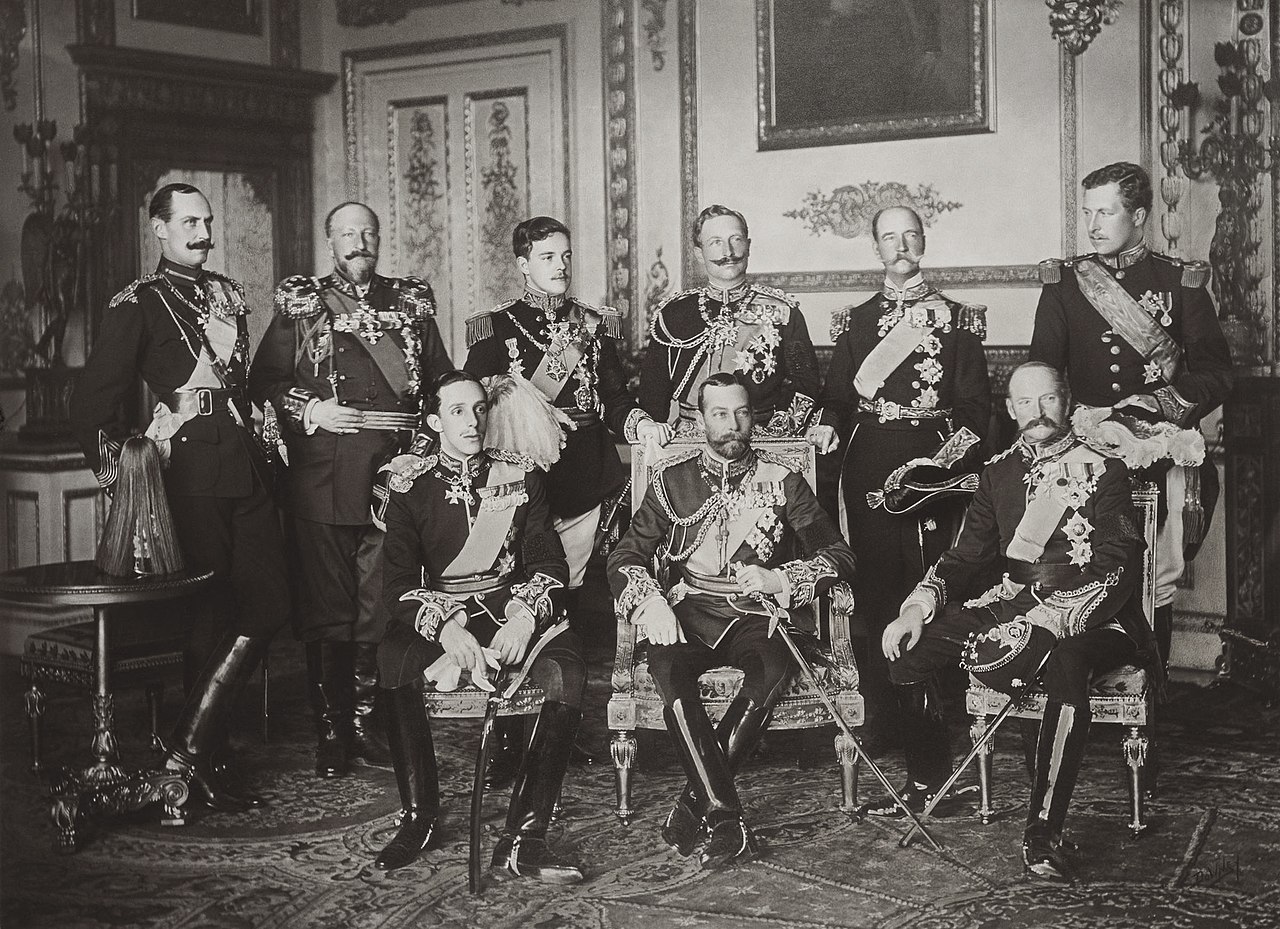
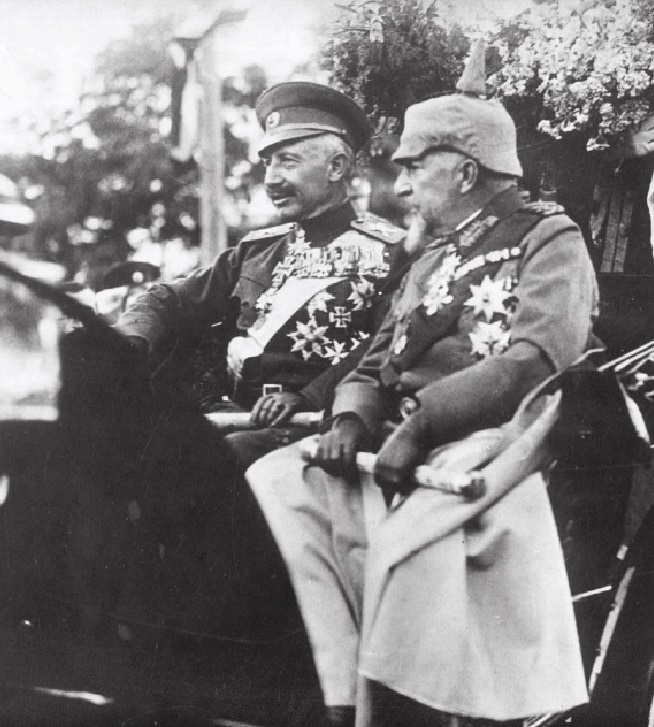
Ferdinand I (born 26 February 1861 in Vienna; died 10 September 1948 in Coburg) was a member of the Saxe-Coburg and Gotha-Koháry dynasty who became the ruler of Bulgaria. Chosen as prince in 1887, he governed Bulgaria during a period of rapid political change, modernization and national ambition. In 1908 he assumed the title "Tsar" after Bulgaria broke the remaining formal ties with the Ottoman Empire. His reign encompassed territorial wars in the Balkans and the decision to align Bulgaria with the Central Powers during World War I.
Image gallery
10 Images





Rule and domestic policy
As prince and later tsar, Ferdinand presided over efforts to build state institutions, modernize the army and develop economic infrastructure. His government encouraged railway construction, supported educational and cultural institutions and sought recognition of Bulgaria's full sovereignty from the European powers. His foreign and domestic choices were shaped by Bulgaria's desire to revise Ottoman-era borders and to realize claims over territories inhabited by ethnic Bulgarians and other Balkan peoples.
Balkan Wars and World War I
Under Ferdinand the country took part in the First Balkan War (1912), fighting the Ottoman Empire alongside other Balkan states. Disputes over the division of conquered territories quickly produced the Second Balkan War (1913), in which Bulgaria confronted former allies and suffered territorial losses. These events influenced Bulgaria's later decision to enter World War I on the side of the Central Powers in 1915, a gamble intended to recover lost lands. The alliance with Germany and Austria-Hungary ultimately tied Bulgarian fortunes to the fate of the Central Powers.
Abdication, exile and later life
Following the defeat of the Central Powers, pressure at home and the collapse of the wartime alliance made Ferdinand's position untenable. He abdicated in favor of his son, Boris III, in 1918 and left Bulgaria for Germany. He spent the remainder of his life in Coburg and nearby towns, witnessing dramatic political changes in Europe between the wars and the upheavals of World War II. Although he lived in Germany through 1945, he did not return to rule Bulgaria and died in exile in 1948.
Legacy and notable aspects
Ferdinand's reign is remembered for both state-building and controversy. He helped consolidate a modern Bulgarian monarchy and public administration, yet his foreign policy choices drew Bulgaria into destructive conflicts that left the country with territorial and political consequences for decades. His foreign origins and dynastic connections linked Bulgaria to wider European royal networks while also complicating relations at home.
Quick facts and further reading
- Biographical overview
- Birthplace and early life
- Austrian background
- Place of death
- Regional context: Bavaria
- Germany and 20th-century Europe
- Bulgarian monarchy
- Monarchical institutions
- Title: Tsar of Bulgaria
- Title: Prince (Knyaz) of Bulgaria
- Central Powers alliance
- World War I context
- European monarchs of the era
- Germany in the early 20th century
- Austria-Hungary and the Balkans
- Ottoman connections
- Sultanate and regional decline
- Turkey's late Ottoman period
- Interwar and World War II Germany
For a fuller study, consult specialized biographies and works on Balkan history and diplomacy in the late 19th and early 20th centuries. These sources place Ferdinand's actions in the wider currents of nationalism, great-power rivalry and the shifting alliances that shaped modern Southeastern Europe.
Related articles
Author
AlegsaOnline.com Ferdinand I of Bulgaria Leandro Alegsa
URL: https://en.alegsaonline.com/art/34001