
Coburg: Historic Bavarian town and former ducal seat
Coburg is a town on the Itz River in northern Bavaria, known for its medieval fortress, ducal history as part of Saxe-Coburg and Gotha, and cultural ties across Europe.
Coburg is a historic town on the Itz River in the northern part of the German state of Bavaria. It developed as a regional centre with a compact medieval core and a surrounding mix of residential quarters and light industry. In the early 20th century Coburg was the larger of the two capitals of the united duchy of Saxe-Coburg and Gotha, and in 1920 the town joined Bavaria by popular vote.
Image gallery
10 Images





Geography and notable landmarks
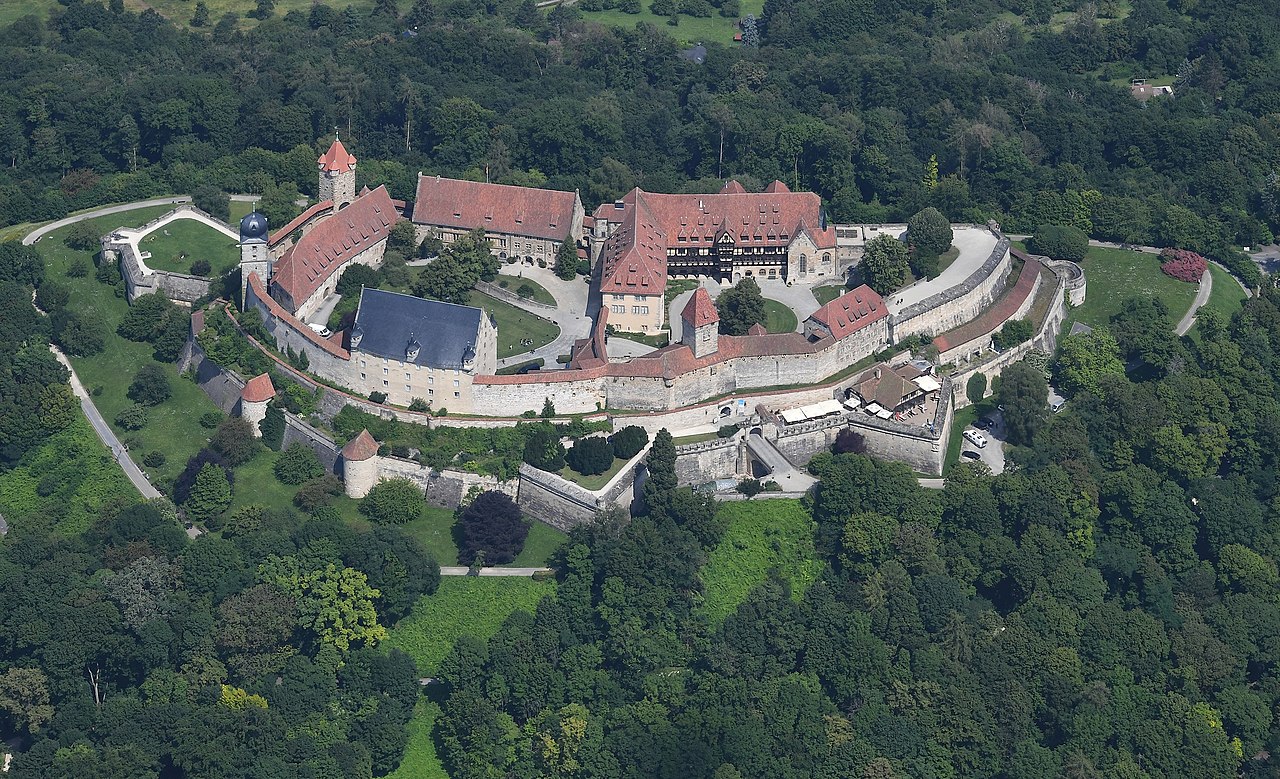
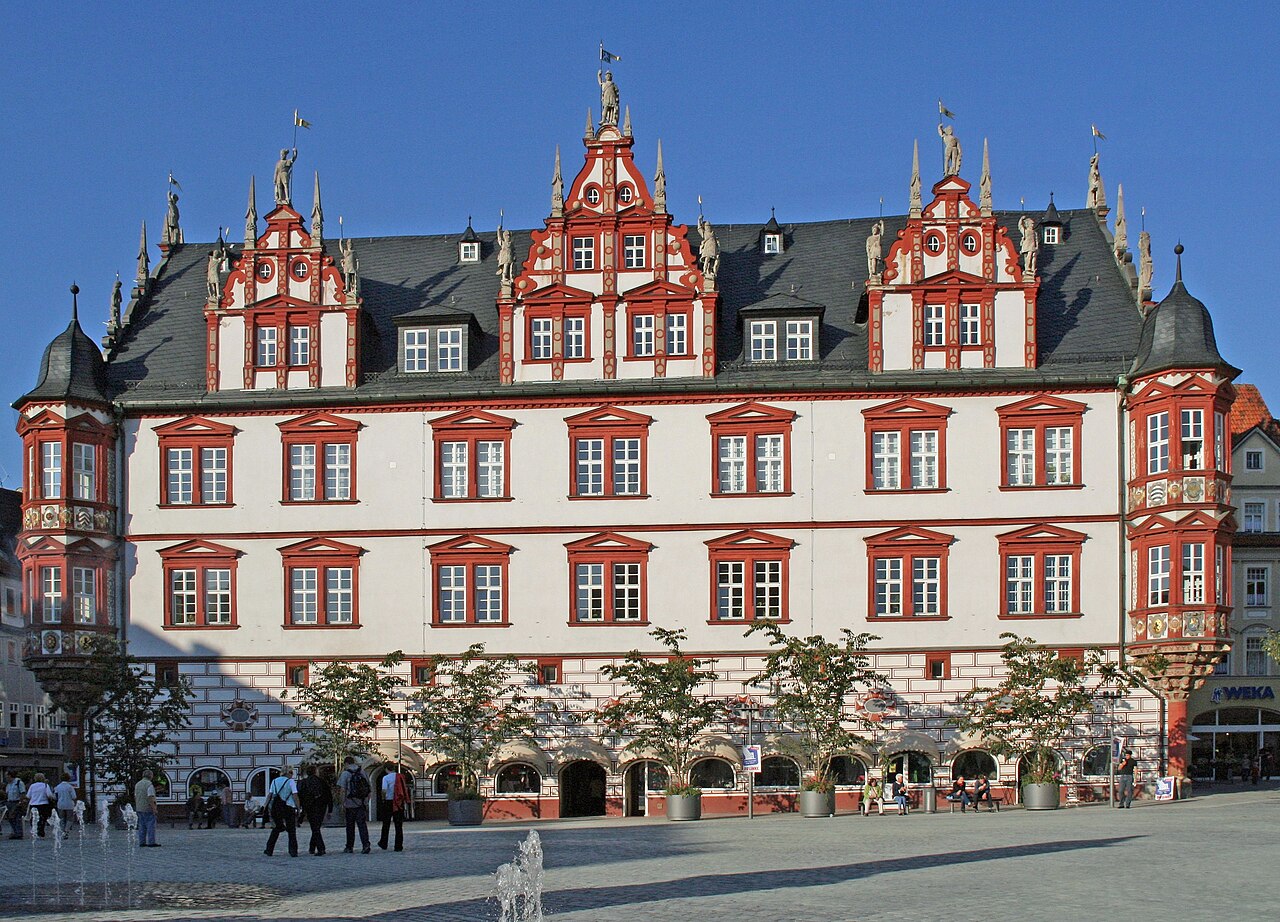
Coburg sits on gently rolling terrain along the Itz and is within reach of larger Franconian cities. The skyline is dominated by the Veste Coburg, a large hilltop fortress with origins in the Middle Ages that houses art collections and offers views over the town. The old town contains a market square, cobbled streets and a number of well-preserved public and ecclesiastical buildings. The municipal coat of arms, granted in 1493, honours the town's patron saint, Saint Maurice, and appears in many civic contexts.
Historical development
The town grew around medieval fortifications and served as a ducal residence for branches of the Wettin dynasty. During the 19th century the ruling house of Saxe-Coburg and Gotha established dynastic links across Europe; members of that house became consorts and sovereigns in several countries. Following the fall of the German monarchies in 1918, local political decisions led to Coburg's incorporation into Bavaria in 1920. Much of the town's identity remains shaped by its ducal past, preserved architecture and collections.
Culture, economy and contemporary life
Coburg today combines cultural tourism, small and medium-sized manufacturing, and services. The fortress and museums attract visitors interested in art, regional history and architecture. Annual events, markets and festivals keep strong local traditions alive, while the town also functions as a commuter and service centre for the surrounding region. Educational and cultural institutions support community life and preserve historic archives and artifacts.
Distinctive features and points of interest
- Veste Coburg: a principal landmark and museum complex.
- Well-preserved medieval old town with a market square and historic houses.
- Heraldry: the coat of arms featuring Saint Maurice, granted in 1493.
- Historical role as one of the capitals of the duchy of Saxe-Coburg and Gotha, with broad European connections.
Visitors and students of European history find Coburg notable for the way local institutions and buildings reflect wider dynastic and cultural links, while residents emphasize the town's scale, green surroundings and combination of historic character with modern amenities.
Questions and answers
Q: What is Coburg?
A: Coburg is a town in Bavaria, Germany.
Q: What is the population of Coburg?
A: As of 2005, the population of Coburg was 42,015.
Q: When did Coburg join with Bavaria?
A: Coburg joined with Bavaria by popular vote in 1920.
Q: What was Coburg's status before 1918?
A: Before 1918, Coburg was the larger of the two capital cities in the united duchy of Saxe-Coburg and Gotha.
Q: What is the significance of Coburg's Coat of Arms?
A: Coburg's Coat of Arms honors the city's patron Saint Maurice and was granted in 1493.
Q: What river is Coburg located on?
A: Coburg is located on the Itz River.
Q: What is Coburg called in East Franconian?
A: In East Franconian, Coburg is called Coborch or Coburch.
Related articles
Author
AlegsaOnline.com Coburg: Historic Bavarian town and former ducal seat Leandro Alegsa
URL: https://en.alegsaonline.com/art/116732
Sources
- destatis.de : "Alle politisch selbständigen Gemeinden mit ausgewählten Merkmalen am 31.12.2018 (4. Quartal)"
- statistikdaten.bayern.de : "Fortschreibung des Bevölkerungsstandes"