
Central Powers (World War I)
Coalition led by Germany and Austria‑Hungary that fought the Allied Powers in World War I (1914–1918); its membership, wartime actions, collapse and long‑term consequences.
The Central Powers were the principal alliance opposing the Allied coalition during World War I. Centered on several multiethnic empires and their allies, the Central Powers operated on multiple fronts in Europe, the Middle East and the Mediterranean between 1914 and 1918. Their wartime experience combined early tactical successes with mounting strategic stresses that eventually led to military defeat and political collapse.
Image gallery
10 Images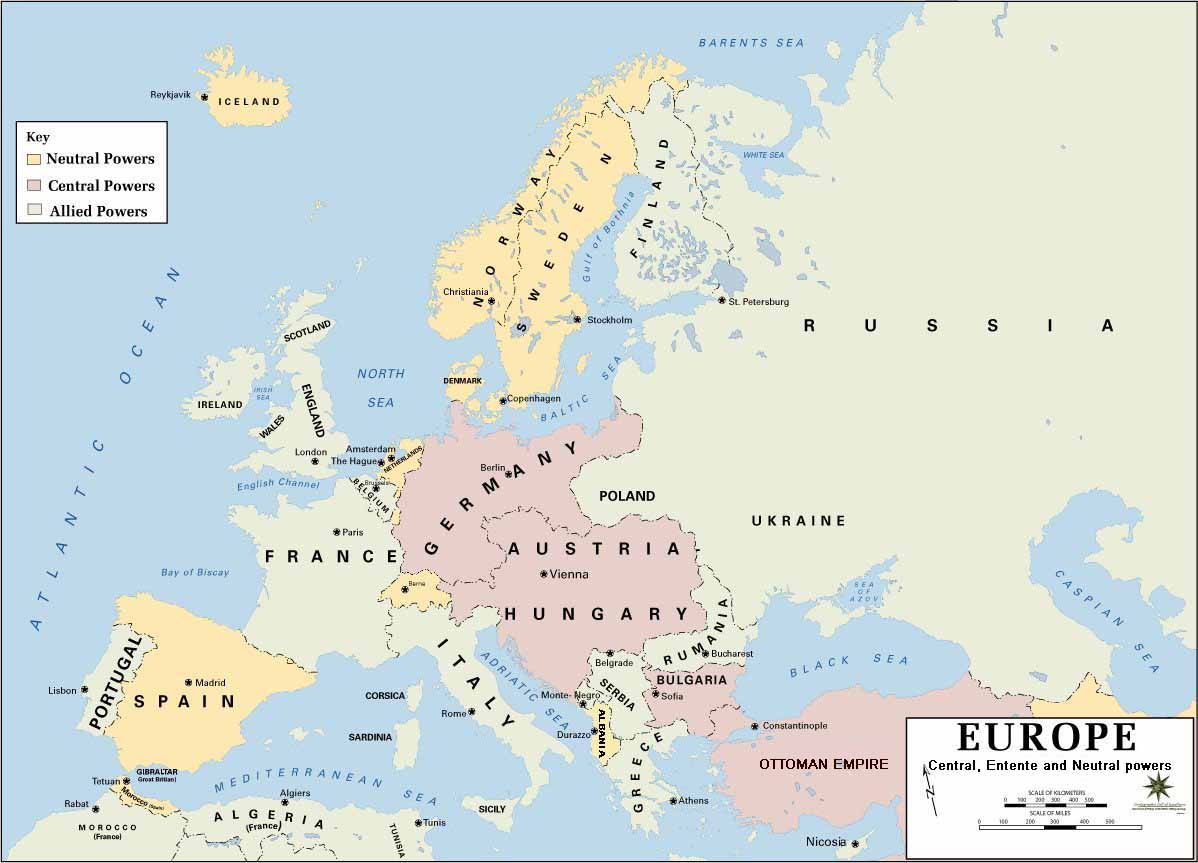





Members and composition
- Germany — the alliance's principal military and industrial power, with large armies and modern war industries.
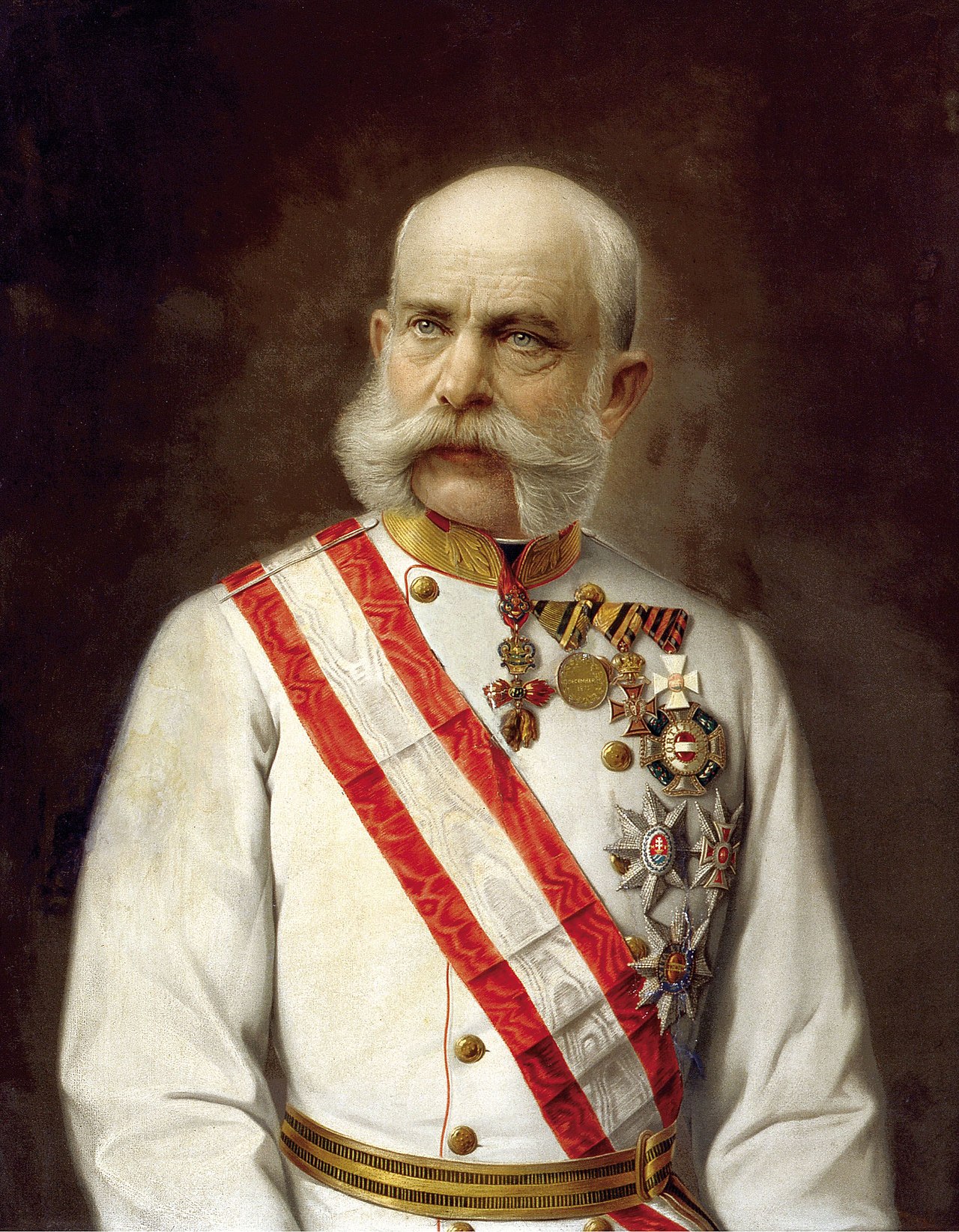
- Austria-Hungary — a multiethnic empire whose regional disputes in the Balkans helped trigger the wider war.
- Ottoman Empire — joined later and opened campaigns in Anatolia, Mesopotamia and the Levant, creating new theaters of conflict.
- Bulgaria — entered to pursue territorial aims in the Balkans and coordinated operations there.
These states, while allied by treaties and common strategic interests, often had differing goals and strains of internal politics. They were opposed by the broader alliance commonly called the Triple Entente in the war's early years: France, Russia and the United Kingdom, to which other nations such as Italy, Japan and later the United States were allied during the conflict.
Origins and wartime development
The Central Powers arose from prewar diplomatic alignments, military planning and mutual assurances among ruling elites. Once the war began, coordination focused on trying to achieve decisive results on key fronts: Germany sought rapid operations in the west while supporting Austria-Hungary against Balkan and Russian pressures; the Ottoman Empire extended the war to the Middle East; Bulgaria concentrated on regional gains in southeastern Europe.
Military course and collapse
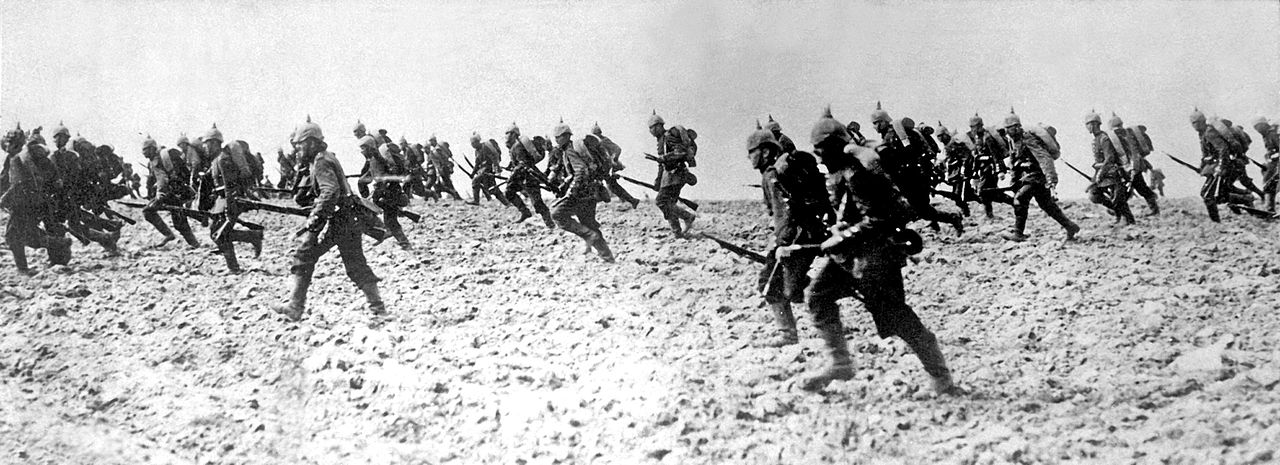
Fighting featured trench warfare on the Western Front, more mobile operations in the east, and campaigns in the Balkans, Caucasus and the Near East. Naval factors, including the British blockade and the German submarine campaign, affected supplies and civilian morale. From 1917 onward, resource shortages, prolonged casualty lists, economic strain and political unrest weakened the alliance. A sequence of defeats, internal revolutions and negotiated armistices in late 1918 ended coordinated resistance and precipitated the dissolution or severe territorial reduction of member states.
Aftermath and legacy
The defeat of the Central Powers led to major territorial and political changes: empires were dismantled or transformed, new nation-states emerged in Europe and the Middle East, and the postwar settlements reshaped borders and influence. The experience of the war influenced international diplomacy, economic policies and social change in the interwar decades, and contributed to debates that shaped later 20th‑century history, including the creation of new international institutions and attempts at collective security.
Notable characteristics
- Coalition of empires with divergent aims and internal social strains.
- Simultaneous campaigns across widely separated theaters, from Western Europe to the Middle East.
- Combined military, economic and political pressures, including blockades and manpower shortages.
- Long-term consequences for national borders, imperial order and international law.
Questions and answers
Q:Who were the Central Powers?
A: The Central Powers were a group of nations that fought against the Allied Powers during World War I.
Q:Which nations were part of the Central Powers?
A: Germany, Austria-Hungary, the Ottoman Empire, Bulgaria and their territories were part of the Central Powers.
Q:Did the Central Powers win or lose the war?
A: The Central Powers lost the war.
Q:What was the Triple Entente?
A: The Triple Entente was composed of France, Russia, and the United Kingdom.
Q:Which nations later joined the Triple Entente?
A: Japan, Italy, and the United States later joined the Triple Entente.
Q:Which side did the Central Powers fight against?
A: The Central Powers fought against the Allied Powers during World War I.
Q:What was the outcome of the war for the Central Powers?
A: The Central Powers lost the war.
Related articles
Author
AlegsaOnline.com Central Powers (World War I) Leandro Alegsa
URL: https://en.alegsaonline.com/art/18069