
Ferdinand Lemaire: librettist of Samson et Dalila and 19th‑century writer
Ferdinand Lemaire, a 19th‑century Creole writer from Martinique, is best known for supplying the French libretto to Saint‑Saëns's opera Samson et Dalila and for his small but lasting contribution to French opera.
Overview
Ferdinand Lemaire was a 19th‑century writer and librettist who is remembered primarily for the French text of the opera Samson et Dalila. He was born in Martinique and identified as a Creole; later in life he became connected by marriage to the family of the composer Camille Saint‑Saëns. Though not a prolific dramatist, Lemaire's collaboration with Saint‑Saëns produced one of the composer's most enduring stage works.
Image gallery
1 Image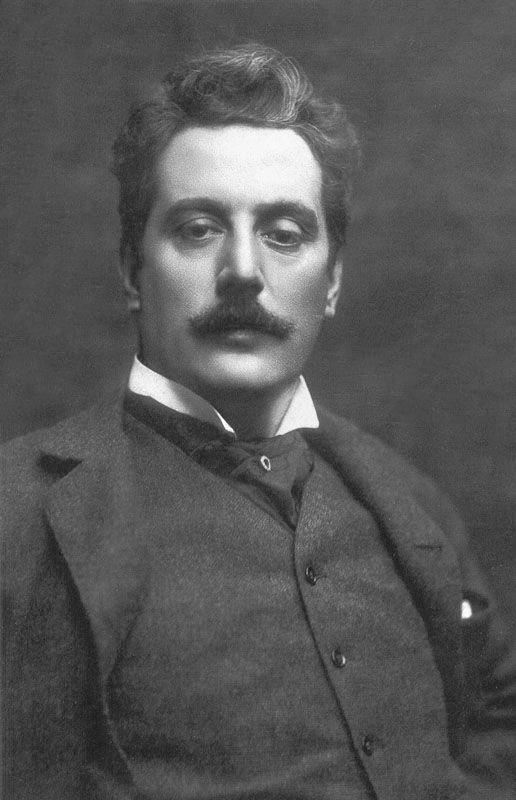
Background and life
Lemaire's early life in Martinique shaped his identity as a Creole writer, and his move into metropolitan cultural circles brought him into contact with established artists. He was not primarily known as a professional librettist before his work with Saint‑Saëns; rather, he wrote poetry and occasional texts and accepted the commission that led to Samson et Dalila. Historical accounts note that he married into Saint‑Saëns's family, which helped initiate their creative collaboration.
Collaboration on Samson et Dalila
Saint‑Saëns originally thought of the subject as an oratorio, but Lemaire preferred a staged treatment and agreed to adapt the biblical story as an opera libretto. Lemaire condensed and shaped the story from the Book of Judges into a dramatic three‑part structure suitable for the operatic stage. He supplied the French words for the principal scenes and arias, including Delila's famous aria "Mon cœur s'ouvre à ta voix," which couples lyrical intimacy with dramatic seduction.
Libretto characteristics
Lemaire's text is economical and focused on dramatic moments rather than extended narration. It favors concise exchanges and vivid stage pictures, giving Saint‑Saëns clear dramatic cues while leaving room for musical expansion. The libretto balances biblical source material with nineteenth‑century operatic conventions: choruses, recitatives, and set arias that reveal character and advance the plot.
Reception and legacy
While Lemaire did not have a large body of stage works, his contribution to Samson et Dalila ensured a lasting place in operatic repertory. The work became Saint‑Saëns's best known opera and continues to be performed frequently; Lemaire's clear, theatrical text is often credited with helping the music achieve its popular appeal. Biographical notes commonly point to his Martinican origin as a noteworthy biographical detail.
Notable facts and distinctions
- Lemaire is chiefly known for one major operatic libretto rather than a large oeuvre.
- He insisted the story be set as an opera rather than an oratorio, a decision that affected the work's dramatic shape.
- His birth in Martinique and Creole heritage are frequently mentioned in discussions of his biography.
- For more context on Saint‑Saëns and the opera's place in music history, see related resources such as Camille Saint‑Saëns overviews and studies of Samson et Dalila.
Questions and answers
Q: Who was Ferdinand Lemaire?
A: Ferdinand Lemaire was a librettist and writer.
Q: What is Ferdinand Lemaire best remembered for?
A: Ferdinand Lemaire is best remembered as the librettist for Camille Saint-Saëns's opera Samson et Delila.
Q: Where was Ferdinand Lemaire born?
A: Ferdinand Lemaire was born in Martinique.
Q: What was Ferdinand Lemaire's ethnicity?
A: Ferdinand Lemaire was a creole.
Q: How did Ferdinand Lemaire become associated with Camille Saint-Saëns?
A: Ferdinand Lemaire married into Saint-Saëns's family.
Q: What was the difference between what the composer and the librettist wanted for Samson?
A: The composer initially intended Samson to be an oratorio, but Ferdinand Lemaire agreed to write it as an opera instead.
Q: What year was Samson et Delila composed?
A: Samson et Delila was composed in 1876.
Related articles
Author
AlegsaOnline.com Ferdinand Lemaire: librettist of Samson et Dalila and 19th‑century writer Leandro Alegsa
URL: https://en.alegsaonline.com/art/34004