
Ericales: a diverse order of flowering plants
Ericales is a broad order of flowering plants that includes heathers, tea, blueberries, kiwifruit and many ornamental and wild species, notable for fused petals and frequent mycorrhizal partnerships.
Ericales is a large and varied order of flowering plants within the broader grouping of dicotyledons. Members occur worldwide and show wide diversity in form and ecology. While some genera are familiar in gardens and agriculture, others are obscure forest trees or specialized herbs adapted to particular soils and climates.
Image gallery
6 Images



Characteristics
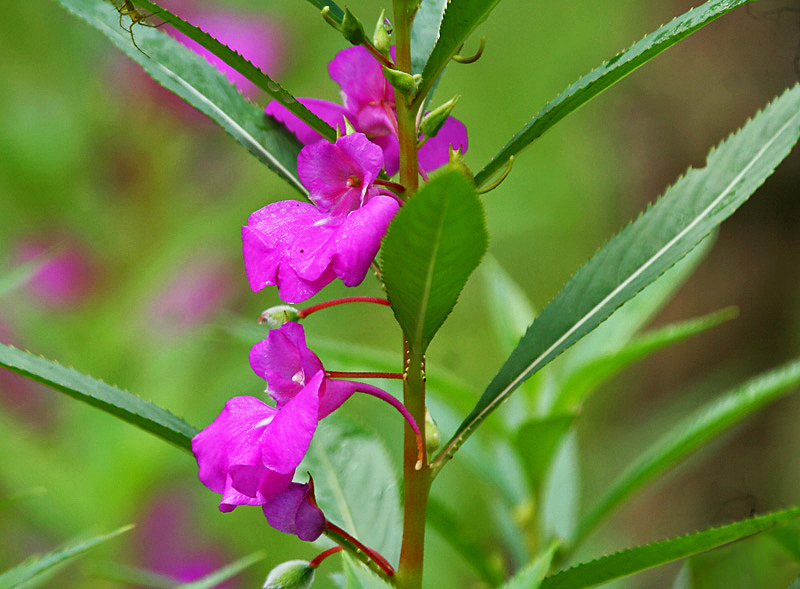
Many Ericales share floral traits such as flowers with parts in fives and petals that are often fused into a tube or bell-shaped corolla, a feature that historically grouped them with other sympetalous plants. Vegetative habit varies: the order contains trees, shrubs, lianas and herbaceous plants. Ecologically, members are frequently associated with fungal partners; different kinds of mycorrhiza commonly aid nutrient uptake in poor or acidic soils.
Notable examples and uses
- Ornamentals: azaleas and rhododendrons are widely cultivated for showy flowers.
- Fruit crops: cultivated blueberries (Vaccinium) and kiwifruit (Actinidia) are economically important.
- Food plants: lucuma (Pouteria lucuma) and other edible species appear in regional cuisines.
- Beverages: tea (Camellia sinensis) comes from a member of this group and has global cultural and economic significance.
These examples illustrate the range from ornamental horticulture to staple beverages and specialty fruits. Many species are also sources of timber, oils or local medicines in traditional use.
Evolution, classification and ecology
The composition of Ericales has been refined as molecular studies clarified relationships among families once placed elsewhere. Rather than a single uniform family, the order unites several lineages that share aspects of flower morphology, chemistry and mycorrhizal ecology. Adaptations to nutrient-poor, acidic soils are common: in such settings symbiotic fungi help plants access scarce minerals and organic nutrients.
Conservation and sustainable use are recurring concerns. Some ericalean species are cultivated worldwide, while others have restricted ranges and face habitat loss. Understanding their ecology, including fungal partnerships, is important for restoration, forestry and horticulture.
For further reading on classification, morphology and ecological roles see general treatments of the order and family-level surveys at authoritative plant databases or floras (order overview, dicot resources, additional references: Vaccinium, Pouteria, Actinidia, Camellia). Practical guides to cultivation and mycorrhizal relationships are available through horticultural and ecological sources (trees, shrubs, lianas, herbaceous, mycorrhiza).
Related articles
Author
AlegsaOnline.com Ericales: a diverse order of flowering plants Leandro Alegsa
URL: https://en.alegsaonline.com/art/31902
Sources
- jstor.org : 3667661