
Eucalyptus dives (broad‑leaved peppermint)
A small eucalyptus native to south‑eastern Australia, known for its broad, peppermint‑scented leaves, role in dry sclerophyll woodlands and use in oil and beekeeping.
Overview
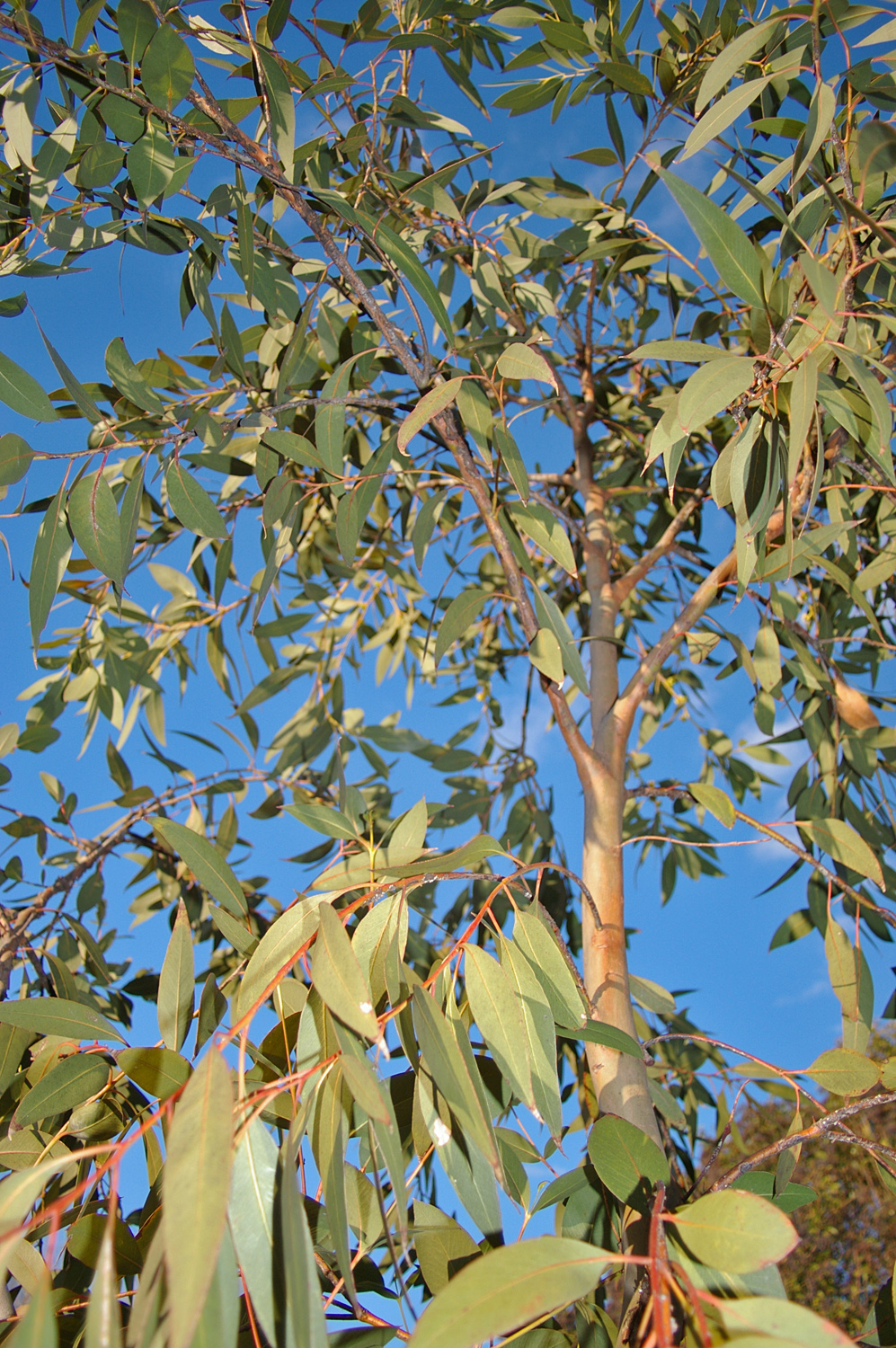
Eucalyptus dives, commonly called broad‑leaved peppermint, is a eucalypt native to south‑eastern Australia. It is characteristic of temperate dry sclerophyll woodlands and open forest and is noted for its strongly aromatic leaves, which give a peppermint scent when crushed.
Image gallery
7 Images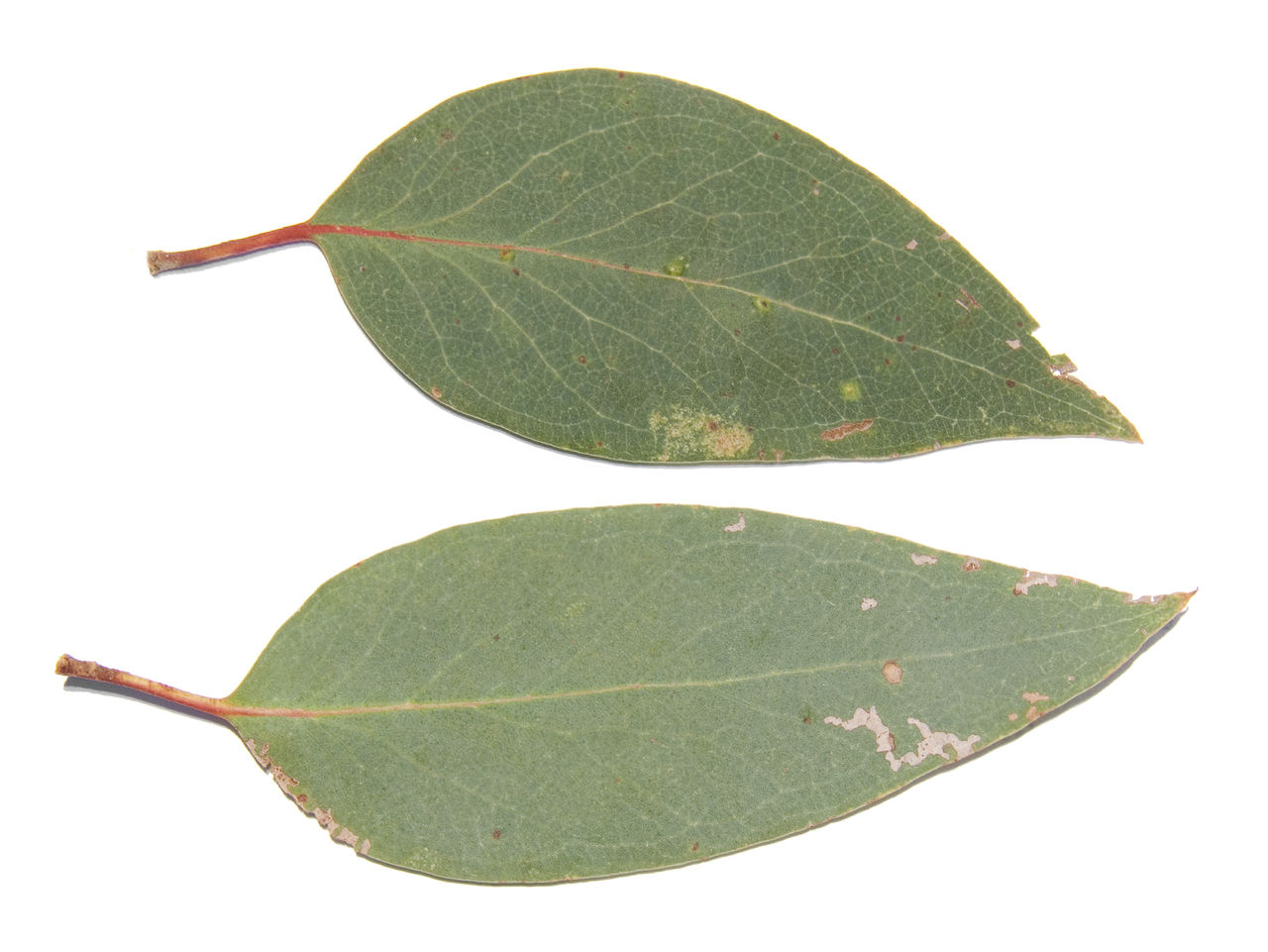


Identification
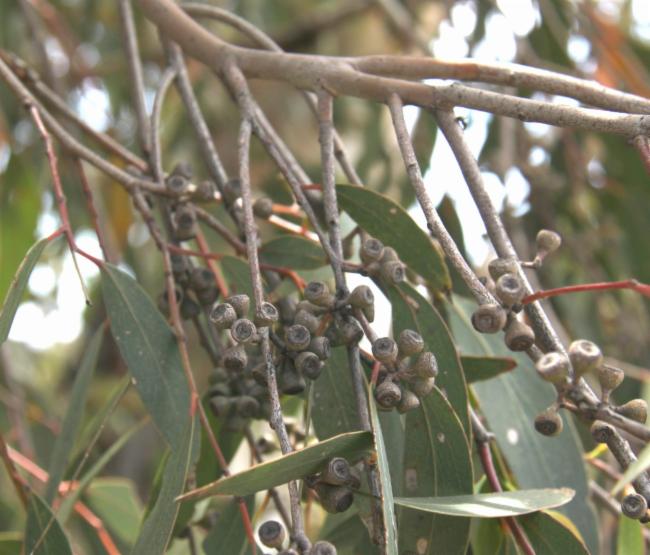
This species is a small to medium tree with leaves that are broader than those of many other peppermint eucalypts. Typical eucalypt features are present: alternate leaves with oil glands, clusters of staminate flowers that are cream or white in appearance, and woody capsule fruits (gumnuts). Bark texture may vary along the trunk and branches.
- Leaf scent: pronounced peppermint when bruised.
- Flowers: arranged in clusters, pale and inconspicuous compared with foliage.
- Fruit: woody capsules containing many small seeds.
Distribution and habitat
Eucalyptus dives occurs in the temperate regions of south‑eastern Australia, where it occupies dry sclerophyll woodlands and open forest on well‑drained soils. For regional occurrence details see distribution sources and habitat descriptions at regional guides.
Ecology and regeneration
As with many eucalypts, E. dives is adapted to disturbance regimes common in its range. It regenerates after fire by resprouting and from seed, contributes nectar and pollen for insects and birds, and forms part of understorey and canopy mosaics in native woodlands.
Uses and cultivation
The aromatic foliage has long been harvested locally for essential oil and traditional remedies; the tree is also valued in apiculture as a nectar source and sometimes planted for shelter or ornamental planting. Horticultural use requires attention to its ecological needs and local provenance; consult cultivation notes and uses and management for guidance.
Distinguishing Eucalyptus dives from related peppermint eucalypts relies on leaf shape, scent intensity and local distribution rather than any single feature. It remains an ecologically important native species within its temperate woodland habitats.
Related articles
Author
AlegsaOnline.com Eucalyptus dives (broad‑leaved peppermint) Leandro Alegsa
URL: https://en.alegsaonline.com/art/32457
Sources
- wikidata.org : Q2559069
- species.wikimedia.org : Eucalyptus dives
- ville-ge.ch : 16483
- id.biodiversity.org.au : 71546
- eol.org : 633026
- gd.eppo.int : EUCDS
- profiles.ala.org.au : Eucalyptus dives
- gbif.org : 3176819
- npgsweb.ars-grin.gov : 15897
- inaturalist.org : 210350
- ipni.org : 592887-1
- irmng.org : 11075364
- itis.gov : 835147
- apiv3.iucnredlist.org : 61912225
- ncbi.nlm.nih.gov : 87671