
Eucalyptus: characteristics, distribution, uses, and notable facts
Eucalyptus is a large genus of mainly Australian trees and shrubs known as eucalypts or gum trees; this article covers their features, origins, common names, uses and ecological significance.
Overview
Eucalyptus is a genus of flowering trees and shrubs widely referred to as eucalypts. The name applies to many species within the larger group of related plants in the tribe Eucalypteae, which includes genera such as Eucalyptus, Corymbia and Angophora. In everyday language many are called gum trees, mallees, ironbarks, boxes and stringybarks. The group is most diverse in Australia, where the majority of the more than 700 species occur.
Image gallery
10 Images





Key characteristics
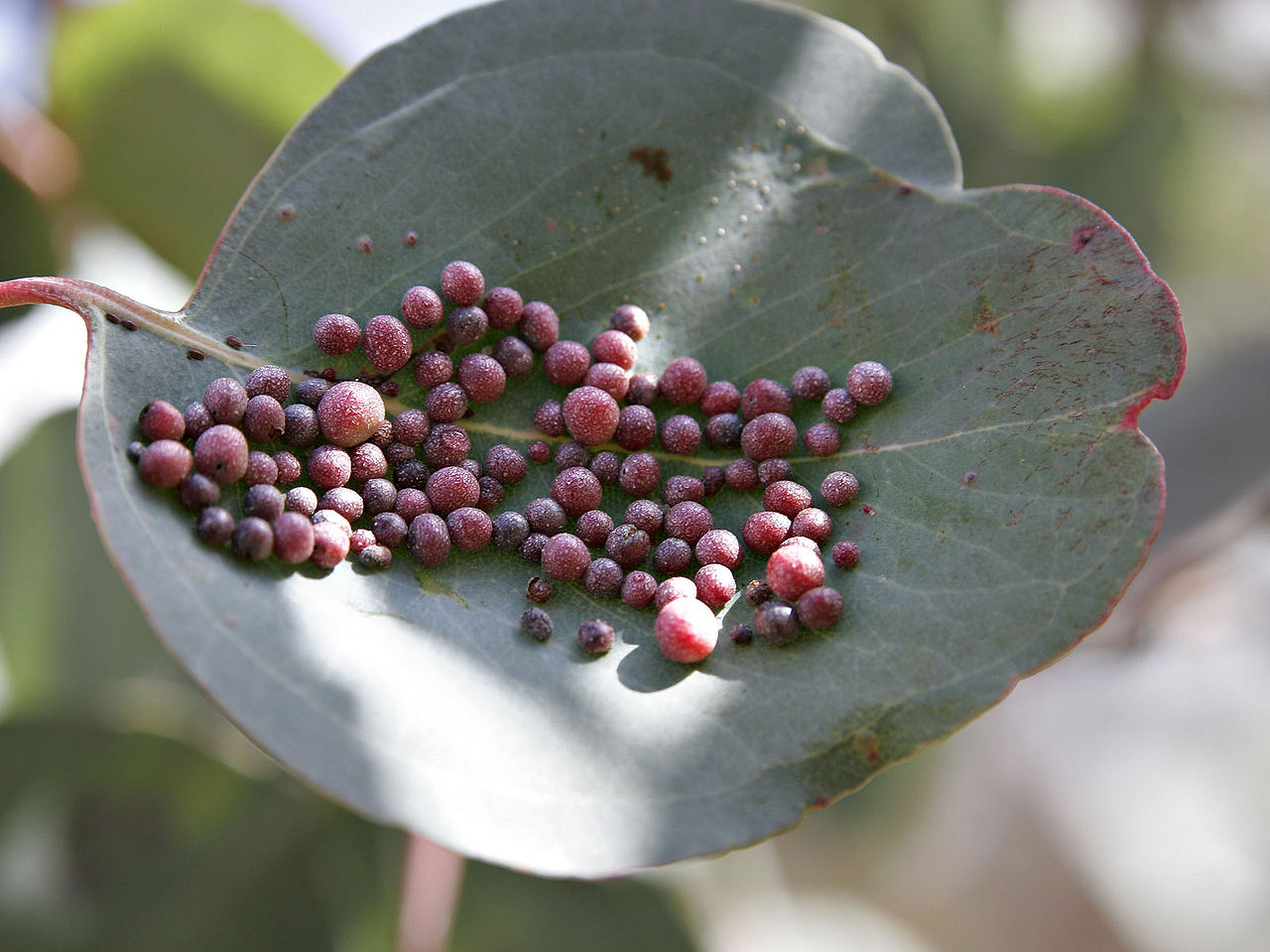
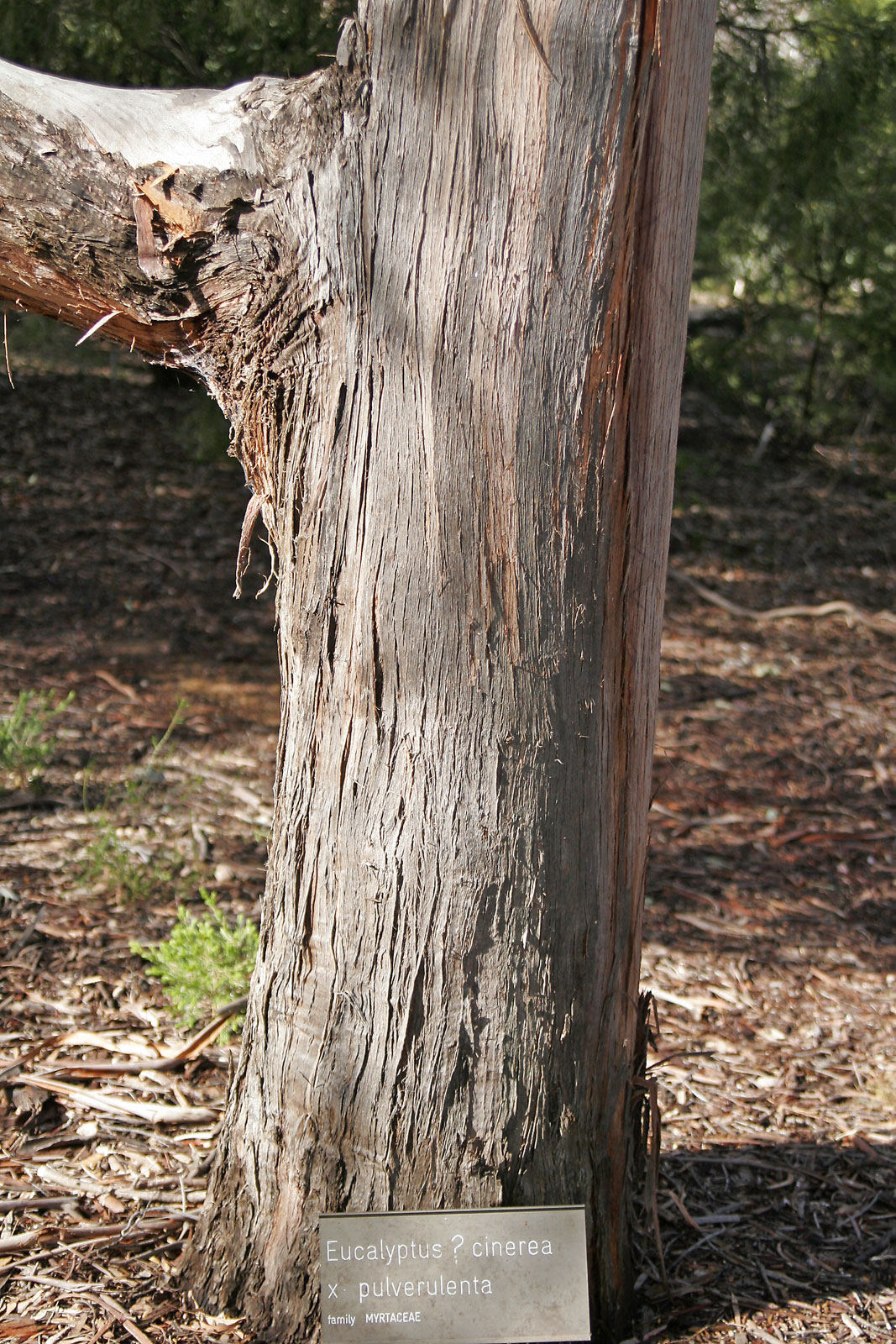
Eucalypts are generally evergreen and are recognizable by oil-rich leaves, distinctive flowers that lack petals, and woody fruit capsules often called gumnuts. Leaves may be lance-shaped or round, and many species have aromatic essential oils used by humans and insects. Bark textures vary from smooth and peeling to rough and deeply furrowed; many species exude a sticky sap from wounds, which is why several are commonly called gum trees.
Origins and distribution
The greatest diversity of eucalypts is confined to Australia, reflecting a long evolutionary history on that continent after it separated from the ancient supercontinent Gondwana. A few species occur naturally in nearby areas such as New Guinea and some islands of Southeast Asia; isolated reports exist of natural populations in places like the Philippines. Outside their native range many eucalypts have been planted widely for forestry, ornament and erosion control.
Ecology and adaptations
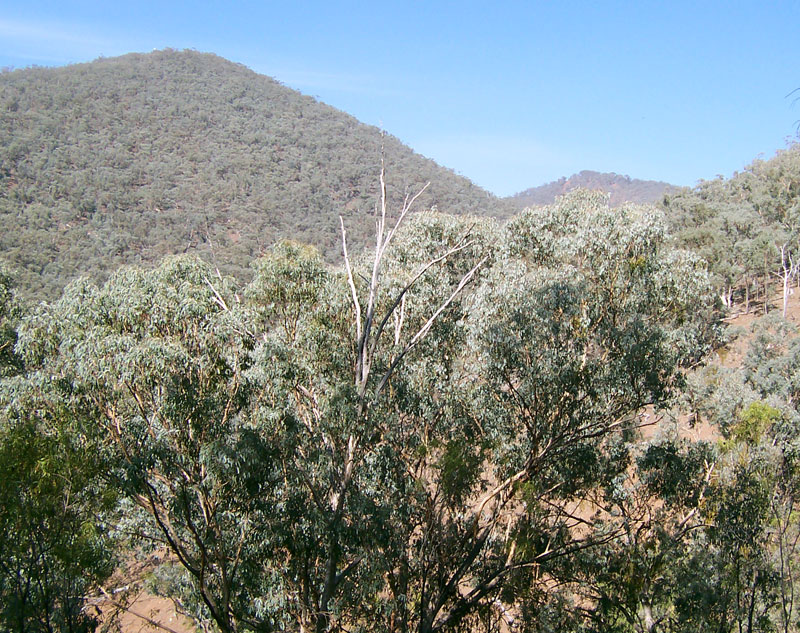
Eucalypts are adapted to a broad range of habitats — from wet forests to arid scrub. Several adaptations relate to recurring fire in Australian ecosystems: some species resprout from underground lignotubers, others regrow from epicormic buds beneath thick bark. Their flowers produce nectar that supports birds, bats and insects, and eucalypt forests form key habitats across large parts of Australia and neighboring islands.
Uses and human significance
- Timber and pulp: many species are grown for construction timber and paper fibre.
- Essential oils: eucalyptus oil, rich in cineole, is used in flavorings, medicines and industrial products.
- Beekeeping and honey: eucalypt nectar is an important source for honey production.
- Ornamental planting and windbreaks: some species are planted in gardens and for landscape shelter belts.
Taxonomy, common names and notable facts
The term "eucalypt" can refer to members of several closely related genera in the tribe Eucalypteae, including Eucalyptus, species from Australasia within genera like Angophora and Corymbia. Common names—such as mallee, box, ironbark and ash—describe growth form or bark type rather than strict taxonomic groups. When introduced beyond their native range, some eucalypts have become invasive or altered local water tables; their rapid growth and flammable litter also affect fire regimes. Nonetheless, their ecological and economic importance in Australia and elsewhere is substantial.
For further reading and species lists, consult regional floras and botanical resources: species checklists and management guides are available through many institutions (historical context, nearby island records, introduction reports). Additional overview material and identification keys can be found via specialist botanical references and forestry handbooks (gum tree guides, Australian flora portals).
Questions and answers
Q: What is the genus of eucalypts?
A: The genus of eucalypts is Eucalyptus.
Q: How many species of eucalypts are there?
A: There are over 700 species of eucalypts.
Q: Where can eucalypts be found?
A: Eucalypts can be found in almost every part of Australia, and they have adapted to many different habitats.
Q: Are eucalypts naturally found in any other countries apart from Australia?
A: Apart from the island of New Guinea, which is historically connected to Australia, and the Philipines, and a couple of small islands, the eucalypts are not naturally found in any other countries.
Q: Why are some species known as gum trees?
A: Some species are known as gum trees because they put out lots of sap from any break in the bark.
Q: What other local names do eucalypts have?
A: Eucalypts have many local names, like 'gum trees', 'mallee', 'box', 'ironbark', 'stringybark' and 'ash'.
Related articles
Author
AlegsaOnline.com Eucalyptus: characteristics, distribution, uses, and notable facts Leandro Alegsa
URL: https://en.alegsaonline.com/art/32460
Sources
- biodiversity.org.au : "Eucalyptus"
- forestrytas.com.au : "Tasmania's tallest trees"
- botanical.com : "A Modern Herbal:Eucalyptus"
- wwwlibrary.csustan.edu : "The Eucalyptus of California"
- audubonmagazine.org : "Audubon: Incite"
- alumni.ucsd.edu : "@UCSD: Tree Wars"