
Lúcuma: Andean fruit used in desserts, flavoring, and traditional cuisine
Lúcuma (Pouteria lucuma) is a starchy, sweet fruit from the Andean valleys, long valued in Peruvian and Chilean cuisine. Used fresh, powdered, and widely as an ice cream flavor, it has culinary and cultural importance.
Overview
Lúcuma (Pouteria lucuma) is a fruit tree of the sapote family (Sapotaceae) native to the Andean valleys of western South America. The ripe fruit has yellow to orange flesh with a dry, mealy, starchy texture and a sweet, subtly caramel-like flavor. In countries such as Peru and Chile it is prized both as fresh fruit and as a flavoring ingredient in sweets and beverages; it is commonly cited as one of Peru’s most popular ice cream flavors. For general species information see species information.
Image gallery
3 Images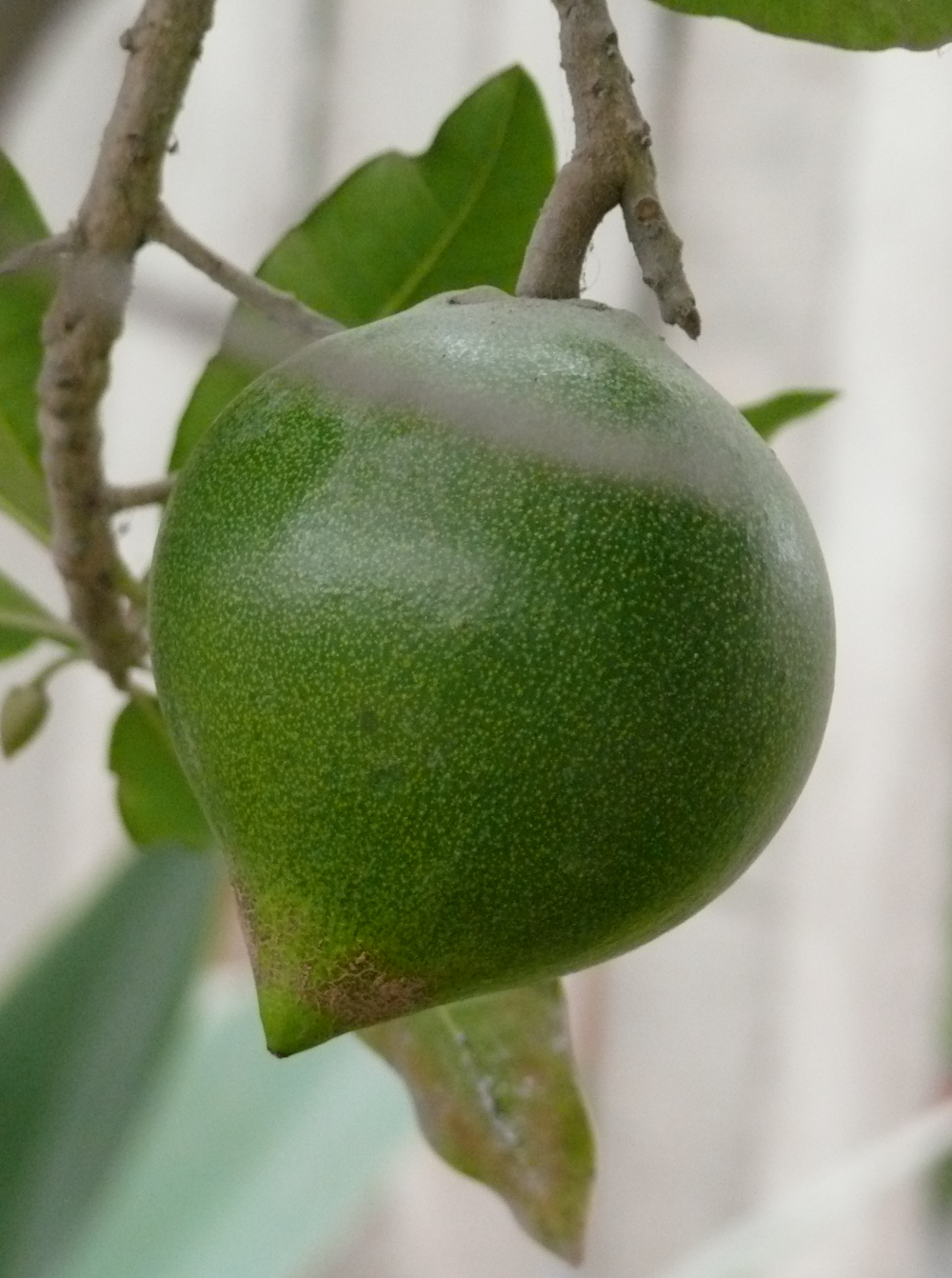


Botanical characteristics
The lúcuma tree produces round to egg-shaped fruits that turn from green to brownish as they mature. Inside each fruit is a single large, hard seed surrounded by dense, starchy flesh. Trees are evergreen and adapted to mountain valleys and moderate climates; they often take several years to begin producing significant crops. Propagation is commonly by seed or by grafting to preserve desirable varieties. Cultivation notes and regional guidance can be found at regional agriculture.
History and cultural importance
Lúcuma has a long history in Andean cultures. Archaeological research has recovered lúcuma seeds from pre-Columbian burial and habitation sites, indicating the fruit was part of ancient diets and ceremonial contexts. It continues to appear in traditional iconography and is widely sold in local markets, remaining an emblematic flavor of Andean cuisine; see related findings at archaeological sources.
Culinary uses
The fruit is versatile in the kitchen. Fresh pulp is used in smoothies, custards, puddings and beverages, and it is commonly dried and ground into a powder to add flavor to cakes, cookies and drinks. One of the best-known preparations is helado de lúcuma (lúcuma ice cream). Contemporary chefs and home cooks also use lúcuma as a natural sweetener or flavoring agent in modern desserts and drinks; see collections of ideas at drinks and desserts and specific dessert recipes.
Harvest, storage and commerce
Harvest typically occurs when fruits reach full color and slightly soften. Because the flesh is starchy and not highly juicy, preservation methods include canning, freezing pulp, or drying into powder, which extends shelf life for domestic and export markets. Smallholders sell fresh fruit at local markets while processed pulps and powders serve urban and international specialty food channels.
Nutritional and distinguishing notes
Lúcuma is valued more for flavor and texture than as a primary source of nutrients. It contains complex carbohydrates and modest amounts of vitamins and minerals, and its orange-yellow flesh indicates the presence of carotenoid pigments. Its distinctive dry, almost maple- or caramel-like taste and starchy mouthfeel set it apart from juicier tropical fruits.
- Scientific name: Pouteria lucuma
- Typical uses: ice cream, smoothies, custards, powdered flavoring
- Region: native to Andean valleys of Peru, Ecuador and Chile
Related articles
Author
AlegsaOnline.com Lúcuma: Andean fruit used in desserts, flavoring, and traditional cuisine Leandro Alegsa
URL: https://en.alegsaonline.com/art/59746
Sources
- hort.purdue.edu : Lucmo