
Epistolary novel: form, history, techniques, and notable examples
An epistolary novel tells its story through letters, documents, diaries or reports. This article explains the form, its history, variations, techniques, and notable works and authors.
An epistolary novel is a work of prose fiction that unfolds primarily through documents—most often letters, diary entries, memoir fragments, newspaper clippings, or other first‑person materials—rather than through a single continuous narrative voice. The term connects to the broader category of the novel and to the practice of writing letters as narrative devices. Because this structure presents events as apparently direct records, it has long been used to increase intimacy, create multiple perspectives, and suggest documentary authenticity.
Image gallery
4 Images

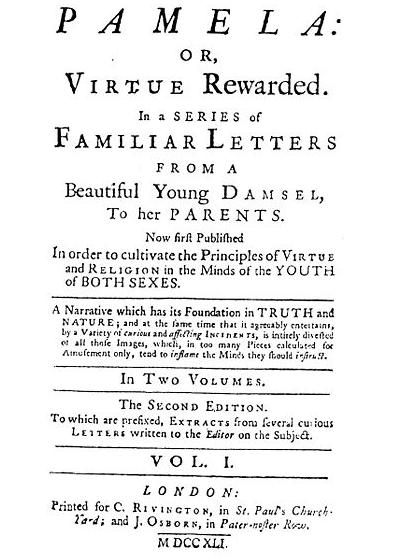

Characteristics and narrative effects
Epistolary fiction typically privileges immediacy and subjectivity: readers receive characters’ thoughts, reactions, and private accounts in their own words. Common characteristics include dated entries, varying levels of reliability between correspondents, and gaps or silences that the reader must interpret. Authors use these features to achieve specific effects such as:
- verisimilitude and realism, by mimicking real documents (see discussion);
- polyphony, by juxtaposing different voices and perspectives;
- dramatic irony, when readers can see contradictions among accounts;
- confessional intensity, through private diaries or letters.
Origins and development
The word derives from the classical tradition: its linguistic roots are in Latin (Lat.) and the Greek term for a letter (ἐπιστολή), related to the notion of an epistle. Epistolary elements appear in early letter collections and in the novels of the 17th and 18th centuries, when epistolary forms were widely adopted to explore subjectivity and social exchange. Over time the method evolved from single‑voice correspondence to complex assemblages of documents, incorporating journalism, official records, and fictional scholarly apparatus.
Techniques and variations
Writers adapt the epistolary frame in many ways. Some compose a narrative entirely of personal letters or a single character’s diary; others mix genres by adding newspaper items, legal transcripts, or modern digital forms like emails and text messages. Authors can play with reliability by giving contradictory accounts, or with chronology by presenting documents out of order. The form also lends itself to framed narratives—stories embedded within letters addressed to a particular reader or editor.
Notable examples
Classic and modern novels demonstrate the epistolary mode’s range. Representative works include:
- The Tenant of Wildfell Hall — a 19th‑century example told through letters and framed testimony; see also Anne Brontë.
- Dracula — a mosaic of diaries, letters, and reports by Bram Stoker.
- The Screwtape Letters — satirical moral instruction presented as correspondence by C. S. Lewis.
- Carrie — a modern horror novel assembled from reports, clippings, and letters by Stephen King.
- Diary of a Wimpy Kid — a contemporary children’s series presented as a diary with drawings.
These examples show how the epistolary approach can serve different genres—romance, horror, satire, and children’s fiction—by shaping reader engagement through framed documentation.
Importance and distinctions
As a narrative strategy, the epistolary novel foregrounds subjectivity and the act of communication itself. It differs from conventional third‑person storytelling by inviting readers to assemble truth from partial, contingent reports. Modern writers have extended the form to include electronic media and multimodal elements, preserving the core aim of presenting fiction as compiled or discovered testimony.
For further thematic or technical discussion see related entries and resources: novel form, letter writing, or critical studies available through introductory literary surveys and annotated editions that collect representative epistolary texts.
Additional resources: Greek origins, Latin terms, and overviews of epistles and documentary fiction are useful starting points for deeper research.
Related articles
Author
AlegsaOnline.com Epistolary novel: form, history, techniques, and notable examples Leandro Alegsa
URL: https://en.alegsaonline.com/art/31760