
Essay — definition, forms, history, and uses
An essay is a flexible written form expressing an author's ideas, analysis, or narrative. This article explains its characteristics, genres, history, functions, and guidance for writers.
An essay is a focused piece of writing in which an author explores ideas, argues a point, records observations, or reflects on experience. Often written in prose, an essay typically presents a personal or reasoned perspective rather than an exhaustive academic study. The term is broad and sometimes overlaps with other short forms such as articles or short stories; comparison and boundary issues are discussed below. For a basic working definition, consult the linked general description: written text.
Image gallery
6 Images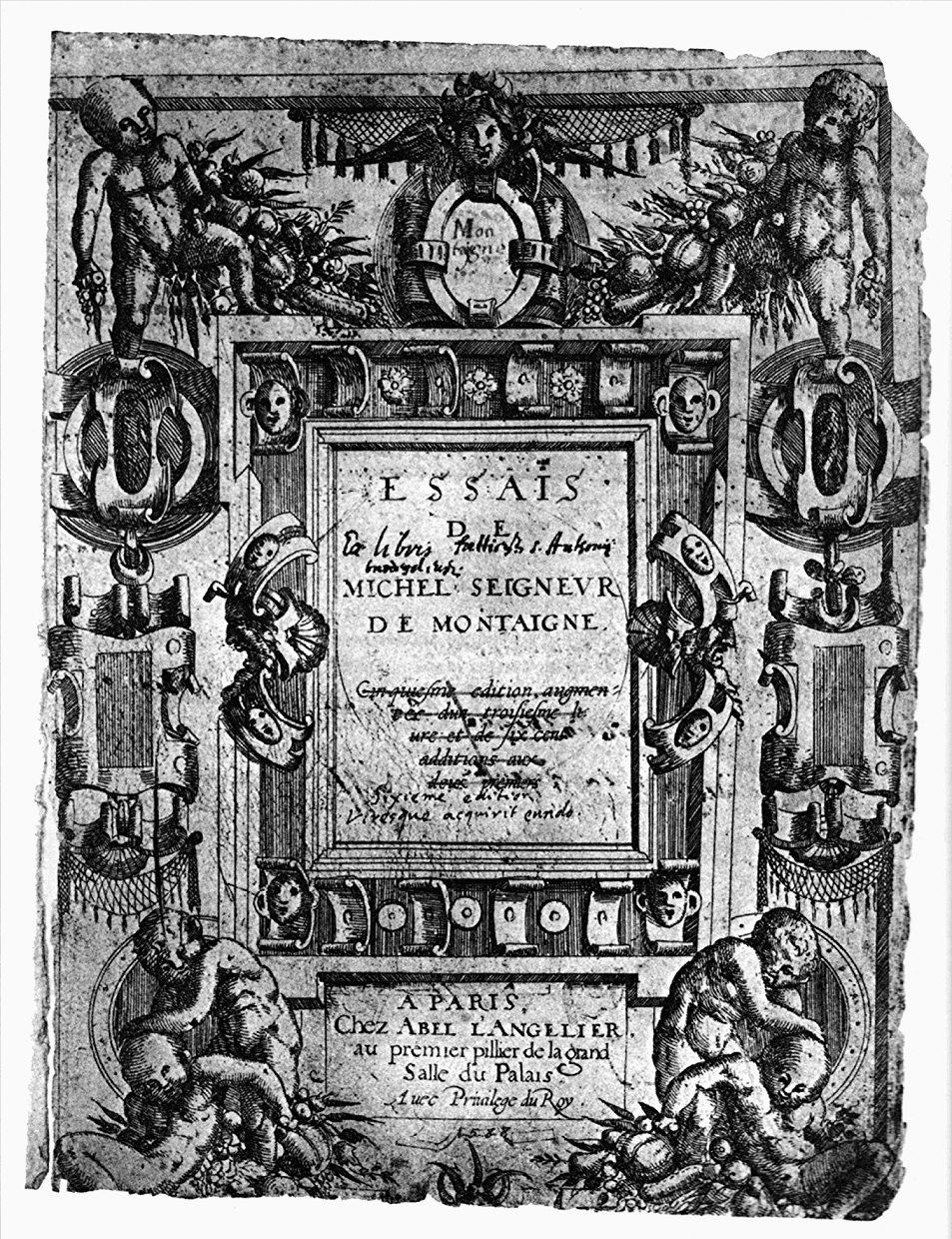




Core characteristics and common parts
Most essays share several structural and rhetorical elements even when their tone and purpose differ. Common parts include an introduction that frames the topic and states a thesis, a body that develops points with evidence or example, and a conclusion that summarizes or reflects. Essays vary in voice from highly personal and conversational to formal and analytic. Key qualities include clarity of thought, coherence between paragraphs, and attention to audience. Writers often use transitions, examples, and counterarguments to strengthen reasoning.
Genres and forms
Essays take many forms depending on their goals. Typical categories are:
- Expository: explains or informs.
- Argumentative: advances and supports a claim.
- Narrative: tells a story or recounts experience.
- Descriptive: focuses on sensory detail and impression.
- Reflective: interprets personal learning or insight.
Length and format range from brief personal pieces in magazines to long, book-length treatments. Some long works historically called essays—like the systematic studies of philosophy and society—blur the line with books; notable extended essays have been produced by writers such as John Locke in his long philosophical volumes: example of a long essay. At the other extreme, short creative pieces can resemble articles or short stories (related forms).
History and development
The modern essay as a reflective, exploratory form is often traced to Michel de Montaigne in the late 16th century, who used the French word essai to mean "attempt" or "trial." Over subsequent centuries the essay evolved in languages and cultures, appearing in personal journals, periodicals, and literary collections. Most contemporary essays are rendered in ordinary prose (prose), though verse pieces have occasionally been described as essays; classic poetic examples are sometimes cited alongside prose works, for instance in discussions of Alexander Pope's poetic meditations: Pope's essays in verse and the wider tradition of poetic argument (verse examples).
Uses, importance, and contexts
Essays perform many roles. In education they test comprehension, clarity, and critical thinking. In journalism and criticism they shape public debate and evaluate works or ideas. In literature they allow writers to explore voice and perspective without the formal demands of a novel. Personal essays can build empathy and illustrate individual experience; analytical essays can clarify complex issues. Because the essay privileges reasoned exposition and distinctive voice, it remains a key genre for thinkers, critics, and communicators.
Notable distinctions and practical tips
Essays are distinguished from research articles by their lesser emphasis on exhaustive documentation and from fiction by their anchoring in argument, observation, or personal response. Because the form is flexible, readers should attend to purpose and audience when evaluating an essay's success. For writers: begin with a clear focus, organize supporting points logically, use examples or evidence where appropriate, and finish with a conclusion that adds perspective rather than mere repetition. Many accomplished writers who specialize in this form are known as essayists, and studying exemplary essays can reveal how voice, economy, and structure combine to persuade or illuminate.
For further introductory material and examples across genres, see general resources on the form: definition and overview, collections of short pieces and articles: short forms, guidance on prose style: prose guidance, discussions of verse and hybrid pieces: verse instances, historical and critical perspectives: classical and poetic essays, and extended philosophical essays as models: long-form examples.
Questions and answers
Q: What is an essay?
A: An essay is a written text usually about the personal point of view of the author who wrote it.
Q: How is an essay defined?
A: The definition of an essay is vague.
Q: What are articles and short stories compared to an essay?
A: Articles and short stories can be quite similar to an essay.
Q: What is the usual form of a modern essay?
A: The usual form of a modern essay is prose.
Q: Who are people that write essays called?
A: People that write essays are called essayists.
Q: Can essays be long?
A: Yes, essays can be long. Some examples of long essays are John Locke's An Essay Concerning Human Understanding and Thomas Malthus's An Essay on the Principle of Population.
Q: What can the purpose of an essay be?
A: The purpose of an essay can have all sorts of purposes. For example, an essay can be very argumentative or talk about points for and against the essay question to give a balanced argument or opinion. It must be essential and give some new points about topics and must be useful to readers.
Related articles
Author
AlegsaOnline.com Essay — definition, forms, history, and uses Leandro Alegsa
URL: https://en.alegsaonline.com/art/32229
Sources
- books.google.com : Polemic: Critical Or Uncritical
- papyr.com : "English Composition 1: Thesis"
- ee.princeton.edu : ee.princeton.edu/people/alumni/thesis-led-essay.html
- examples.yourdictionary.com : "Thesis Statement Examples"