
Dracula — Bram Stoker's Gothic Vampire Novel and Cultural Legacy
Overview of Bram Stoker's Dracula: form, story, inspirations, themes, publication, and its lasting influence on vampire fiction and popular culture.
Dracula is a landmark Gothic horror novel by the Irish writer Bram Stoker. First published in England in 1897, it established many of the enduring conventions of modern vampire fiction. The book follows the efforts of several protagonists to confront and destroy Count Dracula, a Transylvanian nobleman and vampire who seeks to extend his predatory influence into Victorian England.
Image gallery
7 Images

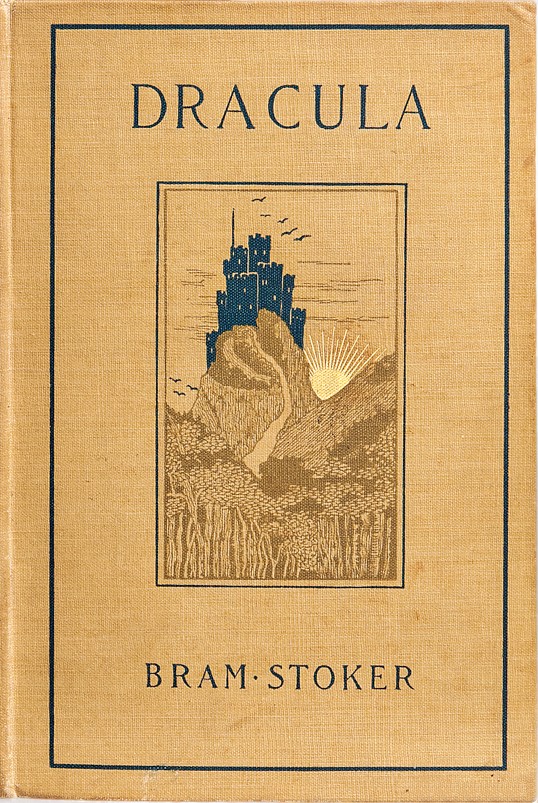



Form and main elements
The novel is notable for its epistolary structure: the narrative is assembled from diary entries, letters, newspaper clippings, and ship logs, a technique that creates multiple viewpoints and a sense of documentary realism. Key characters include Jonathan Harker, Mina Murray (later Harker), Lucy Westenra, Professor Abraham Van Helsing and, of course, Count Dracula. The story moves between Eastern Europe and London and combines supernatural horror with late‑Victorian anxieties about disease, sexuality, and social change.
Origins and inspirations
Stoker drew on a mix of folklore, travel writing, and local legends when shaping his antagonist. Scholars commonly point to historical figures and acquaintances as partial inspirations: the medieval Wallachian prince Vlad III (often called Vlad the Impaler) and the actor Sir Henry Irving, a friend and employer of Stoker’s, have both been linked to the novel’s title character. Biographical details about Stoker's interest in theatre, history and contemporary vampire stories also help explain how Dracula evolved into a richly textured villain.
Themes and interpretation
Dracula explores several interlocking themes: the clash between modern science and ancient superstition, the boundaries of the body and identity, imperial fear of invasion, and shifting social norms around gender and sexuality. Professor Van Helsing represents medical knowledge allied with folklore; Mina represents constancy, intelligence and the Victorian ideal of womanhood while also being a site of transgressive vulnerability. The book's atmosphere, symbolic imagery and moral tensions invite varied readings across sociology, literature and cultural studies.
Reception, adaptations, and legacy
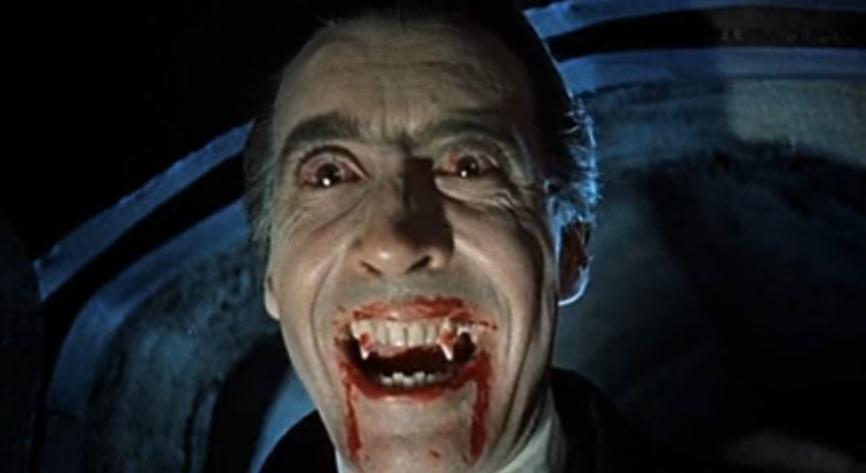
Though not uniformly praised at first, Dracula quickly became influential. Its portrayal of the vampire informed countless stage and screen adaptations and spawned a vast body of derivative fiction. Notable adaptations and media influenced by the novel include films, theatre productions, radio dramas, graphic novels and television series.
- Stage and silent films that introduced Dracula to mass audiences.
- Classic sound films and later cinematic reinterpretations that reshaped the vampire's image.
- Modern novels, comics and television shows that expand or subvert Stoker’s motifs.
Notable facts and distinctions
Dracula is frequently studied for its innovative narrative structure and for establishing tropes—such as vulnerability to sunlight, the aversion to garlic, and the need for a stake through the heart—that became associated with vampires in popular culture, though many specifics vary across adaptations. The novel remains a central reference point for discussions of Gothic literature and the evolution of horror fiction.
For further reading and resources, see introductory materials on the novel and its author at general sources: novel overview, background on Stoker's nationality and life: Irish context, pages devoted to Bram Stoker, publication history links: English publication and timelines referencing 1897.
Questions and answers
Q: Who wrote the novel Dracula?
A: The novel Dracula was written by the Irish writer Bram Stoker.
Q: When was the novel published?
A: The novel was published in England in 1897.
Q: What is the story about?
A: The story is about a vampire called Dracula who wants to take over England.
Q: Who may have been an inspiration for 'Dracula'?
A: Sir Henry Irving (who was an actor and friend of Bram Stoker) and Vlad III the Impaler (a Romanian king) may have been inspirations for 'Dracula'.
Q: Where is the novel set?
A: The novel is set in 1893.
Related articles
Author
AlegsaOnline.com Dracula — Bram Stoker's Gothic Vampire Novel and Cultural Legacy Leandro Alegsa
URL: https://en.alegsaonline.com/art/28830