
Anne Brontë (1820–1849): English novelist and poet
Anne Brontë, youngest of the Brontë siblings, wrote Agnes Grey and The Tenant of Wildfell Hall; her work combined realism and moral seriousness and addressed women's lives and social limits in Victorian England.
Anne Brontë (17 January 1820 – 28 May 1849) was an English novelist and poet whose short but influential career produced two novels and a body of poems that explored the constraints placed on women in nineteenth-century society. She is best known for Agnes Grey and The Tenant of Wildfell Hall, works that argued for moral seriousness and personal integrity in the face of social pressure. Contemporary readers first met her through a joint collection of verse that she issued with her sisters under pen names.
Image gallery
10 Images

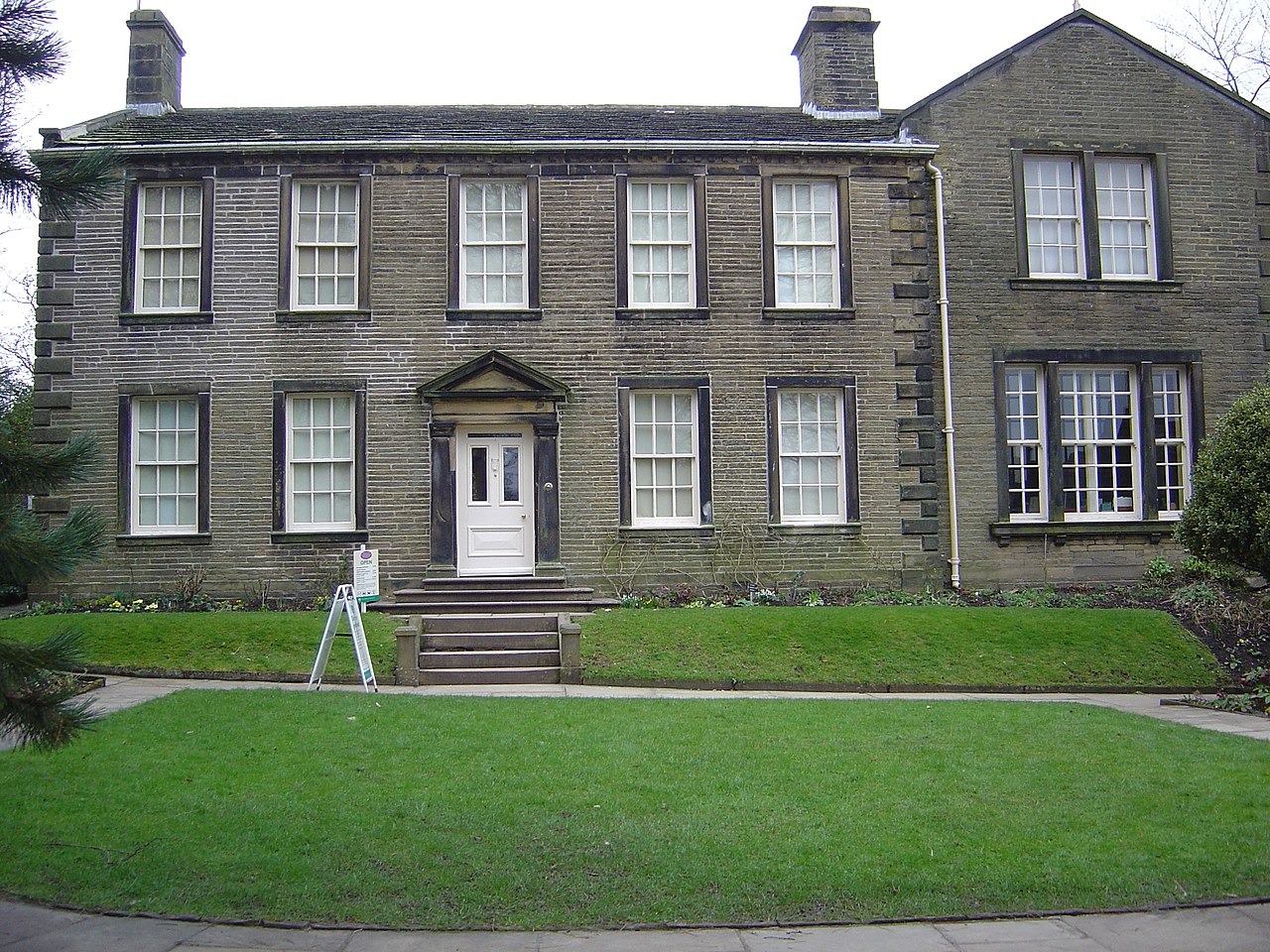


Life and background
Anne was born in Thornton, near Bradford in Yorkshire, England on 17 January 1820 to Patrick and Maria Brontë. The youngest of six children, she grew up at the parsonage in Haworth and received much of her education at home under the care of her aunt Elizabeth Branwell and through brief periods in boarding schools. Like her sisters, she worked for a time as a governess, an experience that directly informed the realism of her first novel and sharpened her observation of household life and class relations.
Major works
- Agnes Grey (1847) — a restrained, realistic account of a governess's trials and moral resilience; often paired in publication with Wuthering Heights by her sister Emily.
- The Tenant of Wildfell Hall (1848) — a more overtly controversial and frank narrative about marriage, addiction, and a woman's right to protect herself and her child.
- Poetry — Anne contributed several poems to the joint volume Poems by Currer, Ellis and Acton Bell, using the pen name Acton Bell and later collected other pieces published during her lifetime.
Themes and style
Anne's fiction is noted for its plainspoken clarity, moral intensity, and attention to everyday detail. Where her sisters are often associated with passion and gothic atmosphere, Anne favoured sobriety and ethical inquiry, focusing on the lived experience of work, duty, and constrained personal freedom. Her narratives examine social institutions such as marriage and employment, and she deployed realism to critique cruelty, dependence, and neglect. Critics have sometimes described her voice as the most restrained and direct among the Brontës.
Publication and reception
Anne first reached readers when she and her sisters issued poems under pseudonyms—she as Acton Bell—in a bid to have their work judged on merit rather than gender. Her novels appeared in quick succession: Agnes Grey in 1847 and The Tenant of Wildfell Hall in 1848, the latter attracting both praise and controversy for its depiction of drunkenness and marital breakdown. During her lifetime Anne's work sold modestly and drew attention for its social candour; posthumously she has been reassessed and valued for contributions to realist narrative and proto-feminist concerns.
Death and legacy
Anne died in Scarborough on 28 May 1849, at the age of 29, of pulmonary disease commonly called tuberculosis. Her early death curtailed a promising literary trajectory, but her two novels and poems continued to influence readers and scholars who study gender, morality, and realism in Victorian literature. Her life and work remain the subject of biographies, editions, and critical studies that situate her alongside Emily and Charlotte in the wider Brontë family story.
Notable facts
- She first published with her sisters in a shared volume credited to Currer, Ellis and Acton Bell.
- Her experience as a governess in the 1840s informed Agnes Grey, written from close observation of domestic service.
- The Tenant of Wildfell Hall caused debate on marriage and women's legal rights when it appeared in 1848.
- She was born in Thornton and raised in Yorkshire, regions that shaped the moorland settings and social atmospheres in which the Brontës wrote.
- Anne's brief career included important personal milestones in 1839 and between 1841 and 1845, periods associated with her work as a governess and the composition of her fiction.
For further reading and scholarly resources consult modern editions and reliable critical studies of the Brontës available through libraries and academic publishers; online catalogues and facsimiles can be found via institutional repositories and specialist archives. See also local histories of Scarborough and England for contemporary context, and bibliographies of nineteenth-century publishing for details of the original editions and reception. Additional reference points include family correspondence, parish records, and nineteenth-century reviews preserved in archives and digitized collections (poems, governess accounts, and regional studies).
Note: the Brontë sisters' collaborative and individual legacies are frequently reexamined; readers should consult critical editions for annotated texts and scholarly commentary that trace how interpretations of Anne's work have changed over time. For primary-source facsimiles and curated collections, look to university libraries and specialist Brontë centres that preserve manuscripts and family papers (birthplace, family, sister works).
Questions and answers
Q: Who was Anne Brontë?
A: Anne Brontë was an English writer and poet known for her novels Agnes Grey and The Tenant of Wildfell Hall.
Q: When was Anne Brontë born?
A: Anne Brontë was born on 17 January 1820.
Q: Where was Anne Brontë born?
A: Anne Brontë was born in Thornton, Yorkshire, England.
Q: Who were Anne Brontë's parents?
A: Anne Brontë's parents were Patrick and Marie Brontë.
Q: What did Anne Brontë contribute to Poems by Currer, Ellis and Acton Bell?
A: Anne Brontë contributed 21 poems to Poems by Currer, Ellis and Acton Bell in 1846.
Q: What novels is Anne Brontë known for?
A: Anne Brontë is known for writing the novels Agnes Grey and The Tenant of Wildfell Hall.
Q: How did Anne Brontë die?
A: Anne Brontë died on 28 May 1849 in Scarborough, Yorkshire, England of tuberculosis.
Tags
Related articles
Author
AlegsaOnline.com Anne Brontë (1820–1849): English novelist and poet Leandro Alegsa
URL: https://en.alegsaonline.com/art/4406