
Bram Stoker: life, works and legacy of the author of Dracula
Irish novelist and theatre manager Bram Stoker (1847–1912), best known for the gothic novel Dracula, whose epistolary style and vampire imagery shaped modern horror fiction and popular culture.
Overview
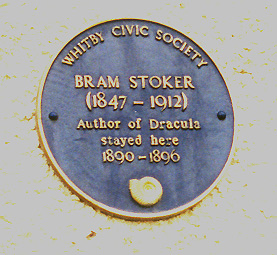
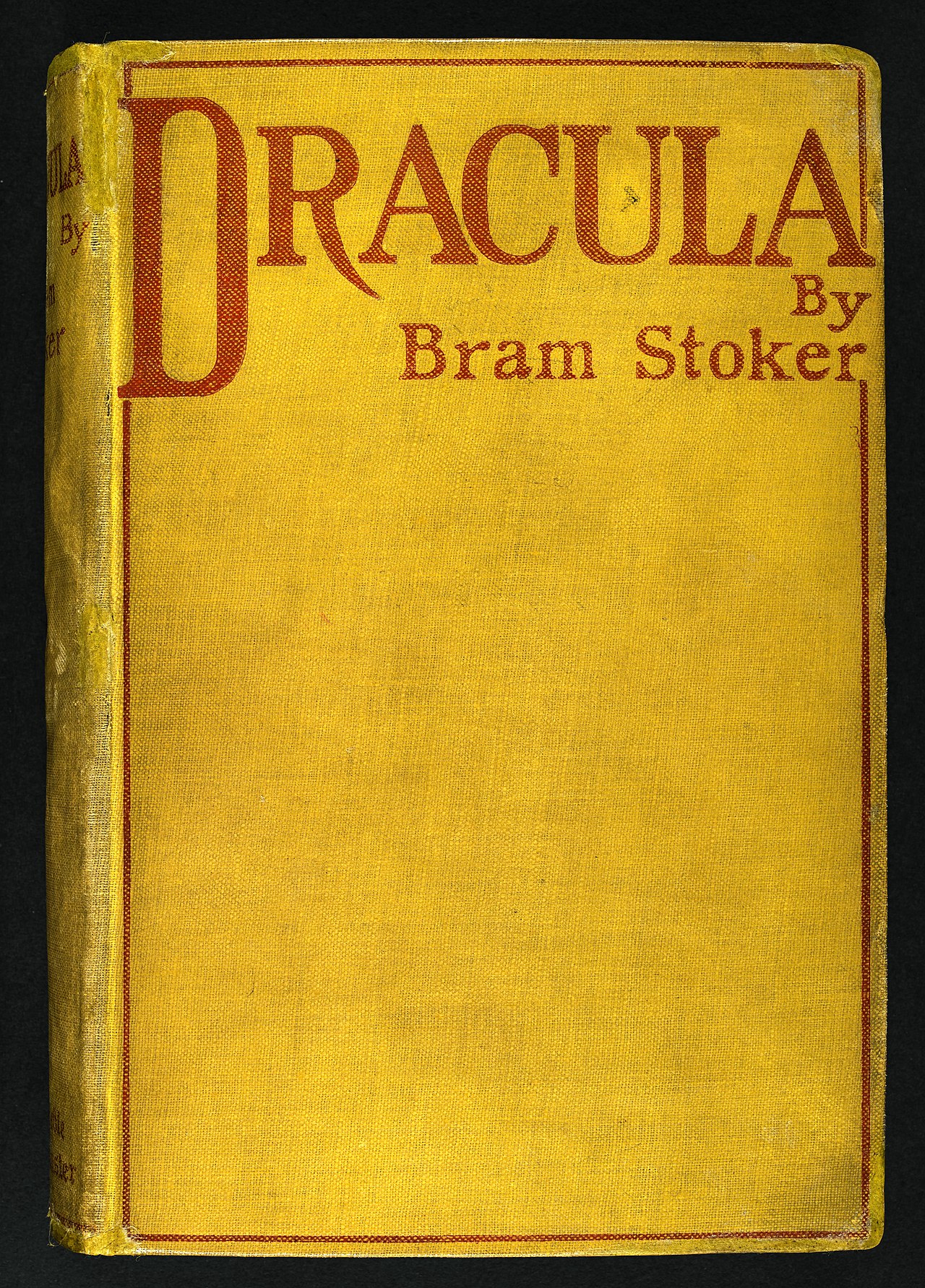
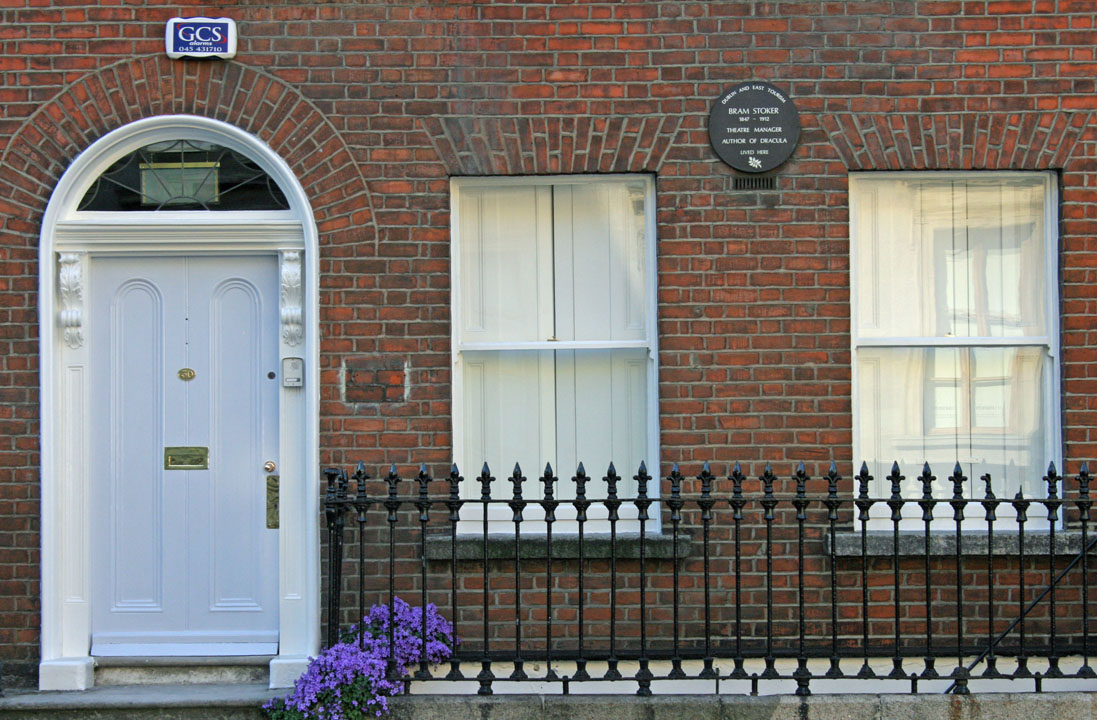
Abraham "Bram" Stoker (8 November 1847 – 20 April 1912) was an Irish writer and theatre manager whose best-known work is the gothic vampire novel Dracula. Stoker combined Victorian anxieties with folklore and scientific curiosity to create a novel that has had lasting influence on the depiction of the vampire in literature and film.
Image gallery
9 Images





Life and career
Born and raised in Dublin, Stoker studied at Trinity College and became active in the city's literary and theatrical circles. He worked for a time in the civil service and later built a long professional relationship with the actor-manager Sir Henry Irving, serving as business manager of the Lyceum Theatre in London. This position gave Stoker practical experience in storytelling, stagecraft and public life that informed his fiction and non-fiction writing.
Major works and style
Stoker wrote novels, short stories and biographies. His best-known book, Dracula, is notable for its epistolary structure—diaries, letters and newspaper clippings—that assemble multiple viewpoints into a suspenseful narrative. Other works explore supernatural themes, adventure and ancient mysteries.
- Dracula – the defining vampire novel, widely adapted and interpreted.
- Novels and stories addressing Egyptian curses, Balkan settings, and Gothic tropes.
- Biographical and theatrical writing, including reminiscences of Henry Irving.
Themes and influence
Stoker's fiction mixes Gothic atmosphere, medical and scientific language of his era, and anxieties about sexuality, empire and modernity. Dracula helped codify vampire conventions—blood as sustenance, nocturnal predation, the charismatic antagonist—and influenced countless later works in literature, theatre and film. While the novel has sometimes been linked to historical figures such as Vlad the Impaler, scholars note that direct inspiration is debated and that Stoker synthesized multiple sources.
Legacy and notable facts
Today Stoker is remembered primarily for shaping modern popular notions of the vampire and for a compact but varied body of work that ranges from supernatural thrillers to theatrical memoir. His methods—interweaving documents and voices, and merging folklore with contemporary concerns—remain a model for suspenseful storytelling in the Gothic tradition.
Related articles
Author
AlegsaOnline.com Bram Stoker: life, works and legacy of the author of Dracula Leandro Alegsa
URL: https://en.alegsaonline.com/art/115531