
Falstaff: Shakespeare’s Boisterous Knight and His Cultural Legacy
Sir John Falstaff is a large, witty, and roguish character in three Shakespeare plays whose comic bravado, moral ambiguity and memorable speeches shaped literature and later musical and theatrical works.
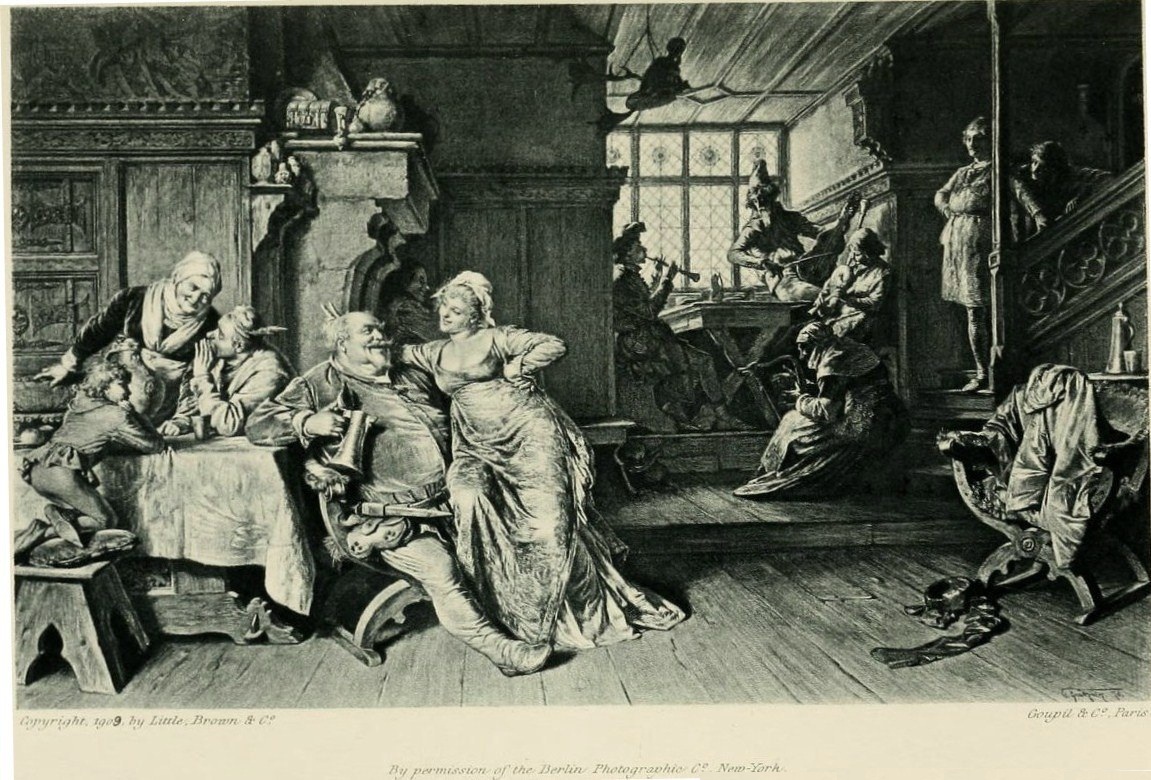
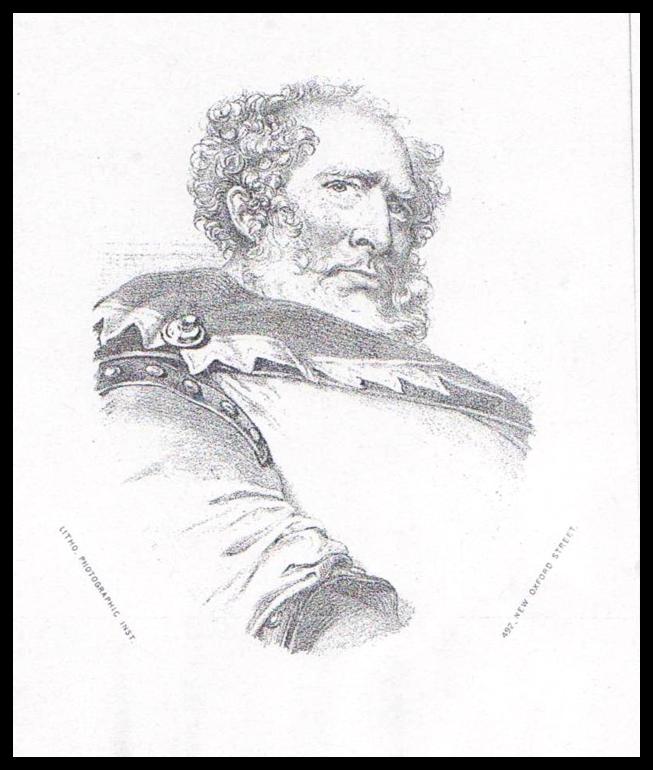
Sir John Falstaff is one of William Shakespeare’s most vivid comic creations. He appears in three plays—two parts of Henry IV and The Merry Wives of Windsor—where he functions as a companion, corrupter and foil to Prince Hal (the future King Henry V). Falstaff is memorable for his large physical presence, outrageous self-confidence, loquacious humour and a blend of cowardice and earthy shrewdness that makes him both laughable and oddly sympathetic.
Image gallery
10 Images


Character and traits
Falstaff is portrayed as corpulent, verbally inventive and fond of drink, gambling and flamboyant exaggeration. He claims grand virtues and dares, yet often shirks danger; this contradiction is central to his comic appeal. Shakespeare uses Falstaff’s speeches to explore human self-deception, social hypocrisy and the limits of honour. The character’s language is rich in irony and rhetorical flourish; even when he is morally dubious, he delivers lines that reveal a practical — if amoral — worldview.
Role in Shakespeare’s plays
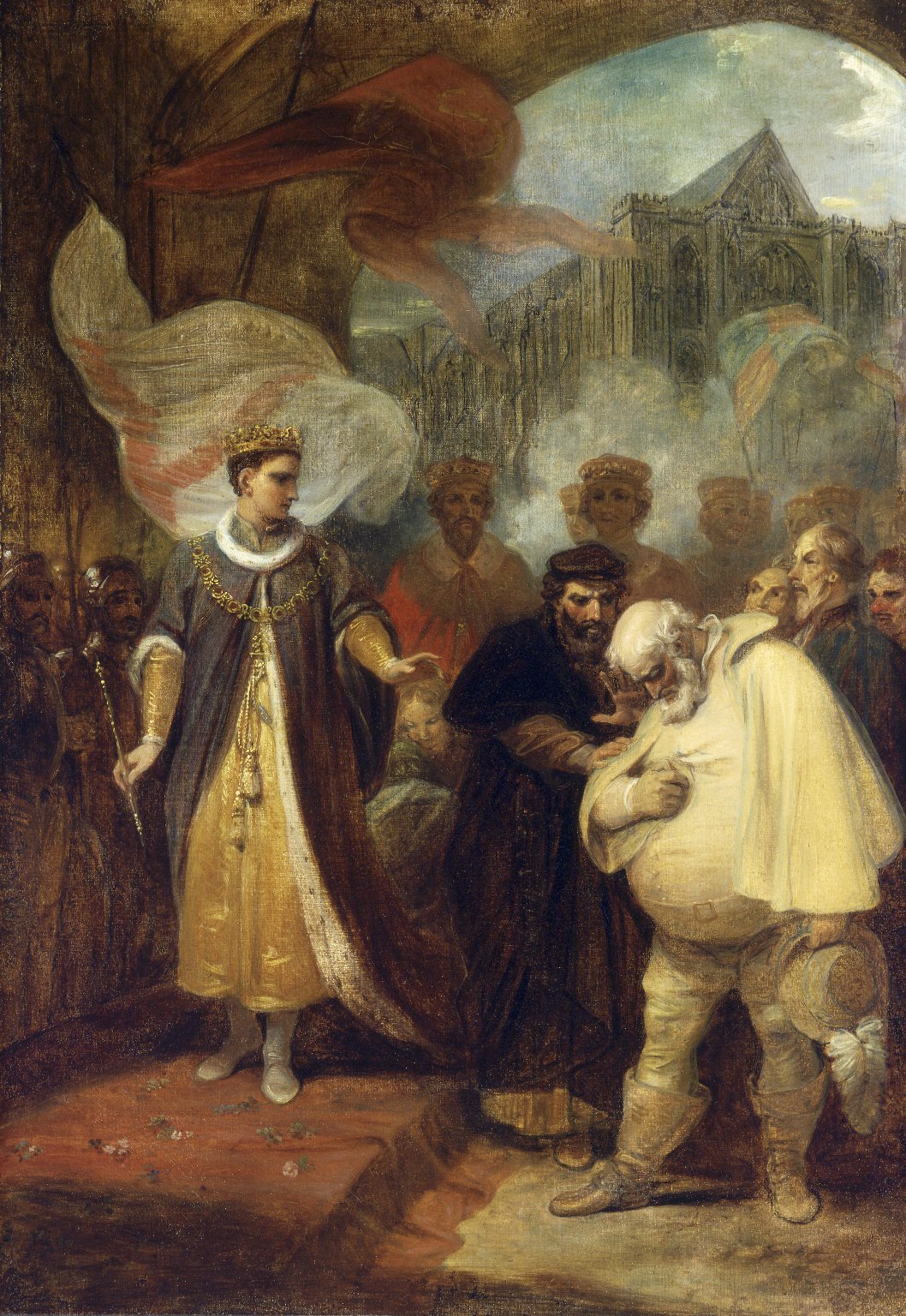
In the two Henry IV plays, Falstaff is a companion of Prince Hal and a leader among a circle of disreputable companions. He provides comic relief but also embodies the temptations of youth that Hal must leave behind before ascending the throne. The relationship culminates in a famous scene after Hal becomes king, when the monarch publicly rejects Falstaff, an emotional turning point that contrasts carnival licence with royal responsibility. Falstaff also headlines The Merry Wives of Windsor, where he pursues foolish romantic schemes that expose his vanity and result in elaborate practical jokes.
Famous ideas and speeches
Falstaff speaks on subjects that range from matter-of-fact cynicism to unexpectedly profound observation. One of his best-known arguments occurs before battle, when he ridicules the worth of martial honour as useless rhetorical praise that does not pay debts or prevent wounds. Through such speeches Shakespeare lets laughter coexist with philosophical insight: Falstaff’s comic self-interest becomes a vehicle for broader commentary on social values.
Origins and historical associations
Scholars have long debated whether Falstaff has a single historical model. Names frequently suggested include Sir John Fastolf and Sir John Oldcastle; the latter connection is notable because an early version of the character reportedly bore Oldcastle’s name before being changed, apparently in response to objections from Oldcastle’s descendants. Rather than a precise portrait, Falstaff seems to be a literary composite drawing on popular types—a swaggering soldier, a town rogue, and a self-promoting courtier.
Adaptations and cultural influence
Falstaff has inspired many later artists. Giuseppe Verdi adapted the character in his comic opera Falstaff, often praised as one of the composer’s mature masterpieces; the composer himself is also frequently linked with the work in discussions of musical comedy (Verdi). Ralph Vaughan Williams created the opera Sir John in Love, and Edward Elgar wrote an orchestral study titled Falstaff. Earlier musical theatre treatments and operatic scenes drew on The Merry Wives of Windsor as well: Carl Otto Nicolai’s setting is one such example. The plays and their central rogue have been staged and adapted in countless theatrical and film productions, and Falstaff’s speeches remain staples in studies of Shakespearean comedy and characterisation.
Why Falstaff endures
- Complex comic figure: he combines buffoonery, eloquence and moral ambiguity.
- Relatable human foibles: self-deception, vanity and survival instincts resonate across eras.
- Dramatic function: his companionship with Prince Hal clarifies themes of growth, responsibility and the cost of power.
For readers seeking primary texts or scholarly overviews, editions of Shakespeare’s history plays and comedies treat Falstaff as a central subject. General references and dedicated studies offer deeper analysis of his language, social role and the many ways artists have reinterpreted him on stage and in music. See also the character entry and play pages for additional context: character overview, Shakespeare’s plays, Prince Hal, and the edition of The Merry Wives of Windsor.
Related articles
Author
AlegsaOnline.com Falstaff: Shakespeare’s Boisterous Knight and His Cultural Legacy Leandro Alegsa
URL: https://en.alegsaonline.com/art/33418