
The Tenant of Wildfell Hall
A novel by Anne Brontë (published 1848 as Acton Bell). A framed first‑person narrative with a woman's enclosed diary that explores marriage, abuse, and moral independence.
Overview
The Tenant of Wildfell Hall is a novel by Anne Brontë, first published in 1848 under the pseudonym Acton Bell. The story is told primarily through a framed first‑person account by Gilbert Markham and an enclosed diary written by the novel's heroine. Its plot follows the arrival at Wildfell Hall of a mysterious woman who calls herself Helen Graham and the consequences that ripple through a rural Yorkshire community.
Image gallery
10 Images
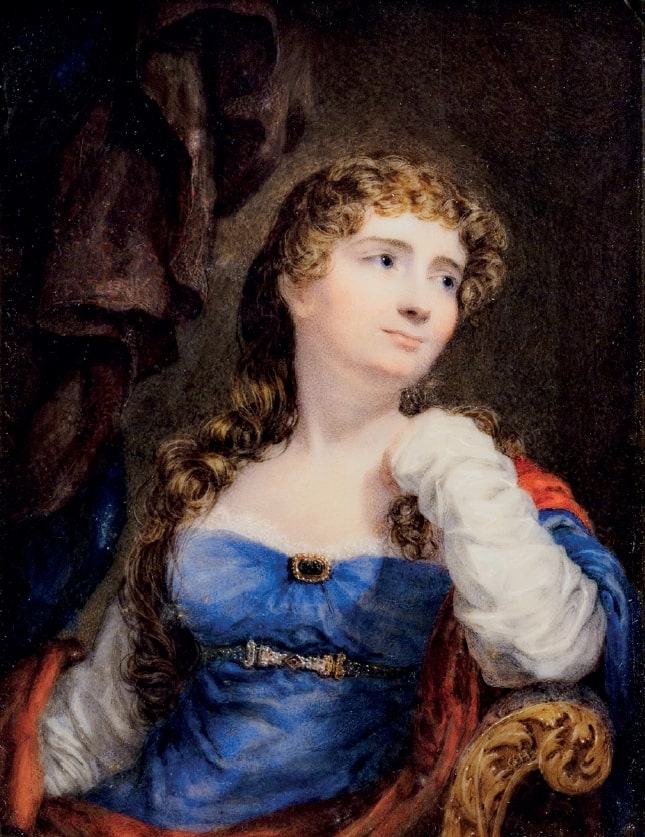




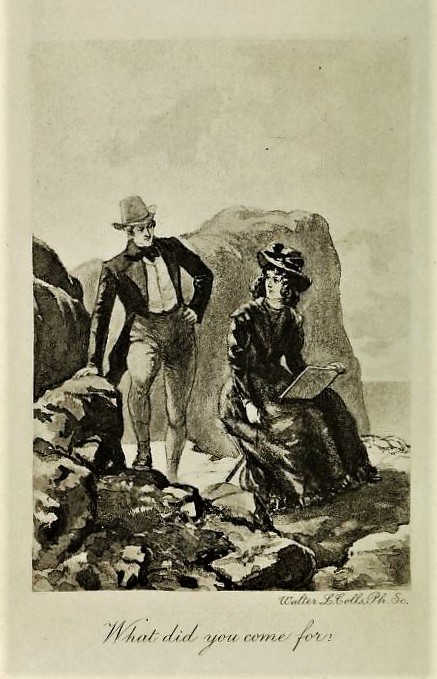
Structure and principal characters
The book uses a layered narrative: Gilbert's letters and recollections introduce events and later print the contents of Helen's own journal, which reveal her past life, marriage, and reasons for leaving. Key figures include Helen Graham (also known by her married name, Helen Huntingdon), her abusive and dissipated husband, and Gilbert Markham, who becomes linked to her by circumstance and affection. The diary segment provides most of the psychological and factual detail about the domestic conflict at the heart of the novel.
Themes and style
The Tenant confronts several interrelated themes: the legal and social constraints on married women in the nineteenth century; the effects of alcoholism and moral decay; parental responsibility and the protection of children; and the possibility of female agency achieved through self‑reliance. Anne Brontë's manner is noted for its plainspoken realism, moral seriousness, and attention to the details of everyday life rather than romantic Gothic excess.
Historical context and publication
Published soon after Anne Brontë's debut, the novel appeared in the same era as the better‑known works by her sisters. It was released under a male pseudonym, a common practice then, and immediately provoked discussion about its candid treatment of marital failure and impropriety. Contemporary readers divided between admiration for its honesty and discomfort with its critique of social norms.
Reception and legacy
Initial reviews ranged from praise for moral clarity to criticism of frank subject matter. Over subsequent decades the book has been reassessed by scholars and readers who value its forceful depiction of a woman's struggle for self‑preservation and its contribution to social realism. It is frequently discussed in studies of nineteenth‑century domestic fiction and early feminist writing.
Notable distinctions and further reading
- The Tenant differs from many contemporary novels by foregrounding a woman's testimony in the form of a diary and by depicting separation from an abusive husband as a morally defensible act.
- It is Anne Brontë's second and final novel and is often compared with her sister's works for its subdued style and ethical focus. See commentary on the author: Anne Brontë, and on the novel as a published work.
- For narrative framing and epistolary technique, see introductions to frame narratives and letters in nineteenth‑century fiction: context and critical notes at further sources and literary overviews.
Readers approaching the novel today often find its direct treatment of domestic injustice and its insistence on female moral integrity unexpectedly modern. The Tenant of Wildfell Hall remains a significant work for those studying gender, law, and family in Victorian literature.
Related articles
Author
AlegsaOnline.com The Tenant of Wildfell Hall Leandro Alegsa
URL: https://en.alegsaonline.com/art/98967