
C. S. Lewis
British writer, literary scholar and Christian apologist best known for The Chronicles of Narnia, influential essays and academic posts at Oxford and Cambridge.
Overview
Clive Staples Lewis (1898–1963), commonly known as C. S. Lewis, was a British writer and scholar whose work spans imaginative fiction, literary criticism and Christian apologetics. He gained widespread readership through a mix of fantasy storytelling, clear prose on faith and reason, and academic studies. Lewis's career combined popular books that reached general readers with university teaching and critical essays aimed at specialists. He is often introduced simply as a novelist of fantasy and an apologist for Christianity, but his output was more varied and influential across different audiences.
Image gallery
10 Images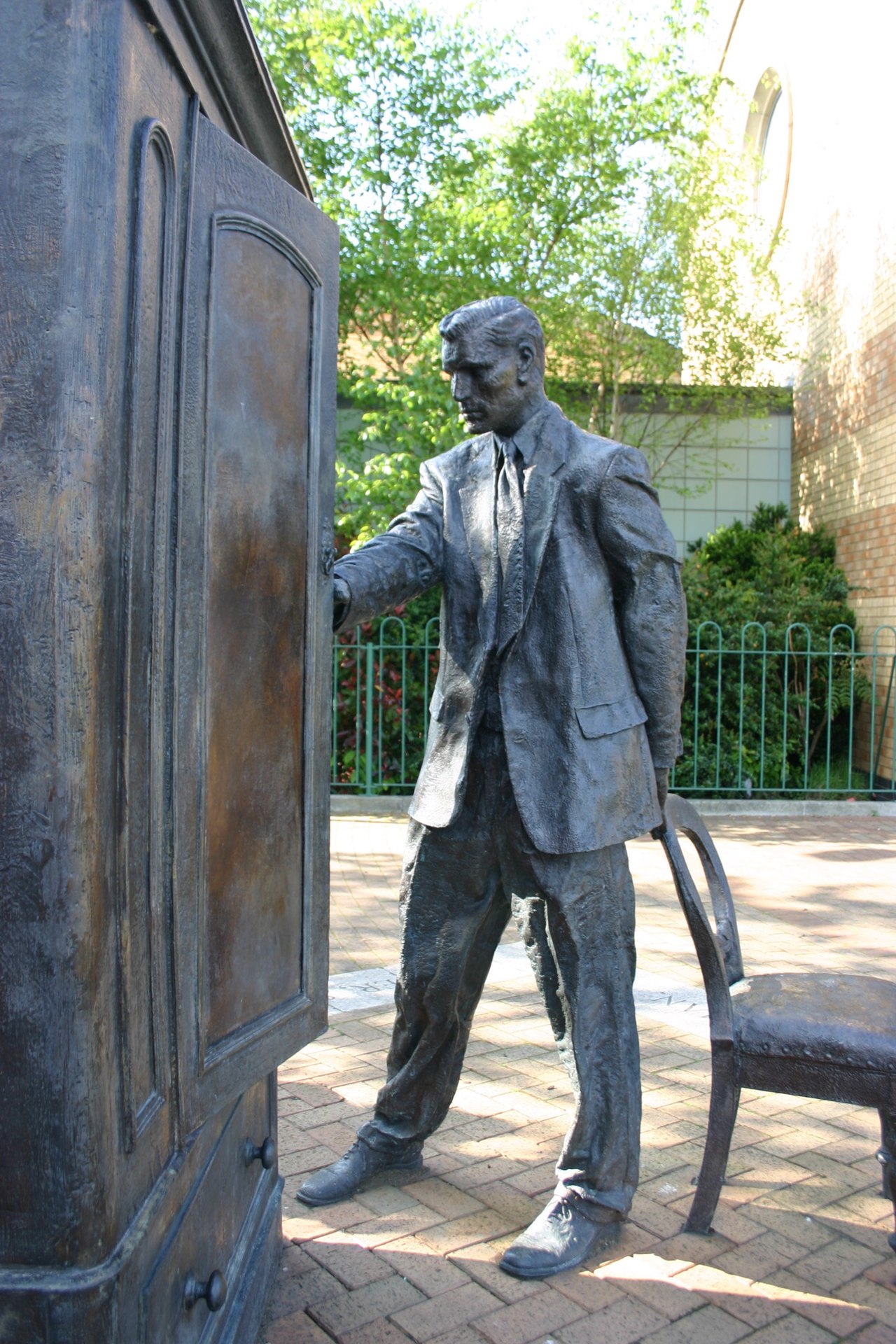





Life and career
Lewis was born in Belfast, Northern Ireland, and later served as a fellow and tutor in English literature at the University of Oxford before accepting the chair of medieval and renaissance English at the University of Cambridge. His academic reputation was built on clear explications of medieval and Renaissance texts as well as modern fiction, and he became known as an engaging teacher and public lecturer. Colleagues and students remembered him for combining rigorous scholarship with approachable language.
Major works and themes
Lewis wrote across genres: children's and adult fiction, theological essays, apologetic works and literary criticism. His most widely read series is The Chronicles of Narnia, a seven-book cycle that mixes myth, Christian symbolism and adventure. Among his Christian writings, apologetics such as The Screwtape Letters and the radio-turned-book presentation Mere Christianity remain frequently cited introductions to Christian thought. Lewis also published collections of essays on literature, morality and imagination that illustrate recurring themes: the tension between reason and feeling, the role of myth, and the moral formation of character.
Selected works
- The Chronicles of Narnia (series) — imaginative fantasy for children and adults; includes Christian allegorical elements. (series overview)
- Mere Christianity — accessible presentation of central Christian beliefs. (read more)
- The Screwtape Letters — satirical epistolary novel exploring temptation and moral choice. (text)
- Literary criticism and essays — studies of medieval literature and analyses of modern fiction.
Personal life, influence and adaptations
Lewis married American writer Joy Davidman in the 1950s; her illness and death affected his later writings on grief and faith. He died in Oxford, England. Translations and adaptations have extended his reach—his works have been translated into more than 30 languages and adapted for stage, radio, television and film. Notable adaptations of Narnia titles have brought Lewis's storytelling to global popular culture and introduced his themes to new generations.
Legacy and distinctions
Lewis's reputation rests on his ability to combine scholarship and popular expression. He is remembered both as a serious literary critic and as a writer whose imaginative fiction invites reflection on moral and spiritual questions. His apologetic writings continue to be used as introductions to Christian belief, and his fiction continues to be read for its narrative craft and symbolic richness. For further scholarly and popular resources about his life and work see biographical summaries, collections of criticism (academic), and general introductions to his fiction and theology (fantasy, apologetics, Christian). For more on adaptations and editions, consult film and publishing histories (Narnia adaptations, translations).
Readers seeking introductory material may start with a selection of essays or a single accessible book such as Mere Christianity, then move to the Narnia series or to shorter fiction like The Screwtape Letters. Academic readers can consult collected essays and lectures from his tenure at Cambridge and Oxford for deeper context on his critical method and historical interests.
Author
AlegsaOnline.com C. S. Lewis Leandro Alegsa
URL: https://en.alegsaonline.com/art/135947