
First-person narrative
A narrative mode in which a story is told from a single character’s perspective using first-person pronouns; covers traits, variations, history, uses, and distinctions from other points of view.
Overview
First-person narrative is a literary mode in which the storyteller recounts events from their own perspective, typically using pronouns such as I, me, and my. The voice on the page represents the perceptions, memories and judgments of that narrator rather than an omniscient authorial viewpoint. A work may present a single continuous first-person viewpoint or combine accounts from several different speakers, but the core feature is that the reader experiences the story through the consciousness of one or more individuals rather than an external observer. For a concise reference to this idea, think of a tale told by one character at a time.
Image gallery
1 Image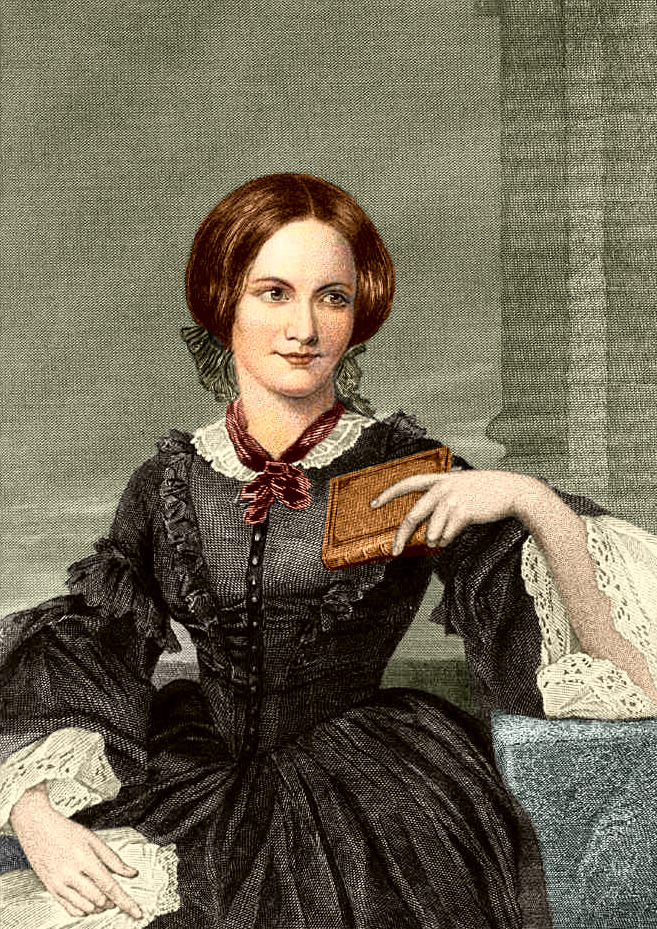
Key characteristics
First-person narration produces a distinct shape of storytelling. Important characteristics include:
- Subjective perspective: events are filtered through the narrator’s knowledge, opinions and emotions.
- Limited awareness: the narrator cannot reliably report things they did not witness or know unless the plot supplies that information.
- Distinctive voice: language, tone and rhythm reflect the narrator’s personality and background.
- Immediacy and intimacy: readers often feel closer to the narrator’s inner life than they do in impersonal narration.
- Potential unreliability: the narrator may misremember, lie, exaggerate or misinterpret events.
History and notable examples
First-person narration appears across historical periods and genres. It is central to memoir and autobiography, and it has been used in novels, short stories, epistolary works and some forms of drama. Classic and modern examples include novels such as Jane Eyre and The Catcher in the Rye, where the protagonist’s voice shapes the entire account, and works that use multiple first-person narrators or diary and letter forms, like Dracula. The technique has roots in oral storytelling traditions and has been adapted continually as writers explore psychological depth and narrative complexity.
Variations and techniques
Authors use several approaches within first-person narration:
- Single narrator: one continuous voice carrying the narrative.
- Multiple narrators: alternating first-person accounts to present different viewpoints.
- Epistolary or diary form: story delivered through letters, journal entries or recorded testimony.
- Interior monologue or stream of consciousness: close access to thought processes and sensory impressions.
Uses, effects and limitations
Writers choose first-person for its ability to create empathy, convey internal conflict, and cultivate distinct narrative tones. It is especially effective in coming-of-age stories, confessional narratives, detective fiction where the narrator is an investigator, and in any work that relies on subjective judgment. Limitations include the difficulty of portraying events outside the narrator’s knowledge and the need to justify gaps in information without stretching plausibility.
Distinctions and considerations
First-person differs from third-person narration by its inherent partiality: third-person can be omniscient or limited from an external stance, whereas first-person is rooted in a single mind. Readers and critics often analyze whether a first-person narrator is reliable, how the narrator’s social identity shapes perception, and how author and narrator relate. When used skillfully, first-person narration can be a powerful means to explore character, truth and the act of storytelling itself.
Related articles
Author
AlegsaOnline.com First-person narrative Leandro Alegsa
URL: https://en.alegsaonline.com/art/34585