
Elasmobranchii: sharks, rays and skates — biology, roles and conservation
Elasmobranchii are cartilaginous fishes including sharks, rays and skates. This article summarizes their anatomy, life history, ecological roles, human uses and conservation challenges.
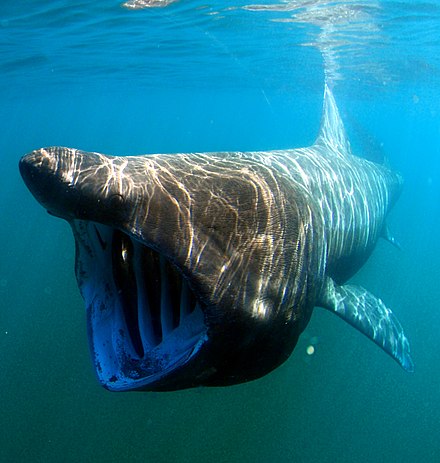
Elasmobranchii is the subclass of cartilaginous fishes that comprises modern sharks, rays and skates. Formally placed within Chondrichthyes, elasmobranchs are distinct from bony fishes in having skeletons made mainly of cartilage rather than bone. The group is sometimes referred to simply as "elasmobranchs" and in broader treatments is identified as a living lineage that includes a wide variety of body plans adapted to pelagic, demersal and benthic environments (subclass Elasmobranchii).
Image gallery
10 Images




Key characteristics
Elasmobranchs share a suite of anatomical features that set them apart from other fishes. Their skeleton is cartilaginous; the skin is covered with small, tooth-like dermal denticles rather than typical fish scales; respiration is through exposed gill slits rather than a bony operculum; and many species possess two dorsal fins and a heterocercal tail in sharks. They lack a gas-filled swim bladder and instead regulate buoyancy mainly with large, oily livers. This absence is often noted in comparative anatomy and physiology discussions (swim bladder absence).
Sensory systems and reproduction
Elasmobranchs are equipped with sensitive sensory systems. A lateral line detects water movements, while specialized electroreceptive organs (the ampullae of Lorenzini) sense weak electric fields produced by prey. Reproductive modes vary: species may be oviparous (egg-laying), ovoviviparous (eggs hatch internally) or viviparous (live-bearing with placental-like nourishment). These life-history traits often include slow growth, late maturity and relatively low fecundity compared with many bony fishes.
Ecological roles and importance
As predators, scavengers and filter-feeders, elasmobranchs occupy diverse trophic positions. Sharks can be apex or mesopredators, helping regulate prey populations and maintain ecosystem balance. Rays and skates often act as important benthic predators, influencing invertebrate communities on sea floors. Some large species are filter-feeders and contribute to nutrient cycling across oceanic habitats.
Human interactions and uses
Humans have long exploited elasmobranchs for meat, fins, liver oil and other products. Deep-sea species with large livers have been targeted because their oil is rich in squalene and other compounds; fisheries have singled out species such as school, gulper and basking sharks for this reason (liver oil fisheries). These economic uses have raised conservation concerns.
Conservation status and threats
Because many elasmobranchs mature late and produce few offspring, populations are particularly vulnerable to over-exploitation. Widespread threats include targeted fishing, bycatch, habitat degradation and practices such as finning. Several commercially exploited deep-sea and coastal species have been assessed as at risk by conservation authorities (IUCN assessments), and overfishing is a principal driver of declines in many regions (overfishing).
Distinctions within the group
- Sharks — usually active, often predatory fishes with a streamlined body and multiple rows of replaceable teeth (sharks).
- Rays — dorsoventrally flattened, often with enlarged pectoral fins forming a disc and diverse feeding strategies (rays).
- Skates — similar to rays but generally lay egg cases and have different tail and fin structures (skates).
Conservation responses include fishing restrictions, protected areas, bycatch reduction measures and trade controls. Awareness of the biological vulnerability of elasmobranchs has grown in scientific and management communities, prompting targeted efforts to monitor populations and reduce unsustainable removals. For accessible summaries and more technical resources see the linked material above.
Related articles
Author
AlegsaOnline.com Elasmobranchii: sharks, rays and skates — biology, roles and conservation Leandro Alegsa
URL: https://en.alegsaonline.com/art/30599
Sources
- doi.org : 10.1671/0272-4634(2001)021[0693:ANCFTW]2.0.CO;2
- iucnredlist.org : "Cetorhinus maximus"
- doi.org : 10.2305/IUCN.UK.2005.RLTS.T4292A10763893.en
- iucnredlist.org : "Galeorhinus galeus (School shark)"
- iucnredlist.org : "Centrophorus granulosus"
- worldcat.org : 945675149