
Chondrichthyes (Cartilaginous Fishes): sharks, rays, skates and chimaeras
Chondrichthyes are jawed fishes with skeletons of cartilage rather than bone. Includes sharks, rays, skates and chimaeras; covers anatomy, classification, ecology, evolution and conservation.
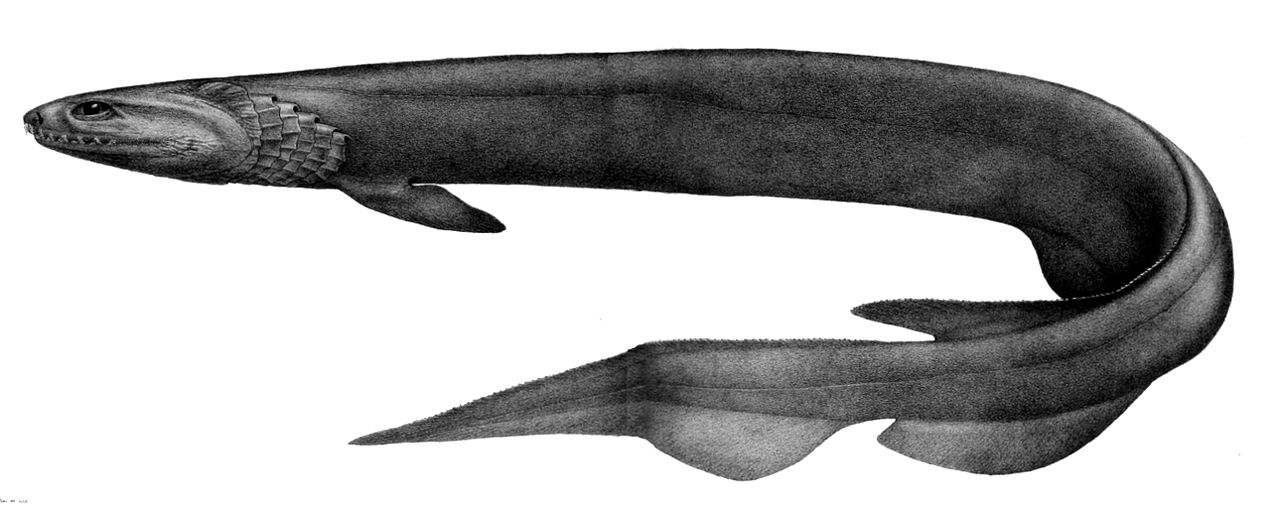
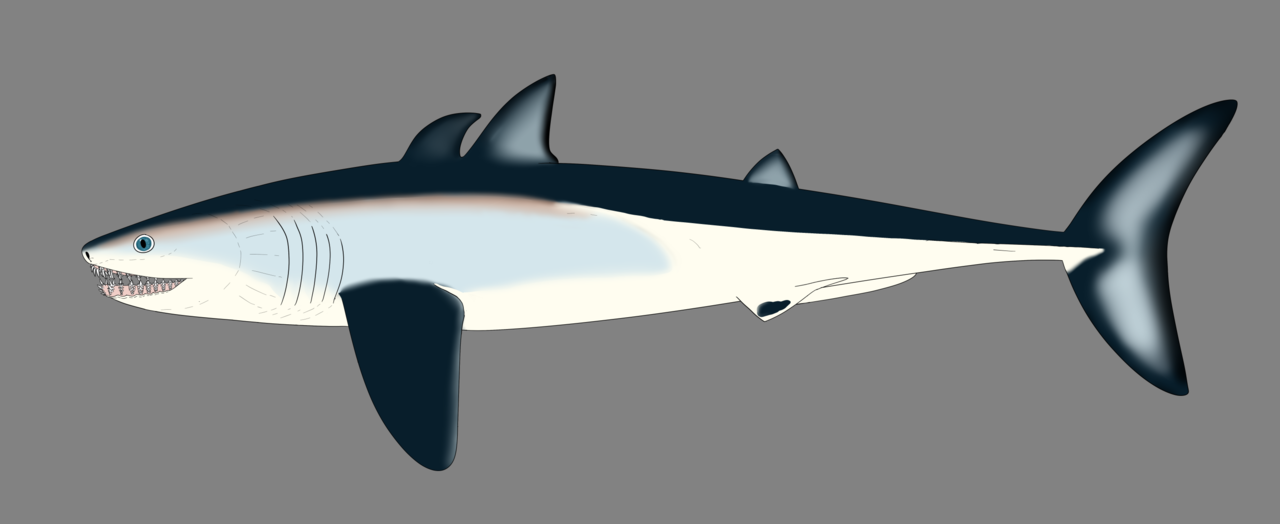
Chondrichthyes is a class of jawed fishes whose internal skeleton is composed primarily of cartilage rather than true bone. Members of this group are commonly called cartilaginous fishes and include familiar forms such as sharks, rays, skates and the lesser-known chimaeras. They are an ancient lineage with a long fossil history and many specialized adaptations for life in marine (and some freshwater) environments.
Image gallery
10 Images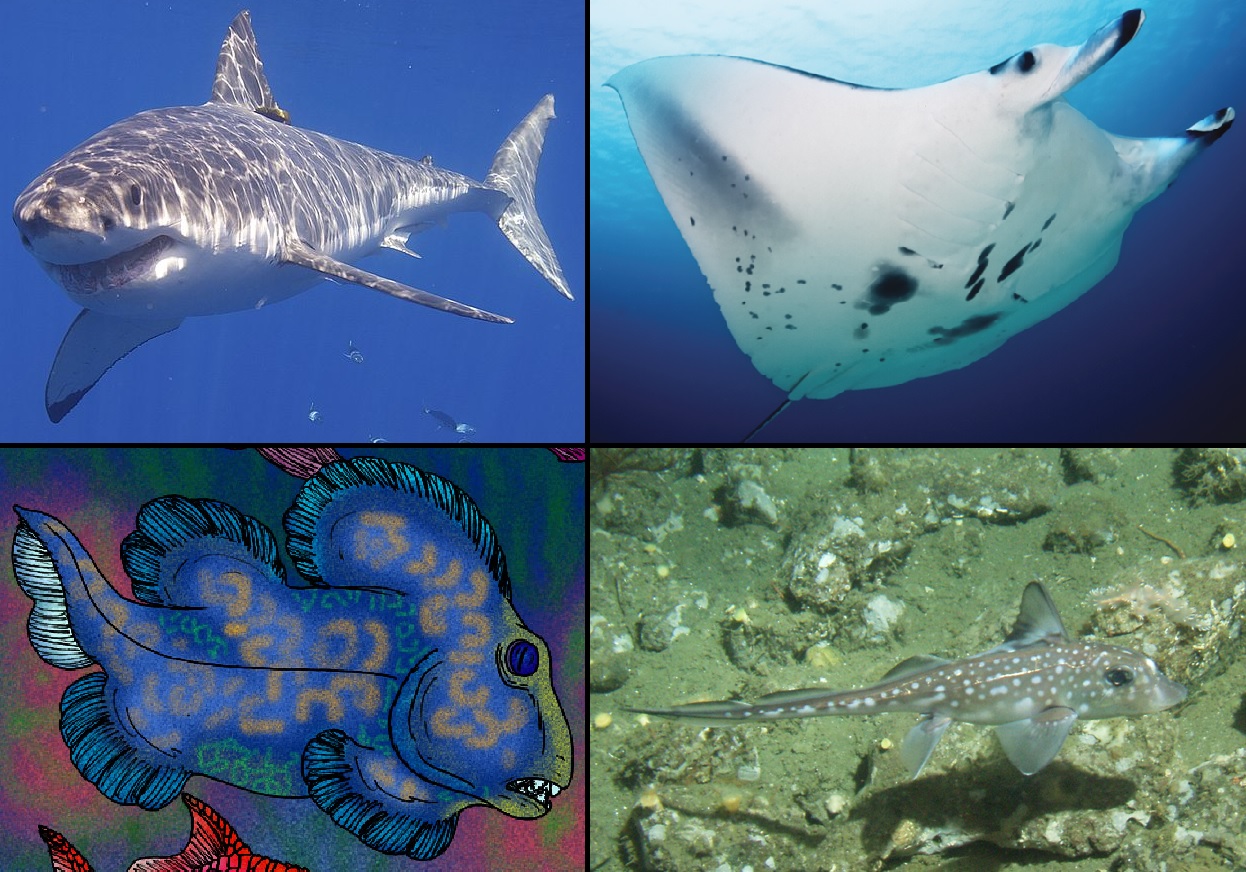




Defining features
Cartilaginous fishes share several consistent anatomical traits: paired fins, jaws with rows of replaceable teeth, and multiple gill slits. Many possess paired nostrils for chemoreception and a skin covered in tooth-like scales (placoid scales) rather than the scales of bony fishes. Their circulatory system includes a simple two-chambered heart, and their supporting structure is made of cartilage not bone, which affects buoyancy and growth patterns.
Anatomy and senses
Many chondrichthyans have specialized sensory systems: a lateral line for detecting water movement and electroreceptive organs (ampullae of Lorenzini) for sensing electric fields produced by prey. Reproductive modes vary across the group and include oviparity (egg-laying), ovoviviparity and viviparity (live-bearing), often with internal fertilization. Growth rates are generally slow and life histories tend toward late maturity and low reproductive output compared with many bony fishes.
Classification
The class is traditionally split into two subclasses. Elasmobranchii comprises the best-known species: sharks, rays and skates, which display a range of body shapes from streamlined predators to dorsoventrally flattened bottom-dwellers. The other group, Holocephali, contains the chimaeras (ghost sharks), a small clade with distinct skull and jaw structures and often deep-water habits.
Fossil evidence shows chondrichthyans have existed for hundreds of millions of years and have diversified into many ecological roles. Their skeletons preserve less readily than bone, so teeth and scales are most commonly found in the fossil record.
Ecology, human interactions and conservation
As predators and mesopredators, cartilaginous fishes play important roles in marine food webs and in maintaining ecosystem balance. Many species are targeted by fisheries for meat, fins and liver oil, and others suffer from bycatch, habitat loss and pollution. Because many chondrichthyans mature slowly and have low reproductive rates, populations can decline rapidly and recover only slowly; as a result, numerous species are of conservation concern and are subject to management and protection measures in many regions.
Distinctive anatomical and behavioral traits, their long evolutionary history, and their ecological importance make Chondrichthyes a key subject for marine biology, conservation science and fisheries management.
Questions and answers
Q: What are Chondrichthyes?
A: Chondrichthyes are cartilaginous fishes that include sharks and their relatives.
Q: What are the characteristics of Chondrichthyes?
A: Chondrichthyes have jaws and paired fins, paired nostrils, scales, two-chambered hearts, and skeletons made of cartilage rather than bone.
Q: How are Chondrichthyes classified?
A: Chondrichthyes are classified into two subclasses: Elasmobranchii (sharks, rays and skates) and Holocephali (chimaera, sometimes called ghost sharks).
Q: Do Chondrichthyes have bones in their skeletons?
A: No, Chondrichthyes have skeletons made of cartilage rather than bone.
Q: What are the two subclasses of Chondrichthyes?
A: The two subclasses of Chondrichthyes are Elasmobranchii (sharks, rays, and skates) and Holocephali (chimaera or ghost sharks).
Q: What do Chondrichthyes have instead of bones in their skeletons?
A: Chondrichthyes have skeletons made of cartilage instead of bones.
Q: What are some examples of Chondrichthyes?
A: Some examples of Chondrichthyes include sharks, rays, skates, chimaera, and ghost sharks.
Related articles
Author
AlegsaOnline.com Chondrichthyes (Cartilaginous Fishes): sharks, rays, skates and chimaeras Leandro Alegsa
URL: https://en.alegsaonline.com/art/19959
Sources
- species.wikimedia.org : Chondrichthyes
- doi.org : 10.1111/j.1463-6395.2008.00337.x
- paleodb.org : "Chondrichthyes"