
Electric fish: biology, function, evolution, and human relevance
Electric fish generate or detect electric fields. This article explains their organs and senses, differences between weakly and strongly electric species, evolution, examples, and scientific importance.
Overview
Electric fish are aquatic vertebrates that either produce electric fields or sense them. Species that produce electricity are commonly called electric fish; others that only detect fields are termed electroreceptive. The capacity to generate or perceive electric signals plays a central role in navigation, communication, predation and defence.
Image gallery
10 Images


Anatomy and mechanism
Animals that generate electricity possess specialized electric organs made of stacked cells called electrocytes. These cells create voltage differences when activated by the nervous system, producing an external field. Sensory cells tuned to electric fields—electroreceptors—allow many fishes to detect distortions in these fields. Both organs and receptors are adaptations of muscle or nerve tissue modified for electrical function.
Evolution and distribution
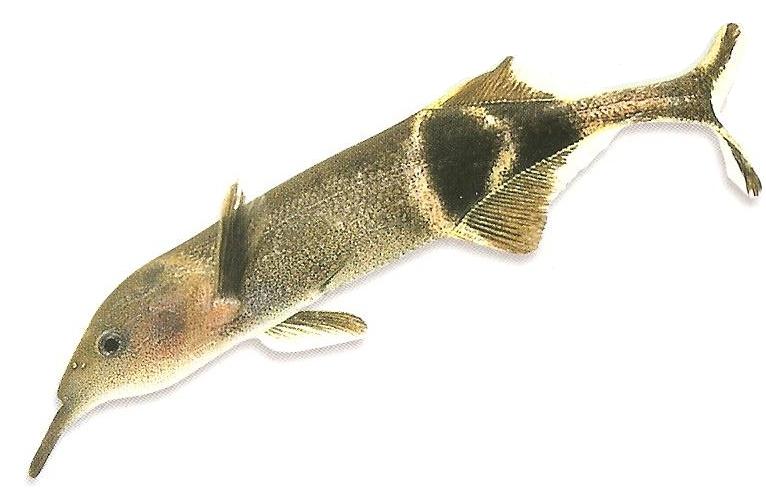
Electric organs and electroreception evolved independently in several fish groups, a clear example of convergent evolution. Strongly electric taxa and weakly electric taxa occur in freshwater and marine environments worldwide. Well known illustrate examples include the South American knifefish and the African elephantnose, while many marine species possess electroreceptors but do not generate fields.
Functions and behaviour
Electric signals serve different purposes. Weakly electric fish emit low-voltage discharges for orientation and social communication; they can sense distortions caused by objects or other animals. Strongly electric species use high-voltage discharges to stun prey or deter predators. In many cases the same sensory and electric systems are integrated for active electrolocation, social signalling and mating displays.
Distinctions and notable species
- Producers: electric knifefish, elephantfishes, electric eels and torpedo rays—species that generate measurable fields.
- Electroreceptive-only: many cartilaginous fishes such as sharks and rays, and some bony fishes like certain catfish, which detect fields but do not create them.
- Sensory systems: marine electroreception often involves ampullary receptors and is linked to electroreception studies.
Importance for science and people
Electric fish have been model organisms for neurobiology, sensory ecology and bioinspired engineering. Research on their electric organs and electroreceptors informs understanding of neural coding, signal processing and electrocommunication. For further general information on the group see an overview of electric fish and comparative resources on sensory biology (electric fish, electroreception).
These animals illustrate how similar ecological challenges can lead to repeated evolutionary solutions and remain important both in their ecosystems and as subjects of scientific and technological interest.
Related articles
Author
AlegsaOnline.com Electric fish: biology, function, evolution, and human relevance Leandro Alegsa
URL: https://en.alegsaonline.com/art/30672
Sources
- onlinelibrary.wiley.com : onlinelibrary.wiley.com/doi/abs/10.1111/j.1095-8649.2001.tb02307.x