
Elephant shrew (sengi): small African mammals of the order Macroscelidea
Elephant shrews, or sengis, are small African mammals with long flexible snouts, long hind legs, and diverse habits. They belong to the order Macroscelidea and are part of the Afrotheria group.
Overview
The elephant shrew, commonly called a sengi, is a small-bodied African mammal known for its elongated, flexible snout that resembles a tiny proboscis. Sengis vary in size from mouse-like to rat-sized and occupy a range of habitats across sub-Saharan Africa, from dry scrub to dense woodland. They belong to the order Macroscelidea and are distinct from true shrews despite a superficial resemblance; the two groups are only distantly related. For a simple size comparison see related species.
Image gallery
10 Images
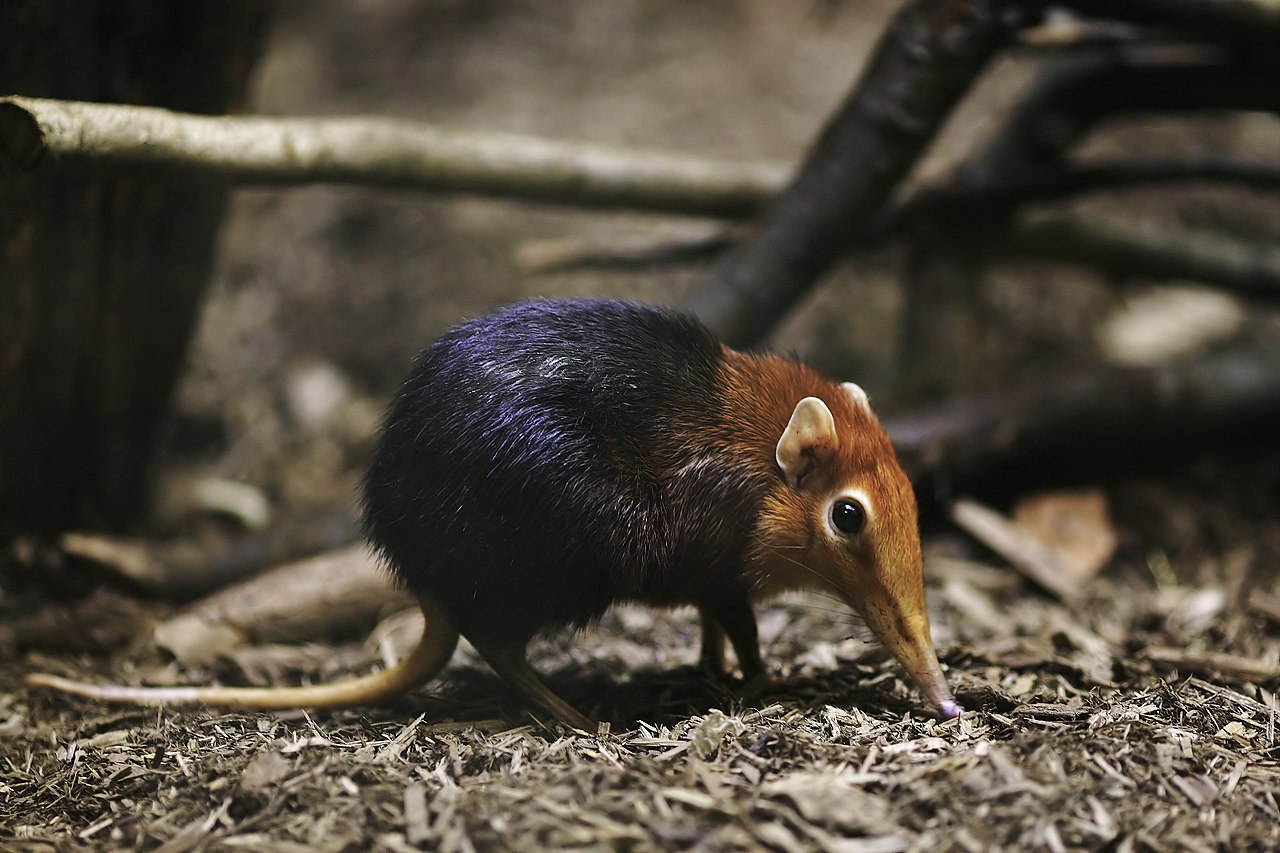


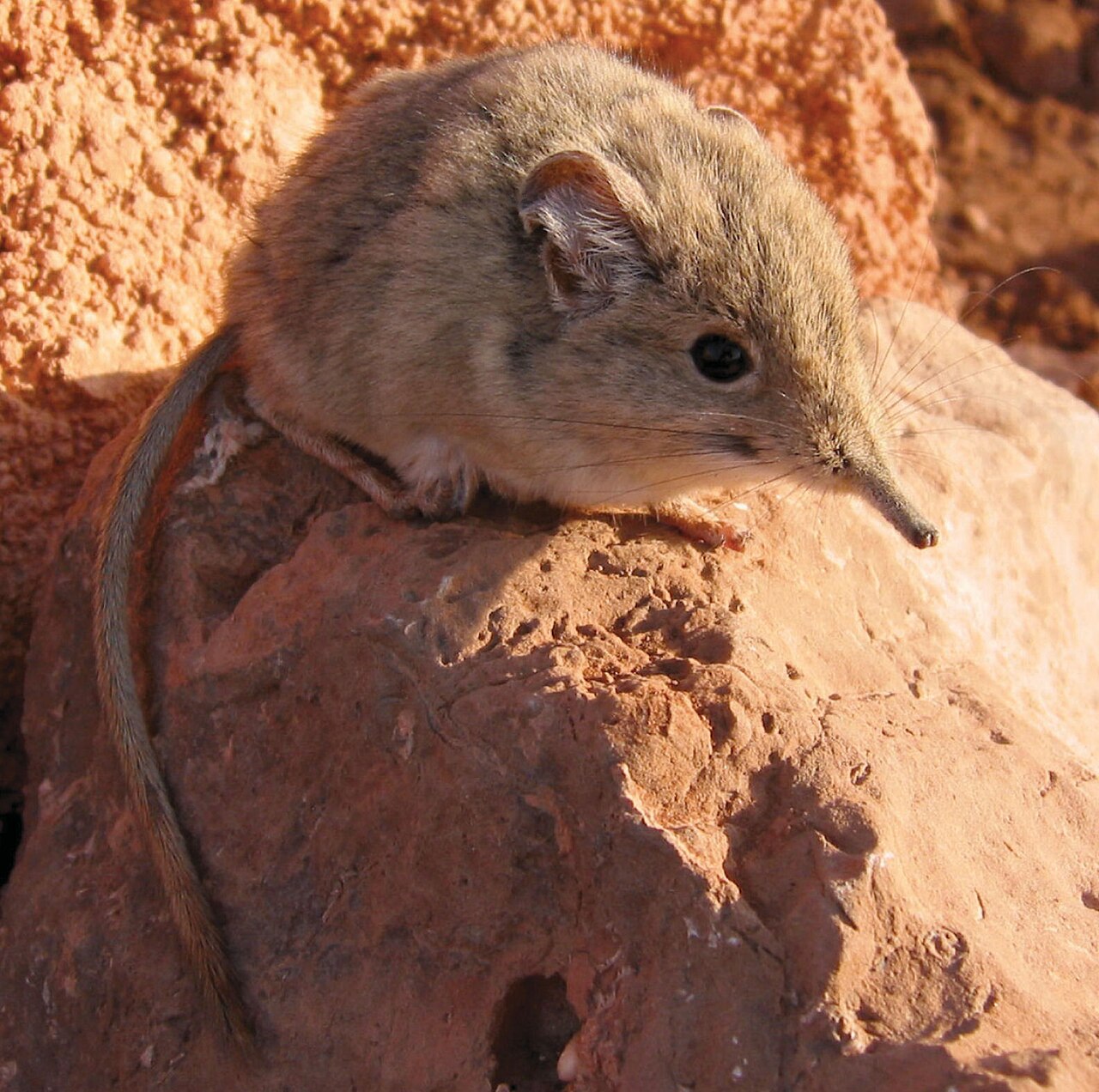

Physical characteristics
Elephant shrews share a compact body, long hind limbs adapted for rapid running or hopping, a pointed flexible snout used to probe for food, and a long tail that helps with balance. Fur color ranges from sandy to gray or reddish tones that help with camouflage. Several genera are familiar to naturalists, including Elephantulus and Macroscelides.
- Long tapering snout for probing and scent detection
- Strong hind legs for quick terrestrial movement
- Keen sense of smell and eyesight
- Diet largely composed of insects and other small invertebrates
- Tendency to run along well-worn trails within their territories
Taxonomy and evolutionary history
Placed in the mammalian order Macroscelidea, elephant shrews were historically associated with insectivorous groups because of their diet and small size. Molecular studies in the late 20th century showed they belong to the Afrotheria, a clade that also includes elephants, hyraxes and sea cows, altering earlier assumptions about their relationships. This deeper affinity reflects shared ancient origins on the African continent rather than close similarity in appearance; see a regional overview African mammals and taxonomic resources mammal databases.
Behavior, diet and habitat
Sengis are primarily insectivorous, feeding on ants, termites, beetles and other arthropods, and they supplement their diet with small vertebrates or plant matter on occasion. Many species are diurnal and maintain complex networks of scented trails and runways beneath vegetation. Some form monogamous pairs that defend territories; others have different social structures depending on species and environment. For comparison with true shrews and other insectivores consult shrew references and sources on insectivore ecology.
Conservation and human significance
Population trends vary: several sengi species are common where habitat persists, while others face pressures from habitat loss, fragmentation and predation. Their role as insect predators contributes to ecosystem balance, and their unusual evolutionary position makes them of interest to scientists studying African mammal evolution. Conservation assessments and protective measures depend on local surveys; further reading on related taxa and conservation strategies is available via Afrotheria resources.
Notable distinctions
Despite their name, elephant shrews are neither true shrews nor closely related to rodents. The "elephant" part refers only to the snout, while their closest affinities are with other African-origin mammals. Their combination of speed, scent-marking behaviour and distinctive morphology make them a distinctive and ecologically important element of sub-Saharan mammal faunas.
Related articles
Author
AlegsaOnline.com Elephant shrew (sengi): small African mammals of the order Macroscelidea Leandro Alegsa
URL: https://en.alegsaonline.com/art/30785