
Skate (fish)
A flattened, cartilaginous fish of the family Rajidae. Skates are bottom-dwelling relatives of rays, with oviparous reproduction, thorned backs, and more than 200 species worldwide.
For the act of ice or inline skating see skating. In marine biology, skates are cartilaginous fishes in the family Rajidae, placed within the order Rajiformes. As members of the class Chondrichthyes, they are close relatives of the true rays and share the same basic body plan but differ in several important ways.
Image gallery
8 Images


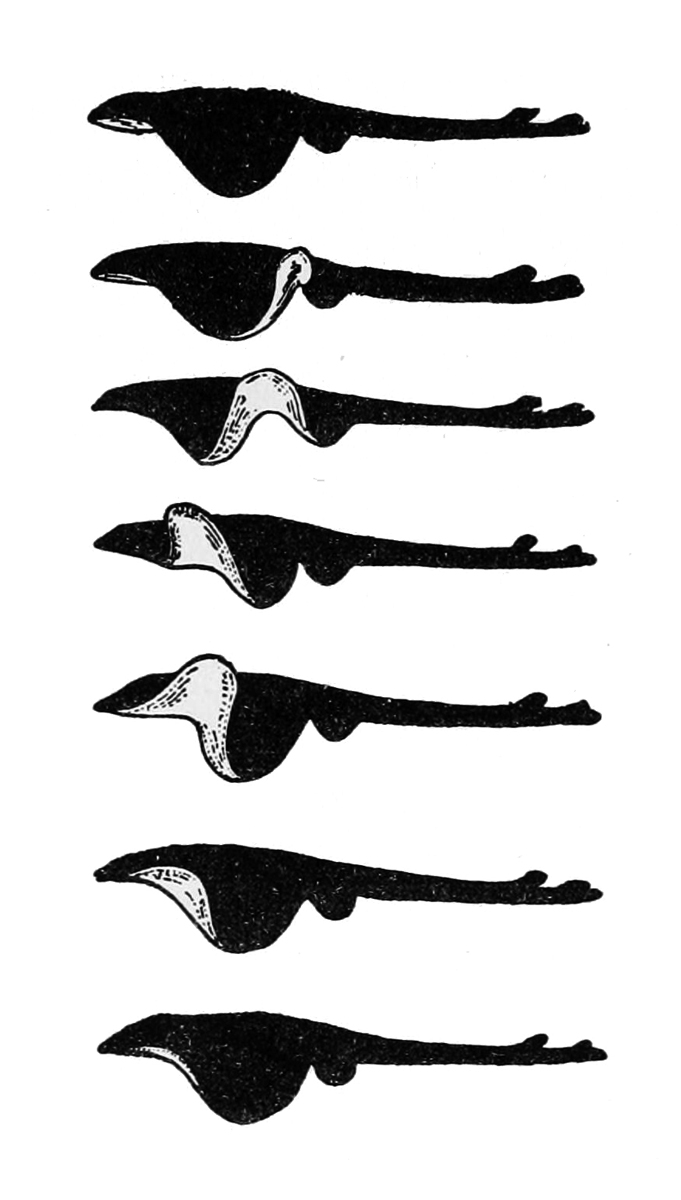


Appearance and distinguishing features
Skates have a broad, flattened body formed largely by enlarged pectoral fins that create a disc-like shape. Typical characteristics include:
- a dorsoventrally flattened body and eyes on the upper surface,
- a relatively short, fleshy or slender tail that usually lacks a venomous spine,
- two pairs of pelvic fins, with the anterior pair often lobed,
- dorsal thorns or small spines along the back and shoulders in many species.
Habitat and behavior
Most skates are demersal (bottom-dwelling), occurring on continental shelves and slopes from shallow coastal waters to the deep sea. They inhabit temperate and cold regions worldwide, where they feed on benthic invertebrates and small fishes. Many species are nocturnal or crepuscular, burying themselves in sediment to ambush prey or avoid predators.
Reproduction and life history
Unlike many rays, skates are primarily oviparous: females deposit fertilized eggs enclosed in tough, rectangular egg cases commonly called "mermaid's purses." Embryos develop inside the cases for weeks to months before hatching. Skates tend to grow slowly and reach sexual maturity later than many bony fishes, traits that make their populations vulnerable to overfishing and incidental capture.
Diversity and taxonomy
The family Rajidae contains more than 200 species grouped into around 27 genera, usually divided between the hardnose and softnose skate groups. Species vary widely in size and coloration, with some adapted to shallow coastal habitats and others specialized for deep, cold waters.
Human uses and conservation
Skates are valued in some fisheries for their pectoral "wings," which are sold as food. They are also frequently taken as bycatch in trawls and gillnets. Because of their low reproductive rates and slow maturation, many skate populations have experienced declines; management measures such as catch limits, bycatch reduction, and habitat protection are important for their conservation.
For further general reading on related topics see Rajidae, Rajiformes, and broader resources on cartilaginous fishes. Additional species information and lists are available via regional guides and databases referenced at species lists and taxonomic portals.
Related articles
Author
AlegsaOnline.com Skate (fish) Leandro Alegsa
URL: https://en.alegsaonline.com/art/90879
Sources
- fishbase.org : "Rajidae"