
Ray (Batoidea): biology, classification, and human interactions
Rays (batoids) are flattened cartilaginous fishes related to sharks. This article covers their anatomy, diversity, evolution, ecology, and interactions with people, including fisheries and conservation issues.
The term "ray" refers to the diverse group of flattened cartilaginous fishes commonly called batoids. Rays belong to the same major assemblage as sharks and are part of the broader group of cartilaginous fishes. Modern accounts describe more than five hundred species arranged in multiple families and orders; many authorities recognize thirteen families and four principal orders, reflecting a wide variety of shapes and lifestyles (species overview, family list, order classification).
Image gallery
10 Images
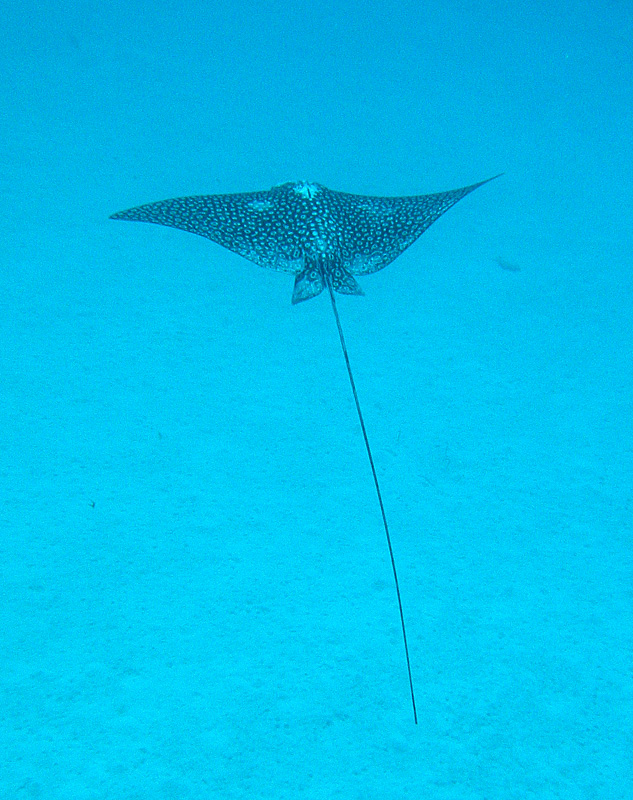


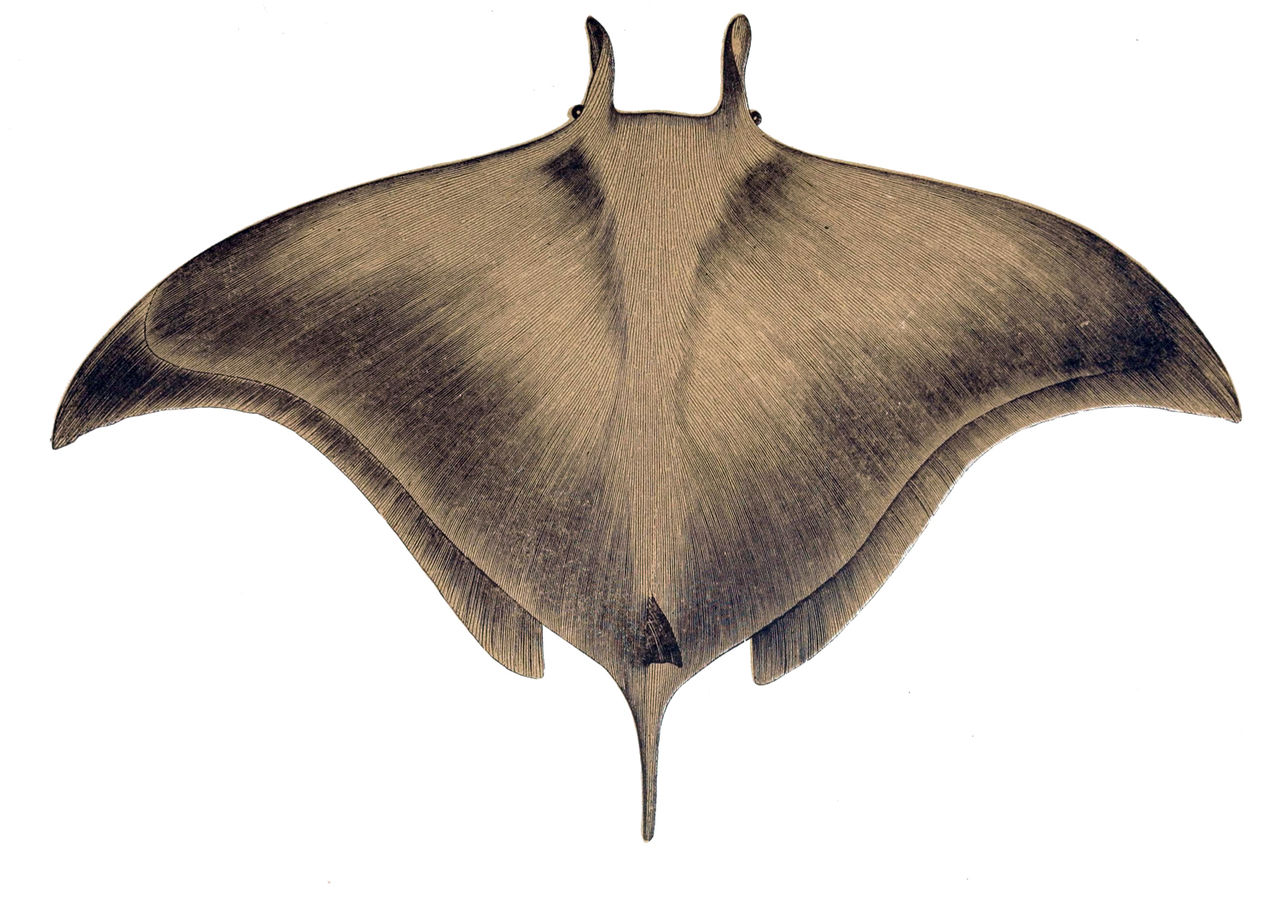

General characteristics
Rays are typically dorsoventrally flattened: the body and head are compressed so that the pectoral fins form broad "wings" that extend on either side. Most are demersal, spending much of their time on or near the sea floor (demersal habit), where they use mouths located on the underside to feed on invertebrates and small fishes. Several groups have specialized features such as whip-like tails with barbed stings, electric organs that produce shocks, or filter-feeding adaptations for plankton capture.
Classification and notable groups
- Skates: generally lay egg cases often called "mermaid's purses" and tend to have thicker tails without stings.
- Stingrays: many are viviparous (live-bearing) and possess venomous spines used for defense.
- Manta and devil rays: large pelagic filter-feeders, with broad pectoral fins and forward-facing mouths.
- Electric rays and guitarfishes: specialized in producing electric discharges or having sharklike bodies respectively.
These distinctions reflect different ecologies and reproductive strategies; for example, skates commonly deposit egg cases while many true rays give birth to live young.
Evolution and fossil record
Batoids are an ancient lineage within elasmobranch fishes. They appear in the fossil record by the Triassic period, emerging after the major Permian–Triassic extinction pulse that reshaped marine communities (Triassic origins). Fossils document the early experiments in flattened body plans and the later diversification into the varied forms seen today, from buried mud-dwellers to open-ocean filter feeders.
Ecology, uses, and human interactions
Rays occupy a range of habitats from shallow coastal bays and estuaries to deep continental slopes. They play important roles as predators of benthic invertebrates and as prey for larger marine animals. Humans interact with rays through subsistence and commercial fisheries, ecotourism (such as manta ray watching), and accidental bycatch. These interactions, combined with habitat degradation and targeted fishing, have led to conservation concerns for many species (marine threats).
While some rays can inflict painful wounds with venomous spines, most are not aggressive and will retreat if possible. Conservation efforts emphasize bycatch reduction, habitat protection, and international monitoring of trade and populations to balance human use with the long-term survival of diverse batoid species.
Features
Rays have a strongly flattened body and large pectoral fins, which are fused with the head. The shoulder girdle is ring-shaped and firmly or articulated to the spine. Some of the anterior vertebrae are fused to form a synarcuale. The mouth, nostrils, and five pairs of gill slits are on the flattened, usually pale underside. On the upper side are eyes and the valved spout holes through which water enters for breathing. The upper eyelid is firmly fused to the eyeball. The upper side is adapted to the particular habitat of the ray, so it can range from sand-colored speckled to black. The upper jaw, the palatoquadratum, is not connected to the neurocranium, but is only supported by the large hyomandibulare.

Nutrition
Most rays feed on hard-shelled invertebrates such as clams, crabs and echinoderms.
Related articles
Author
AlegsaOnline.com Ray (Batoidea): biology, classification, and human interactions Leandro Alegsa
URL: https://en.alegsaonline.com/art/81373