
Swim bladder: structure, function, and evolutionary significance
A gas-filled internal organ in many bony fishes that controls buoyancy, aids stability and hearing, and is evolutionarily related to lungs. Variations include open (pneumatic duct) and closed types.
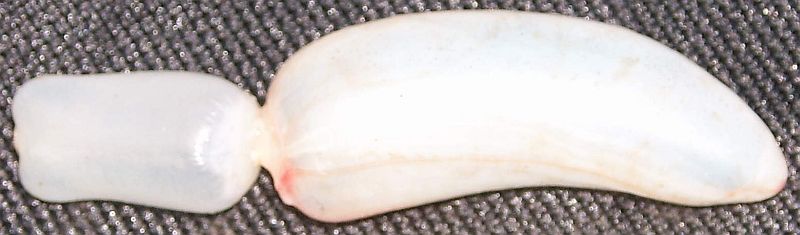
The swim bladder (also called a gas bladder or air bladder) is an internal, gas-filled organ common in many bony fishes. It enables buoyancy control so a fish can maintain or change depth with little continuous swimming effort, reducing the energy otherwise required for vertical movement. The organ’s dorsal placement helps stabilize orientation because the center of mass lies below the center of volume. In addition to buoyancy, the swim bladder can act as a resonating chamber that enhances sound production and reception.
Image gallery
10 Images



Structure and main types
Swim bladders vary in anatomy and connection to the gut. Two broad functional types are recognized:
- Physostomous: a swim bladder connected to the digestive tract by a pneumatic duct; fishes with this type can gulp or expel air at the surface.
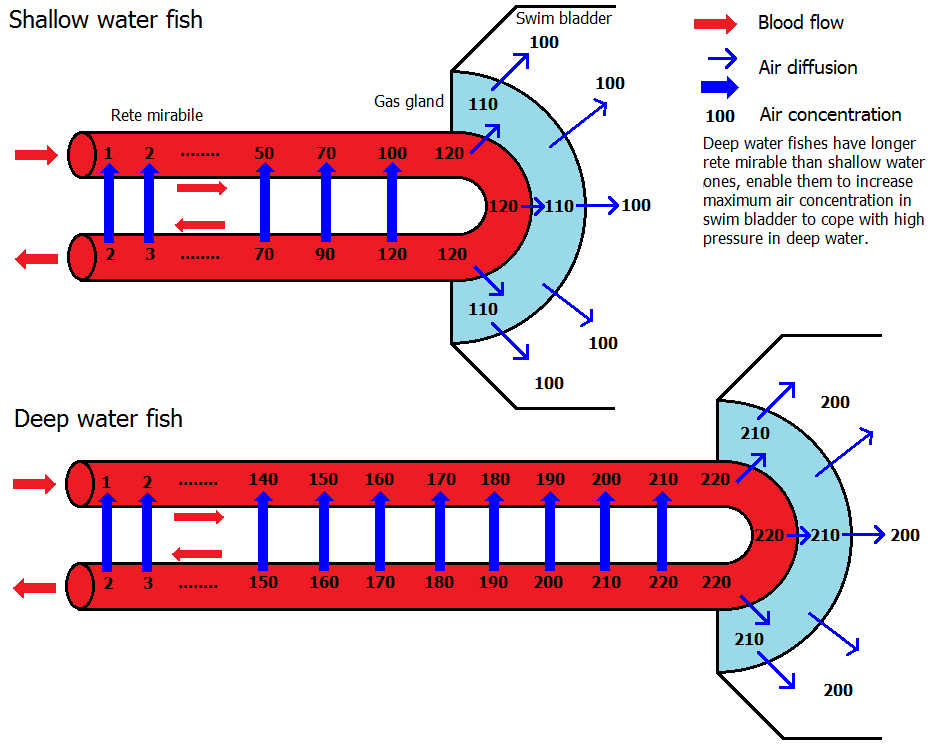
- Physoclistous: a closed swim bladder without a duct; gas is secreted into or absorbed from the bladder via specialized tissues such as the gas gland and rete mirabile.
Many swim bladders are simple sacs, while others are more complex with diverticula or chambered sections. The organ’s walls have vascularized regions that regulate gas exchange, allowing fine tuning of buoyancy.
Functions and practical effects
Principal roles of the swim bladder include:
- Buoyancy control — letting fish hover at a chosen depth without constant swimming (control their buoyancy).
- Stability — because of its location and buoyant volume, it contributes to static stability and reduces rolling.
- Hearing and communication — by amplifying or transmitting sound, especially when linked to ear structures (as in some groups), it improves acoustic sensitivity.
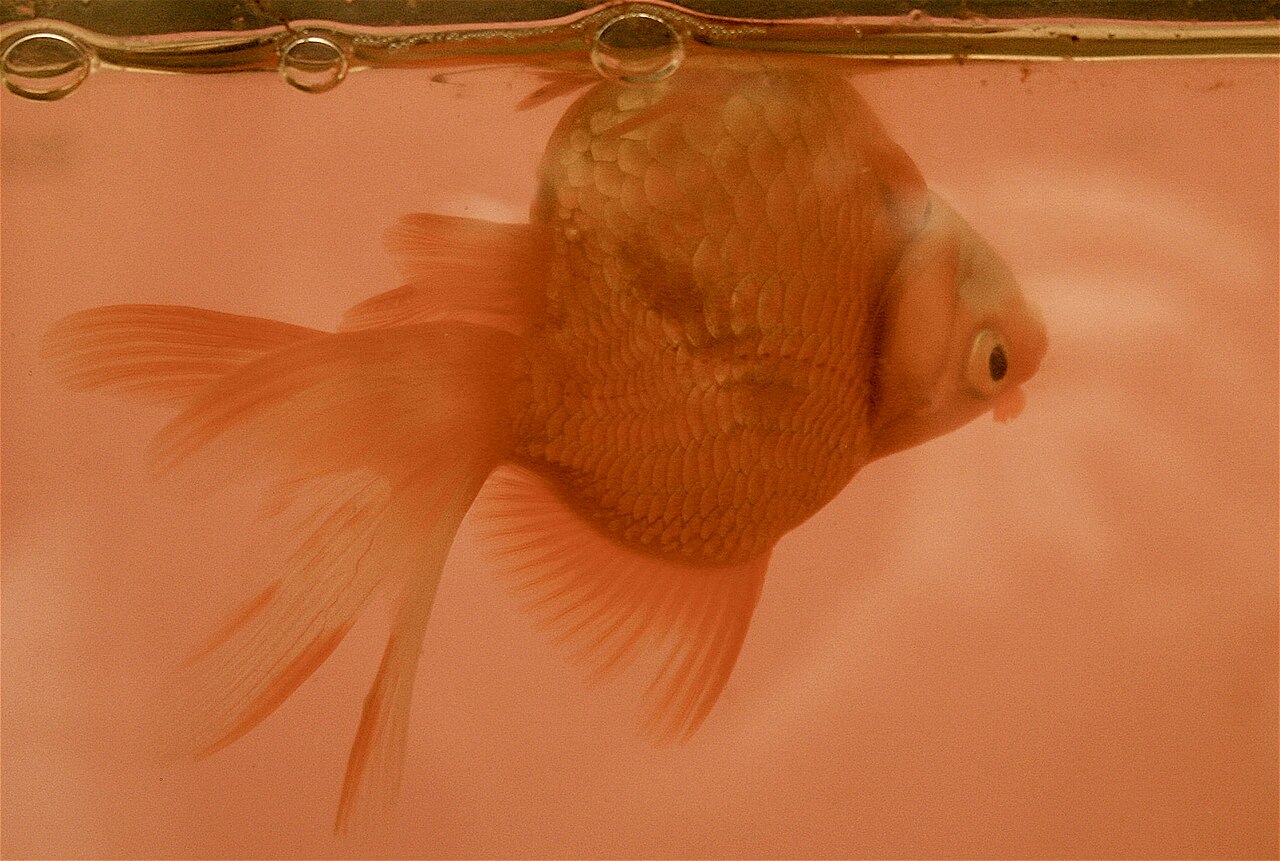
Because swim bladders reduce the need to swim for lift, fishes with them expend less energy in swimming for depth maintenance. However, rapid ascent can cause barotrauma when gases expand and damage tissues, an important consideration in fisheries and catch-and-release practice.
Evolutionary context
Swim bladders are evolutionarily closely related to lungs. Scientists interpret these organs as homologous structures that likely evolved from simple air sacs in early bony vertebrates. In low-oxygen waters, ancestral fishes could gulp air into a gut-connected sac for respiration; descendants diverged so that some lineages retained lung-like functions (for example, some lungfish and a few other fishes) while the ray-finned fishes developed a buoyancy-focused swim bladder. This shared origin explains structural and developmental similarities with lungs (homologous to lungs), even as their functions shifted.
Variations, notable facts and human uses
Not all fishes have swim bladders: cartilaginous fishes (sharks and rays) lack them and rely on oily livers and dynamic lift from pectoral fins. Some bony fishes have secondarily lost or reduced their swim bladders to suit bottom-dwelling or fast-swimming lifestyles. The swim bladder has had human uses as well; for example, dried bladders of certain species have been processed into isinglass for clarifying beverages and historically used in other products.
For further reading and technical descriptions see internal gas-filled organ, acoustic roles at resonating chamber, evolutionary reviews at homologous to lungs, and comparative anatomy resources for ray-finned fishes and lungfish. Practical guidance on fish handling and barotrauma is available from fisheries sources (energy in swimming, control their buoyancy, center of mass).
Questions and answers
Q: What is a swim bladder?
A: A swim bladder is an internal gas-filled organ in bony fish that helps them control their buoyancy.
Q: How does a swim bladder help bony fish?
A: Fish with a swim bladder can stay at their current water depth without having to waste energy in swimming.
Q: What is the dorsal position of the swim bladder?
A: The dorsal position of the swim bladder means the center of mass is below the center of volume, so it acts as a stabilizing agent.
Q: What is the swim bladder's function as a resonating chamber?
A: The swim bladder is a resonating chamber, to produce or receive sound.
Q: What is the evolutionary relationship between swim bladders and lungs?
A: Swim bladders are evolutionarily closely related (i.e., homologous) to lungs.
Q: What allowed fish to gulp air in oxygen-poor conditions?
A: The first lungs (simple sacs connected to the gut) allowed the fish to gulp air in oxygen-poor conditions.
Q: What did lungs evolve into?
A: Lungs evolved into the lungs of today's terrestrial vertebrates and some fish (lungfish, gar, bichir) and also into the swim bladders of the ray-finned fishes.
Related articles
Author
AlegsaOnline.com Swim bladder: structure, function, and evolutionary significance Leandro Alegsa
URL: https://en.alegsaonline.com/art/95519
Sources
- ucmp.berkeley.edu : "More on Morphology"