
Elephant seal (genus Mirounga)
Large pinniped of the genus Mirounga with two species in opposite hemispheres; noted for males' inflatable proboscis, deep-diving behavior, strong sexual dimorphism, and a dramatic conservation history.
Overview
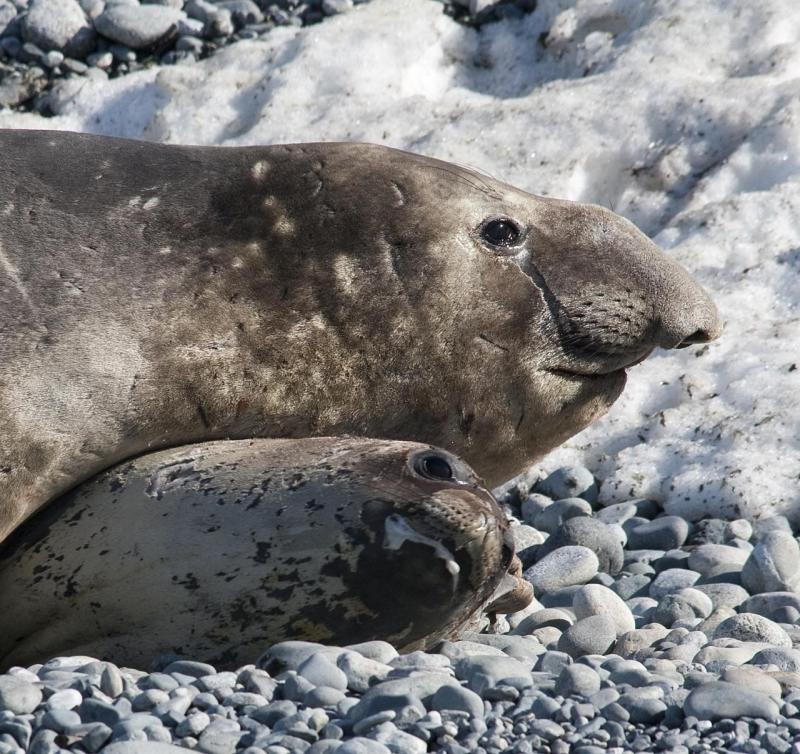
The elephant seals are two species of large earless seals in the genus Mirounga. They are among the largest living pinnipeds and are best known for the adult males' pronounced inflatable nose or proboscis. The two species occupy opposite hemispheres and exhibit strong sexual dimorphism: males are far larger than females and display territorial behavior during the breeding season.
Image gallery
10 Images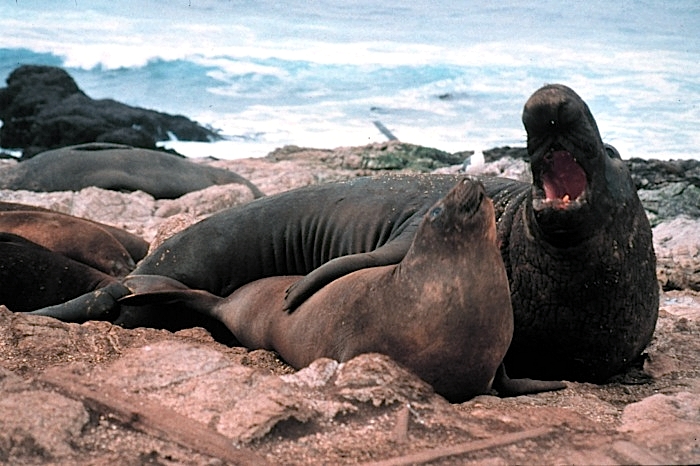




Appearance and biology
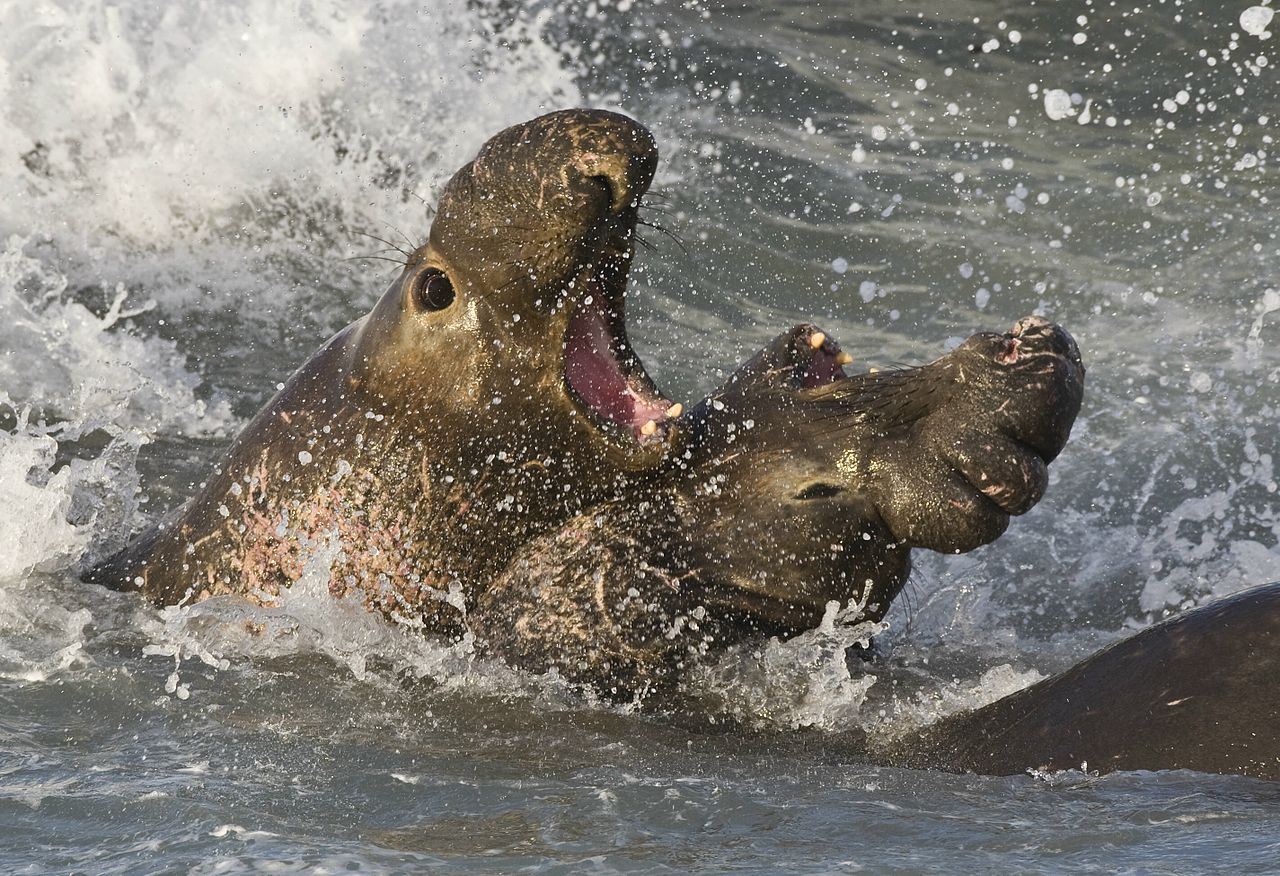
Elephant seals have a robust, torpedo-shaped body, a thick layer of blubber to insulate them in cold waters, and relatively small flippers. The male's enlarged nose amplifies vocalizations used in threatening displays and mate competition. Both species undergo an annual moult and alternate between months at sea feeding and concentrated periods ashore for breeding and shedding.
Distribution and habitat
The northern elephant seal lives in the northeastern Pacific, breeding on islands and isolated beaches off California and Mexico. The southern elephant seal ranges across subantarctic islands and coastal regions around the Southern Ocean. At sea they range widely and dive to forage for fish, squid and other marine organisms.
Behavior, diet and reproduction
Elephant seals are deep, long-duration divers that feed primarily on squid, fish and other deep-water prey. Their reproductive system is highly polygynous: dominant males establish and defend harems of females during a brief but intense onshore breeding period. Pups are born after a relatively short lactation period during which mothers fast and transfer energy-rich milk.
Conservation and human interactions
Both species were heavily hunted in past centuries for oil and blubber; the northern species in particular was once reduced to very small numbers before legal protection and conservation measures allowed dramatic recovery. Today they remain protected in many jurisdictions, though they face threats from habitat disturbance, entanglement, and ocean changes. Their population histories are often cited as notable examples of both overexploitation and successful recovery.
Distinguishing facts
- The two species are geographically separated: one in the North Pacific, the other in southern oceans.
- Sexual dimorphism is extreme: males are much larger and display the distinctive proboscis.
- They are key predators in their marine ecosystems and are studied for insights into diving physiology and climate impacts on marine mammals.
Related articles
Author
AlegsaOnline.com Elephant seal (genus Mirounga) Leandro Alegsa
URL: https://en.alegsaonline.com/art/30784
Sources
- animals.nationalgeographic.com : "Elephant seal: profile, facts, information, photos, pictures, sounds, habitats, reports, news -- National Geographic"
- parks.ca.gov : "Elephant seals" · webcitation.org
- encarta.msn.com : encarta.msn.com/encnet/features/dictionary/DictionaryResults.aspx?lextype=3&search=Elepha…
- topp.org : Tagging Pacific predators
- news.bbc.co.uk : "BBC NEWS | Science/Nature | Elephant seals dive for science"
- coml.org : "Census of Marine Life - From the edge of darkness to the black abyss"