
Overfishing: causes, consequences, and responses
Overfishing is harvesting fish faster than populations can replace them. This article explains causes, ecological and economic impacts, notable collapses, management tools, and actions for consumers and policymakers.
Overview
Overfishing occurs when fishing removes individuals from a population faster than they can be replaced by reproduction and growth. It is a form of overexploitation of wild fish stocks and is often used to illustrate the tragedy of the commons, where open access or poorly regulated resources are depleted because individual users benefit from catching more while the costs fall on the wider community. Global assessments, including a 2018 report by the United Nations Food and Agriculture Organization, have found that a substantial share of commercially important stocks are harvested at unsustainable levels, with estimates suggesting roughly one third of assessed stocks were overfished in that period.
Image gallery
10 Images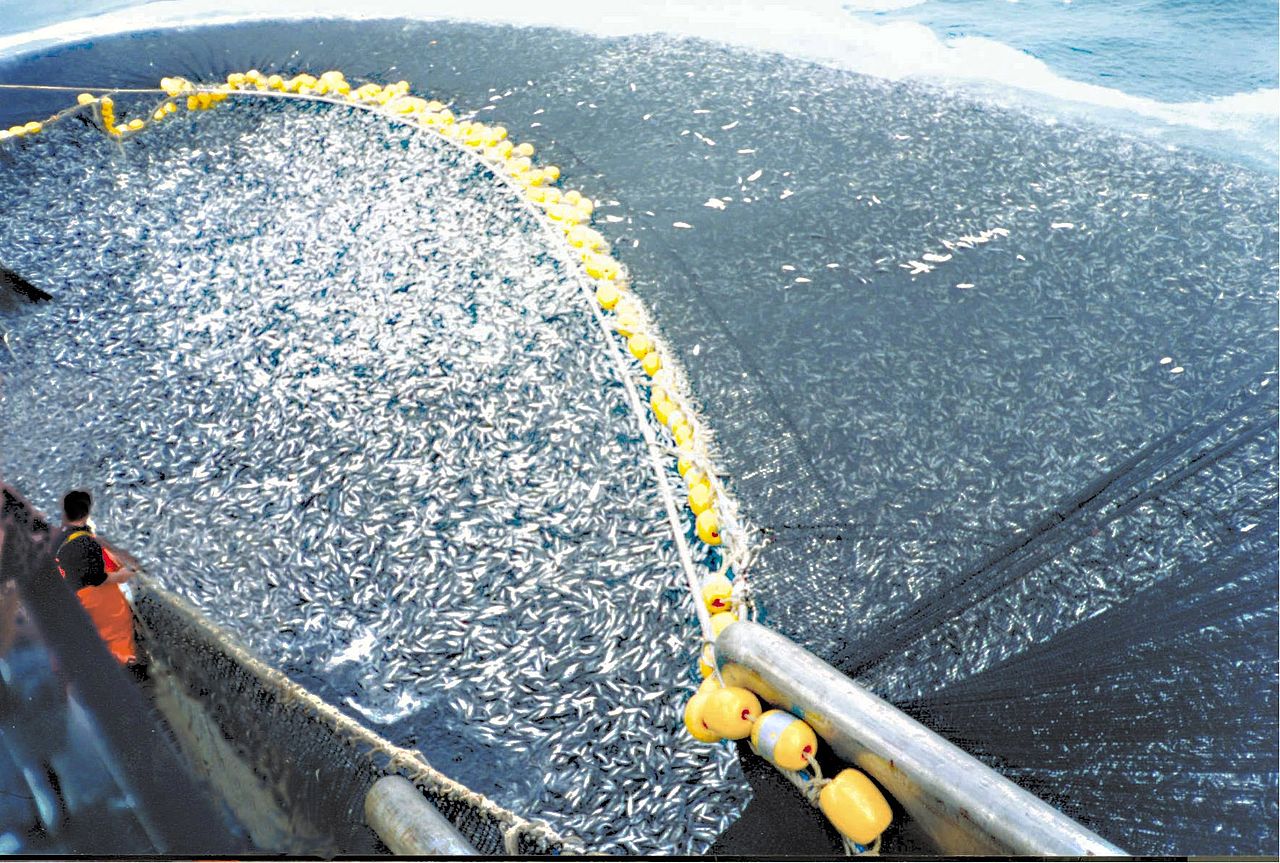





Causes and mechanisms
Overfishing arises from a mix of biological, economic and governance factors. Biological traits such as slow growth, late maturity, long lifespans, and limited ranges make some species intrinsically vulnerable. Technological advances—trawlers, longlines, synthetic nets, fish-finding sonar and refrigeration—greatly increase catch capacity. Market demand for particular species, coupled with subsidies that reduce fishing costs, can promote high effort even when stocks are falling. Poorly designed regulations, weak enforcement, illegal, unreported and unregulated (IUU) fishing, and unclear or absent property rights allow overcapacity to persist. Bycatch—the unintentional capture of non-target species—adds further pressure on ecosystems.
Ecological and evolutionary impacts
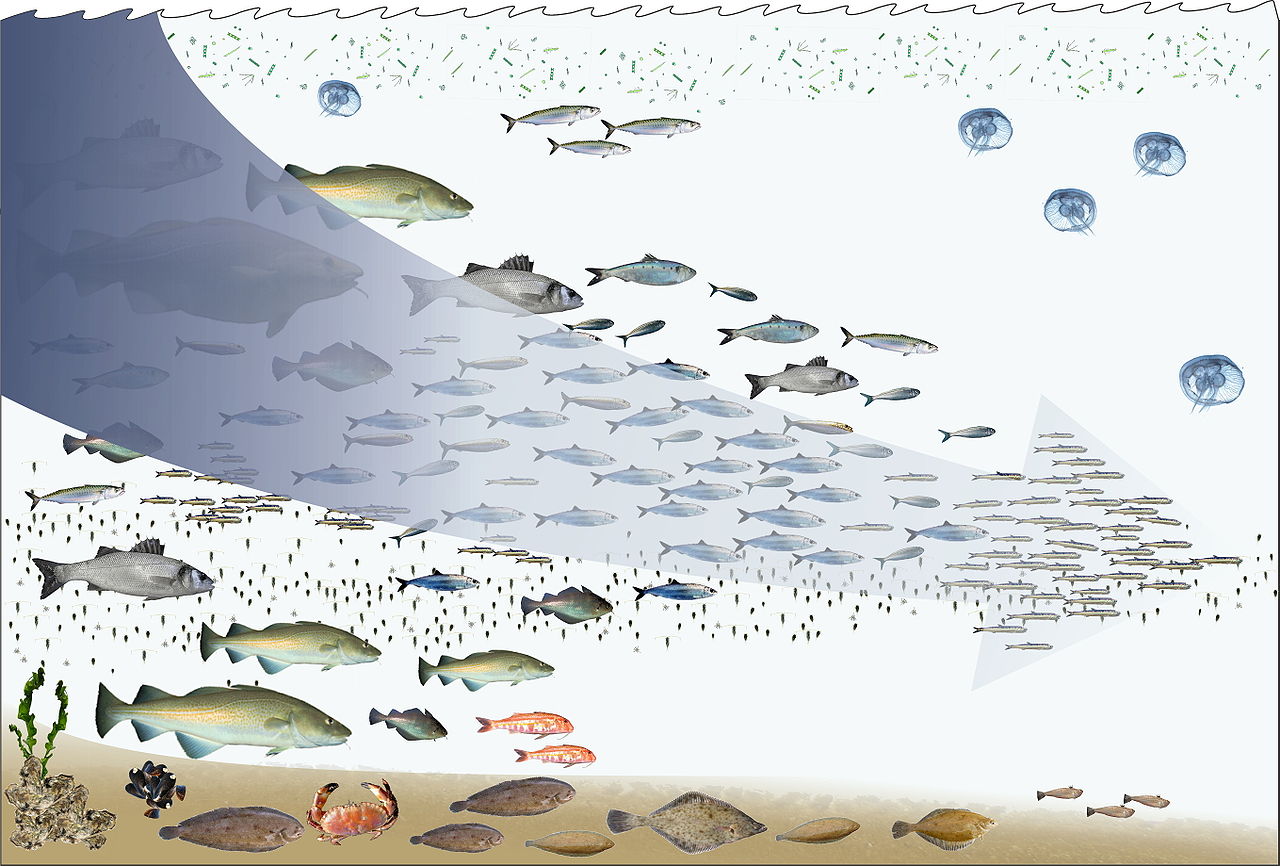
Heavy removal of mature adults can reduce reproductive output and change population structure. For many species, large females produce more eggs or higher-quality offspring; targeting large individuals can lower egg production and reduce recruitment. Persistent size-selective fishing can also produce evolutionary changes such as earlier maturation at smaller sizes, which may make recovery slower or alter the role a species plays in its ecosystem. Declines in a single species can cascade through food webs, changing predator–prey relationships, habitat use, and the abundance of associated species.
Economic and social consequences
Overfishing can transform profitable fisheries into marginal or failed enterprises. When stocks decline, catch per unit effort falls, costs for fishers increase, and jobs and community incomes are lost. Coastal communities dependent on a narrow set of species are particularly at risk. The transition from boom to collapse can occur quickly and leave long social and economic legacies, including unemployment, loss of cultural ties to fishing, and increased pressure on other resources as people shift livelihoods.
Historic examples and lessons
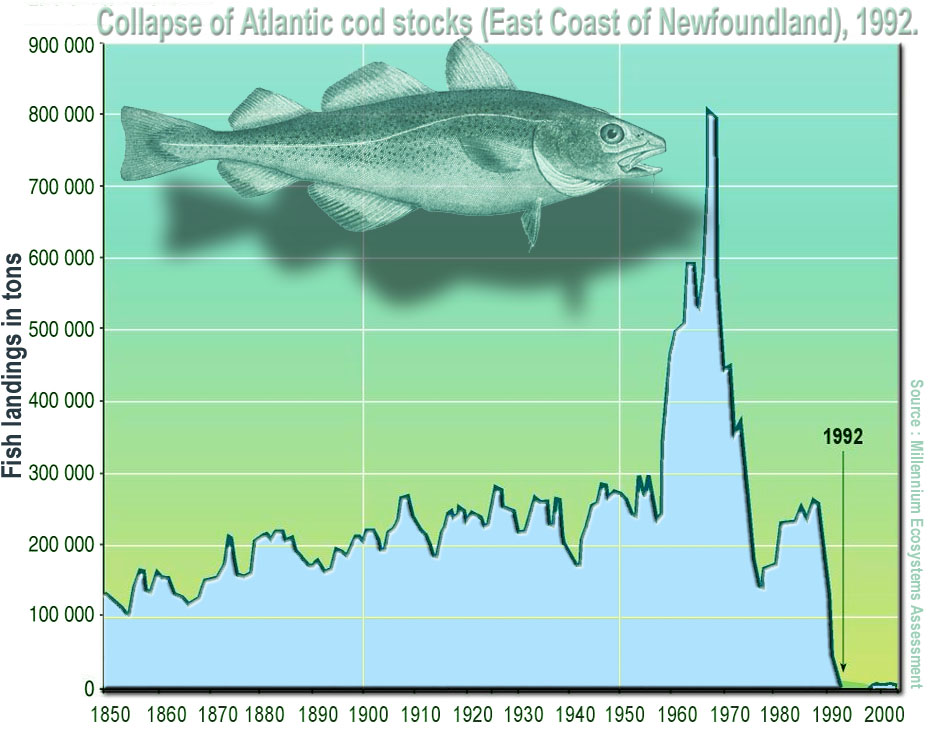
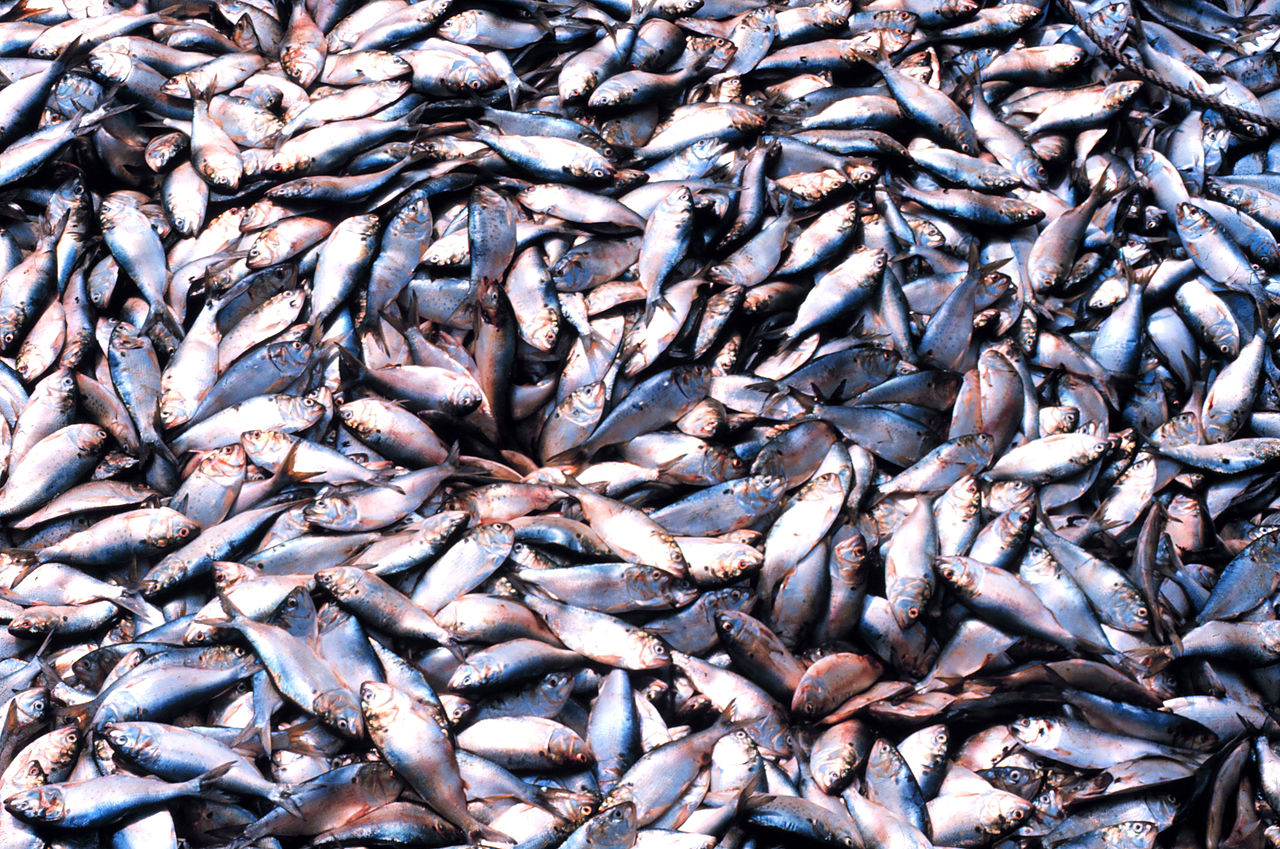
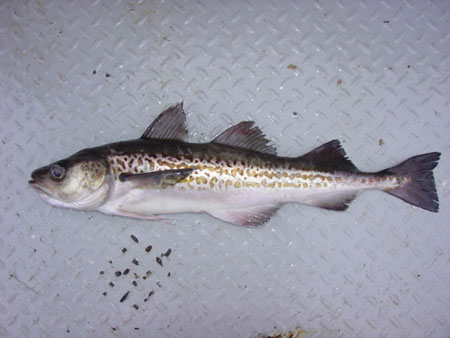
Well-documented collapses illustrate the dynamics and consequences of overfishing. The collapse of Northwest Atlantic cod in the early 1990s affected communities in the United States and Canada and required large-scale closures and long recovery efforts. Other regional declines, such as the historic crash of the herring industry that affected fisheries around Monterey, California, show how local economies can be disrupted. These cases demonstrate that rebuilding can take decades and often demands institutional change, scientific monitoring, and compliance mechanisms.
Management, mitigation and recovery strategies
Reversing or preventing overfishing typically requires a combination of measures informed by science and effective governance. Core approaches include setting catch limits based on stock assessments, limiting fishing effort, protecting essential habitats and spawning areas, and controlling bycatch. Rights-based approaches such as individual transferable quotas (ITQs) or community co-management can align incentives so that fishers benefit from long-term stock health. Reducing harmful subsidies, improving vessel monitoring and traceability, and combating IUU fishing are also important.
- Science-based limits and precautionary harvest rules;
- Spatial measures: marine protected areas, seasonal closures and no-take zones;
- Gear restrictions and bycatch reduction technologies;
- Market and governance tools: certification, traceability, and reform of subsidies;
- Stakeholder engagement, co-management and capacity building for enforcement.
Role of consumers, markets and institutions
Consumers and seafood buyers can influence fishing practices through demand for sustainably sourced products, use of trusted certification schemes, and asking suppliers about provenance and management. Transparent supply chains and improved traceability help reduce IUU-sourced products. International and regional organizations, national governments, and local communities each play roles: international bodies can set guidelines and support data sharing, national agencies set and enforce rules within their waters, and communities can develop locally appropriate management.
Challenges and future directions
Climate change, habitat degradation and pollution interact with fishing pressure to reshape marine populations, complicating management. Warming waters alter distributions and productivity, requiring adaptive policies and better monitoring. Continued investment in fisheries science, improved socio-economic data, participatory governance, and international cooperation will be needed to balance food security, livelihoods and conservation. Where recovery succeeds, the benefits include restored ecosystem functions, more stable fisheries, and greater resilience for coastal communities.
For introductory information and technical guidance, see entries and reports on overfishing, governance materials from the United Nations, and technical documents by the FAO. Case studies and regional assessments include work on cod, the Northwest Atlantic, and historical herring fisheries such as those near Monterey. Discussions of policy and community impacts draw on examples from the United States, Canada, and other fishing nations, while species-focused overviews may reference important stocks like herring and other small pelagics.
Related articles
Author
AlegsaOnline.com Overfishing: causes, consequences, and responses Leandro Alegsa
URL: https://en.alegsaonline.com/art/73719
Sources
- overfishing.org : Guide to Good Fish Guides