
Accipitridae: overview of diurnal birds of prey
Accipitridae is a large, cosmopolitan family of diurnal birds of prey including hawks, eagles, kites, harriers and Old World vultures; they vary widely in size, diet, behavior and conservation status.
The Accipitridae are a diverse family of diurnal birds of prey and are considered one of the two major families within the order often referred to as Accipitriformes. They are among the best known raptors, occupying habitats from dense forests to open plains and coastal cliffs. In many languages and traditions, members of this family are simply called hawks or eagles, though those common names do not map exactly to taxonomic groups.
Image gallery
10 Images
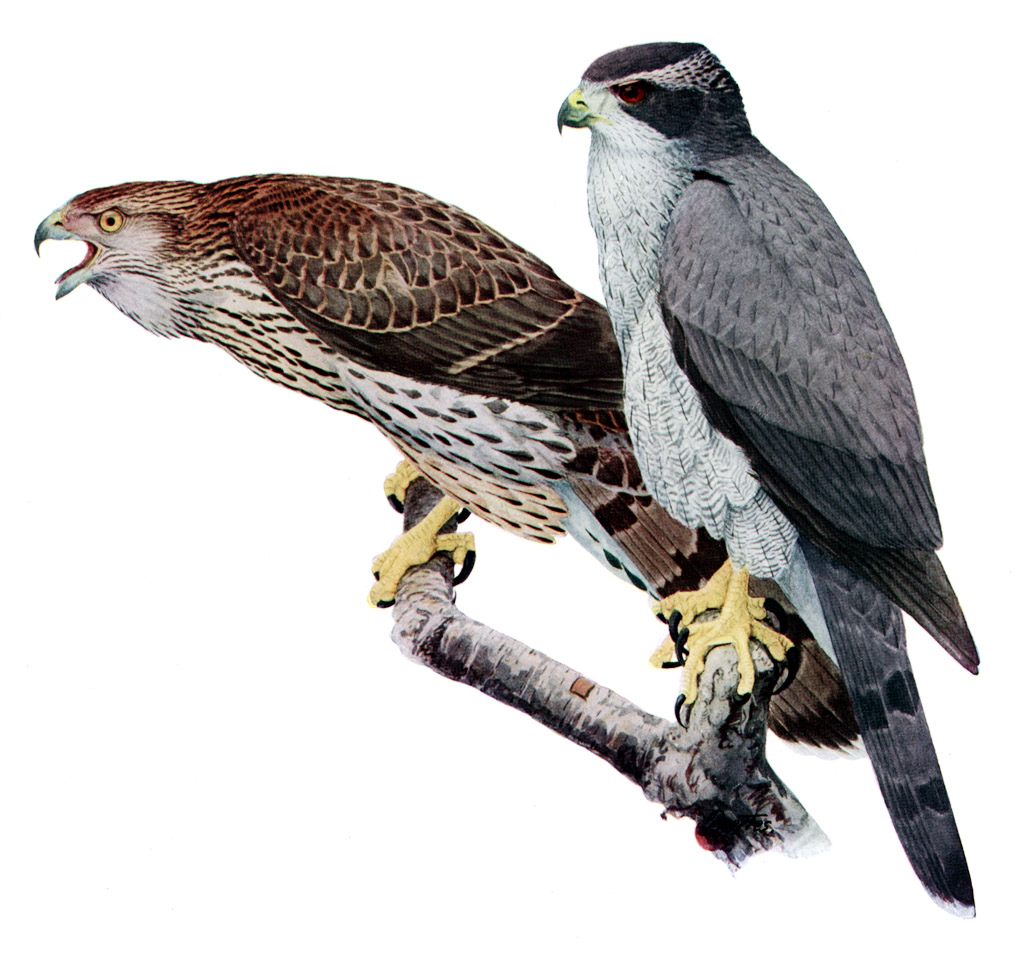


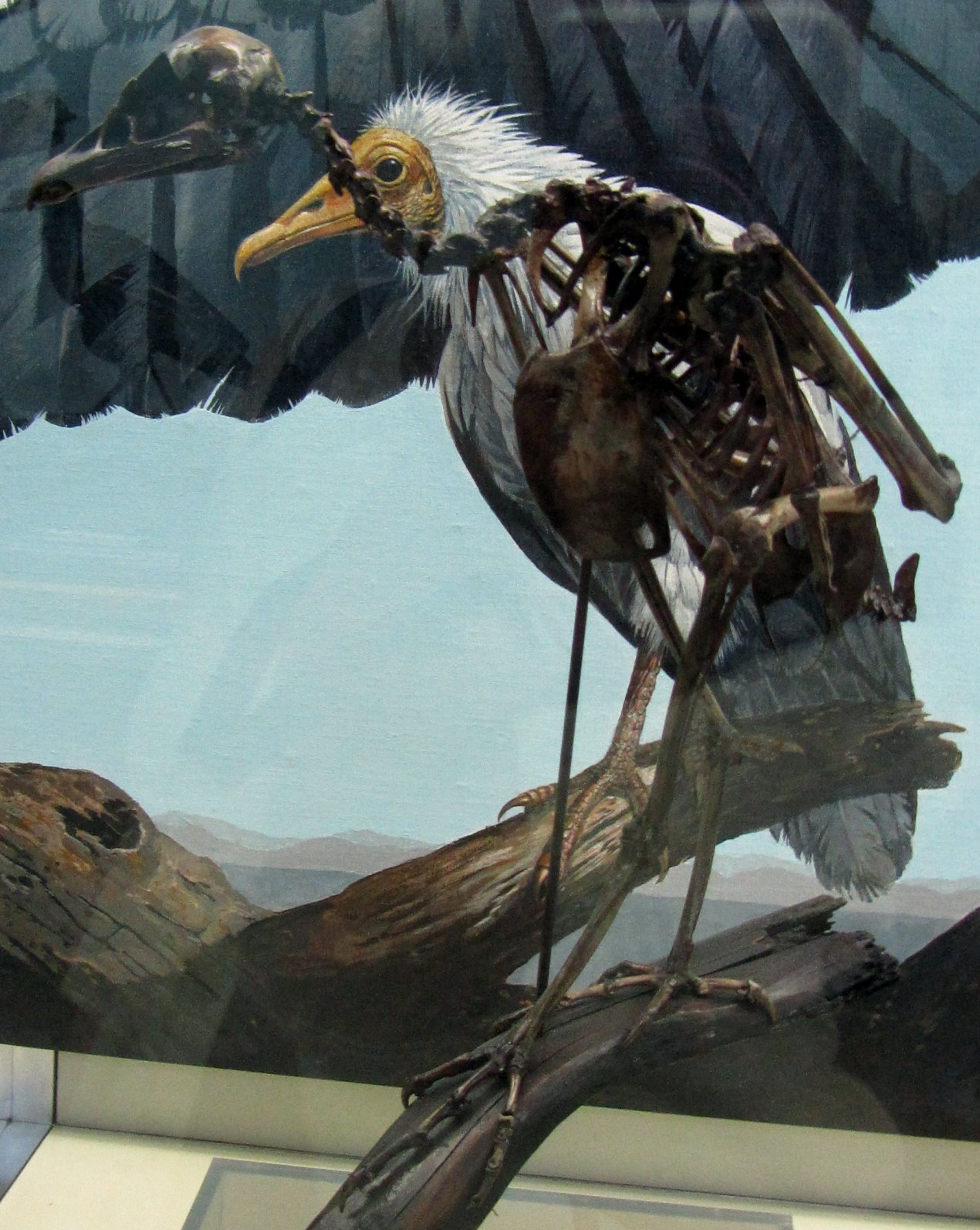


Physical characteristics
Accipitrids range from small, agile species to large, powerful predators. They typically have strongly hooked bills adapted for tearing flesh, robust feet with sharp talons for seizing prey, and broad wings suited to soaring or rapid dashes. Plumage and body proportions vary according to lifestyle: species that hunt in open landscapes often have long wings and tails for maneuverability, while forest hunters tend to be shorter-winged and more compact. Many show sexual size dimorphism, with females larger than males, a pattern common in raptorial birds.
Diet and feeding strategies
Diet among Accipitridae is highly variable. Some feed primarily on insects and other invertebrates, while others take birds, reptiles, fish and medium-sized mammals. Several species scavenge carrion, and a few have shifted toward frugivory or omnivory in particular habitats. Hunting methods include high-soaring searches, perched ambush, low fast flight across fields, and even aerial pursuit. Typical groups within the family include kites, harriers and many species commonly called hawks and eagles; Old World vultures are scavenging members with adaptations for locating and consuming carrion.
Distribution, habitat and movements
Accipitrids have a cosmopolitan distribution and are found on every continent except Antarctica, and on numerous oceanic islands. Some species are highly sedentary, occupying a year-round territory, while others undertake regular seasonal migrations across continents. Habitat preferences range from tundra and deserts to temperate woodlands and tropical rainforests, and many species are habitat specialists while others are generalists that exploit human-altered landscapes.
Taxonomy and relationships
Taxonomists divide the raptorial birds into several families. The osprey is usually placed in its own family, Pandionidae, and the so-called secretary bird is treated as distinct as well. New World vultures, traditionally grouped with other vultures, are commonly classified separately in a family or even an order; they are mentioned here as New World vultures, distinct from the Old World vultures found in Accipitridae. The broad family concept for Accipitridae has been refined by anatomical and molecular studies, but relationships among some subgroups remain subject to ongoing research.
Ecological role, human interactions and conservation
Accipitrids perform key ecological roles as predators and scavengers, helping control populations of other animals and contributing to nutrient cycling. Many species are culturally significant and appear in art, heraldry and folklore. However, they are vulnerable to habitat loss, poisoning, collisions with human structures, and direct persecution. Conservation measures range from legal protection and habitat restoration to targeted reintroduction and anti-poisoning campaigns. Monitoring and international cooperation are important, since several species cross national borders during migration.
Notable facts and distinctions
- Common names such as hawk, eagle and kite describe ecological or morphological types rather than strict taxonomic ranks.
- Some accipitrids are specialized scavengers (Old World vultures), while others are skillful aerial hunters or ground-foraging predators.
- Because of convergent evolution, similar hunting lifestyles have produced comparable traits in unrelated raptor lineages, which is why families like Pandionidae and groups such as New World vultures are kept separate by many authorities.
- For further general background on these birds see sources on raptor biology and avian taxonomy (diurnal raptors and ordered classifications).
For additional reading and species lists, consult general avian references and regional field guides that treat the groups commonly placed in Accipitridae and neighboring families. Online and printed resources can provide identification keys, range maps and conservation status for individual species; authoritative databases and bird organizations are recommended starting points for up-to-date information (family overviews, order summaries, and habitat or diet profiles such as those focusing on insectivorous or mammal-eating species). Other useful topics include vulture ecology and the role of scavengers in ecosystems, where material on carrion feeders and even the few fruit-eating species (frugivorous examples) may be found.
Questions and answers
Q: What are the Accipitridae?
A: The Accipitridae are one of the two major families in the order Accipitriformes.
Q: How do Accipitridae birds vary in their diet?
A: Accipitridae birds vary in their diet, feeding on prey items from insects to medium-sized mammals, carrion or fruit.
Q: Where can the Accipitridae be found?
A: The Accipitridae have a cosmopolitan distribution and can be found on all the world's continents (except Antarctica) and a number of oceanic island groups.
Q: Are some Accipitridae species migratory?
A: Yes, some Accipitridae species are migratory.
Q: What are some well-known birds that belong to the Accipitridae family?
A: Many well-known birds such as hawks, eagles, kites, harriers, and Old World vultures belong to the Accipitridae family.
Q: Is the osprey part of the Accipitridae family?
A: The osprey is usually placed in a separate family called Pandionidae, and not included in the Accipitridae family.
Q: Are New World vultures part of the Accipitridae family?
A: No, New World vultures are now usually considered a separate family or order, not part of the Accipitridae family.
Related articles
Author
AlegsaOnline.com Accipitridae: overview of diurnal birds of prey Leandro Alegsa
URL: https://en.alegsaonline.com/art/637
Sources
- books.google.com : Paleogene fossil birds
- commons.wikimedia.org : Accipitridae
- wikidata.org : Q25510
- species.wikimedia.org : Accipitridae
- animaldiversity.org : Accipitridae
- eol.org : 8016
- gd.eppo.int : 1ACCIF
- eu-nomen.eu : 10750
- fauna-eu.org : f93a3c47-eec0-4fda-abac-20b0fd018031
- fossilworks.org : 39323
- gbif.org : 2877
- inaturalist.org : 5067
- irmng.org : 101114
- itis.gov : 175280
- data.nbn.org.uk : NBNSYS0000159290