
Birds of Prey (Raptors): Characteristics, Evolution, and Ecological Role
Birds of prey, or raptors, are predatory birds that seize and kill animals with powerful talons and hooked beaks. This article outlines their anatomy, diversity, evolution, ecology and conservation.
Overview
Birds of prey, commonly called raptors, are birds that capture and consume other animals as a primary food source. Most raptors use strong feet equipped with sharp talons to seize prey and a curved, hooked beak to tear flesh. They occupy a wide range of habitats worldwide and include familiar groups such as hawks, eagles, falcons and owls. For a concise introduction to the concept, see a general raptor summary here.
Image gallery
10 Images


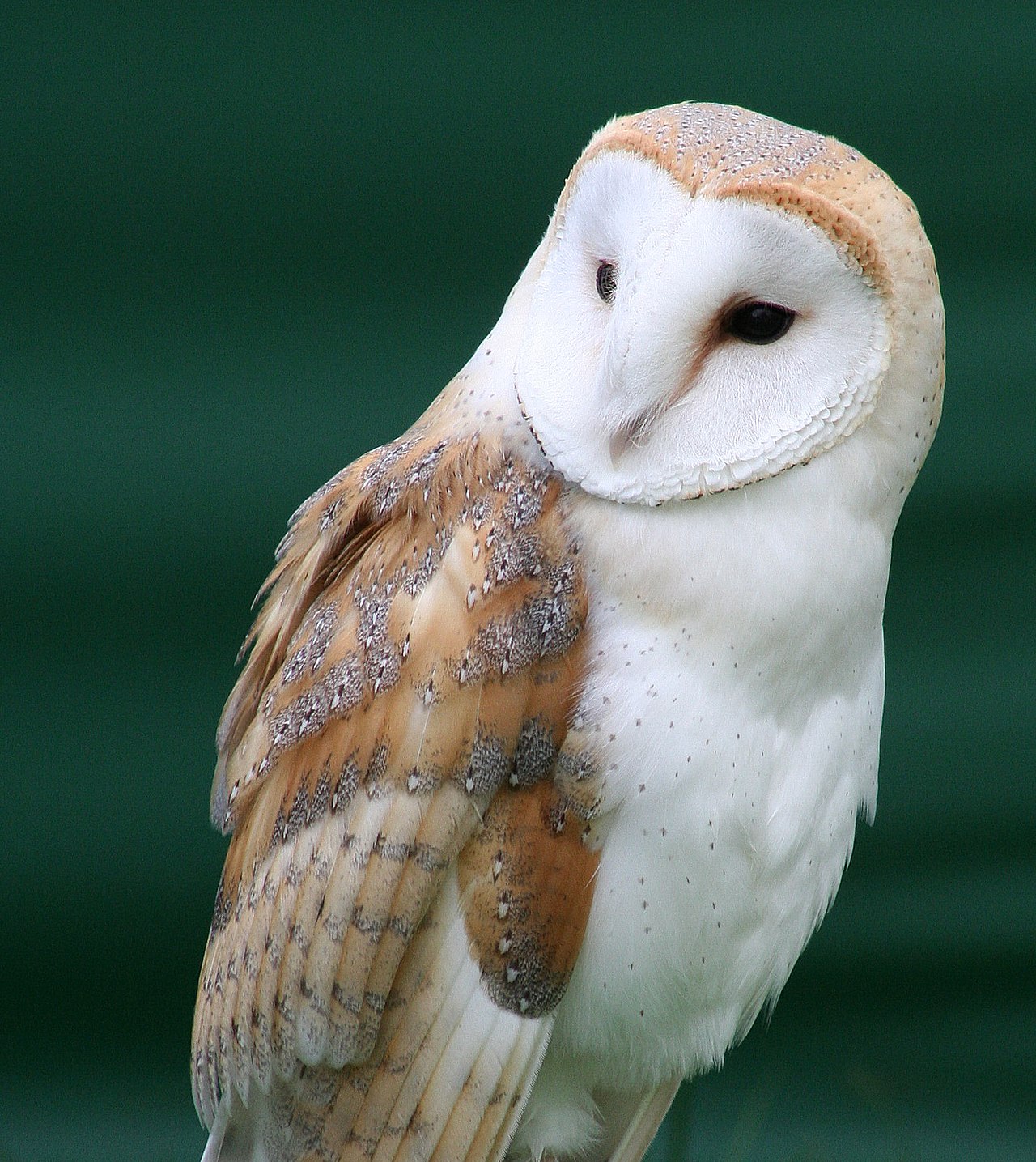


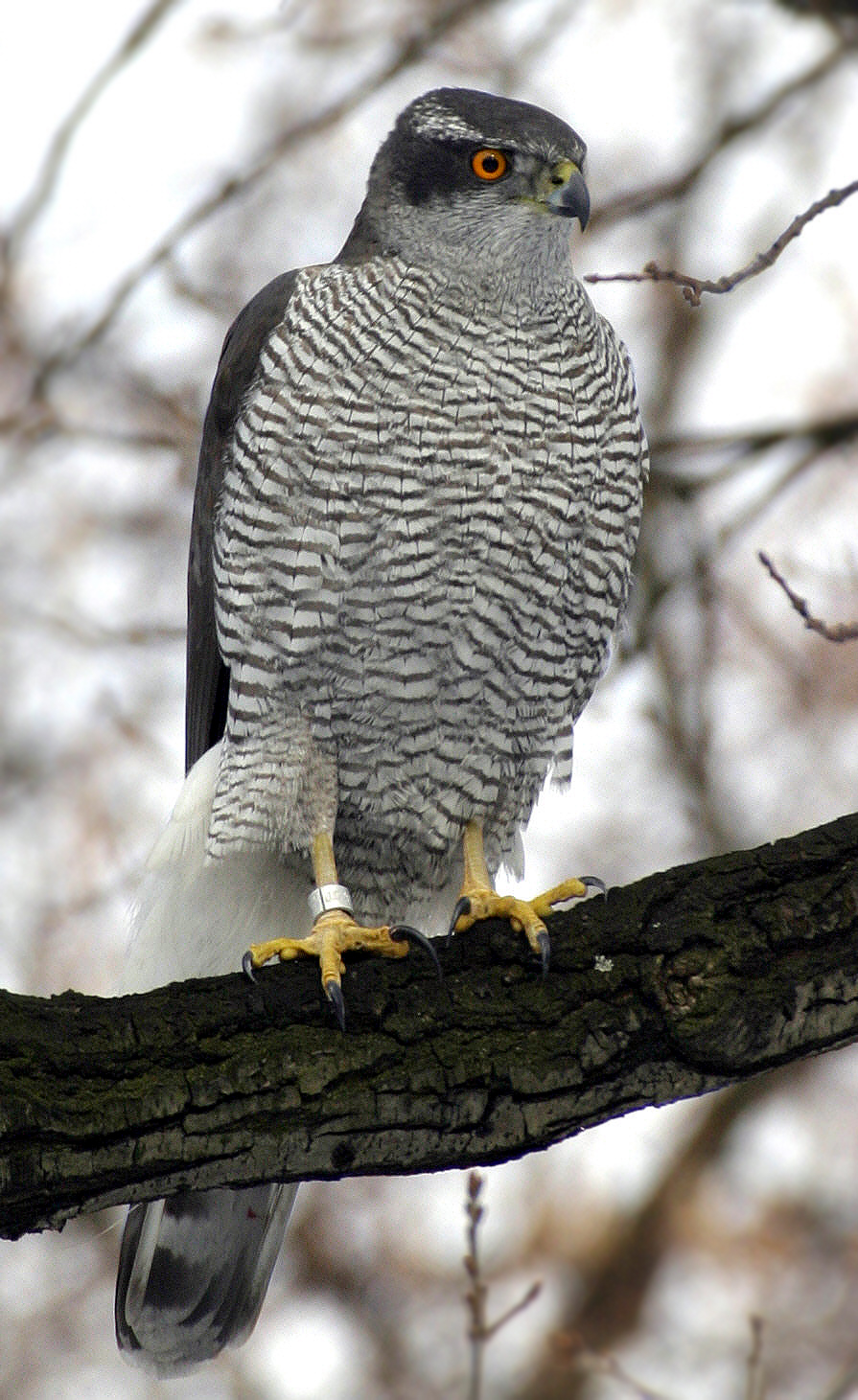
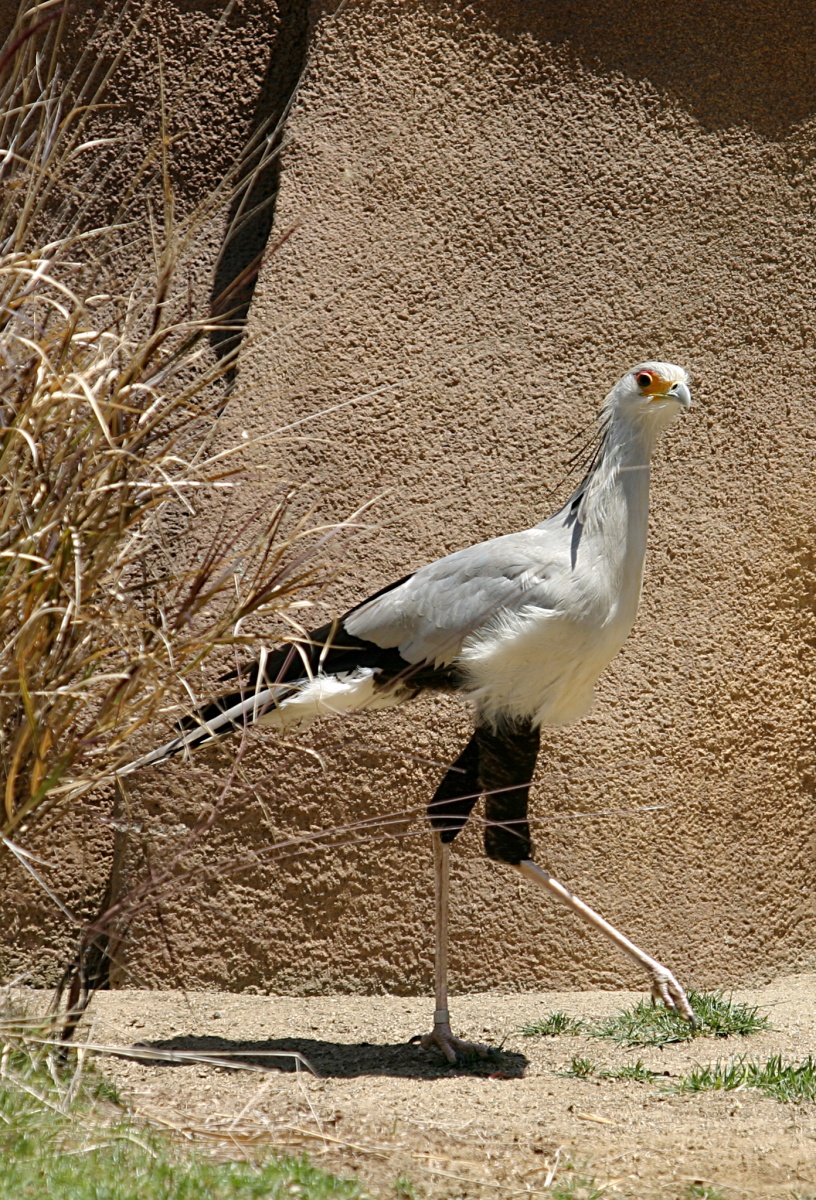


Key characteristics
Several anatomical and behavioral traits are shared across many raptors, even when they are not closely related. Typical features include keen vision for detecting distant or camouflaged prey, robust flight adaptations for hunting, and tactilely powerful feet with sharp claws. Plumage and body size vary by species and hunting style: some rely on speed and aerial acrobatics, others on stealth and perch-hunting.
Diversity and taxonomy
Raptorial habits appear in multiple bird lineages rather than forming a single natural group. For example, falcons, hawks and owls belong to different branches of the avian tree but share similar hunting specializations. This repeated emergence of similar traits in unrelated groups is an example of convergent evolution; more on that topic can be found here.
Behavior, diet and ecological role
Raptors occupy varied trophic roles: many are active predators of mammals, birds, reptiles or fish, while some scavenge carrion. They help regulate populations of rodents and other prey, contributing to ecosystem balance. Hunting strategies range from high-soaring searches and stoops to nocturnal listening and silent flight in owls.
Human interactions and cultural importance
People have long observed and employed raptors: falconry is an ancient partnership between humans and trained birds of prey. Raptors appear in art, heraldry and myth across cultures. Conservation interest is also high because their position near the top of food webs makes them vulnerable to environmental change and chemical pollutants.
Conservation and notable facts
- Threats include habitat loss, persecution, collisions, and contaminants that accumulate through food chains.
- Many species serve as indicators of ecosystem health and are the focus of recovery programs.
- Some raptors, notably certain falcons, are among the fastest animals in the world during hunting dives, and many have eyesight far superior to that of humans.
Understanding raptors involves anatomy, behavior, evolutionary context and human cultural ties. Their repeated evolution of similar hunting adaptations illustrates how similar ecological pressures can shape unrelated lineages in comparable ways, and their conservation remains important for maintaining healthy ecosystems.
Questions and answers
Q: What is a bird of prey?
A: A bird of prey, also known as a raptor, is a bird that primarily uses its talons to capture prey. They have strong beaks and claws, as well as sharp eyesight.
Q: How does a bird of prey catch its prey?
A: A bird of prey catches its prey by seizing it with its talons.
Q: What kind of beak and claws do birds of prey have?
A: Birds of prey have strong, sharp, hooked beaks and claws.
Q: How are birds of prey classified?
A: Birds of prey are not classified into one natural family or group because their behavior evolved many times in different groups.
Q: What is convergent evolution?
A: Convergent evolution is when similar adaptations arise in different groups of organisms independently, due to similar selective pressures.
Q: What is the main tool a bird of prey uses to seize its prey?
A: The main tool a bird of prey uses to seize its prey is its talons.
Q: What type of vision do birds of prey have?
A: Birds of prey have sharp eyesight.
Related articles
Author
AlegsaOnline.com Birds of Prey (Raptors): Characteristics, Evolution, and Ecological Role Leandro Alegsa
URL: https://en.alegsaonline.com/art/11708