
Ecosystem: structure, function, and importance
An ecosystem is a community of organisms and their physical environment interacting through energy flows and nutrient cycles; this article outlines components, processes, types, and human impacts.
An ecosystem is a functional unit composed of living organisms (plants, animals, fungi, microbes) and the nonliving physical environment with which they interact. These interactions occur through exchanges of energy and materials: sunlight captured by producers, energy transferred along food chains and food webs, and materials recycled by decomposers. The concept of the ecosystem emphasizes both the biological community and the physical factors that shape it, treating them as an integrated system rather than separate parts.
Image gallery
10 Images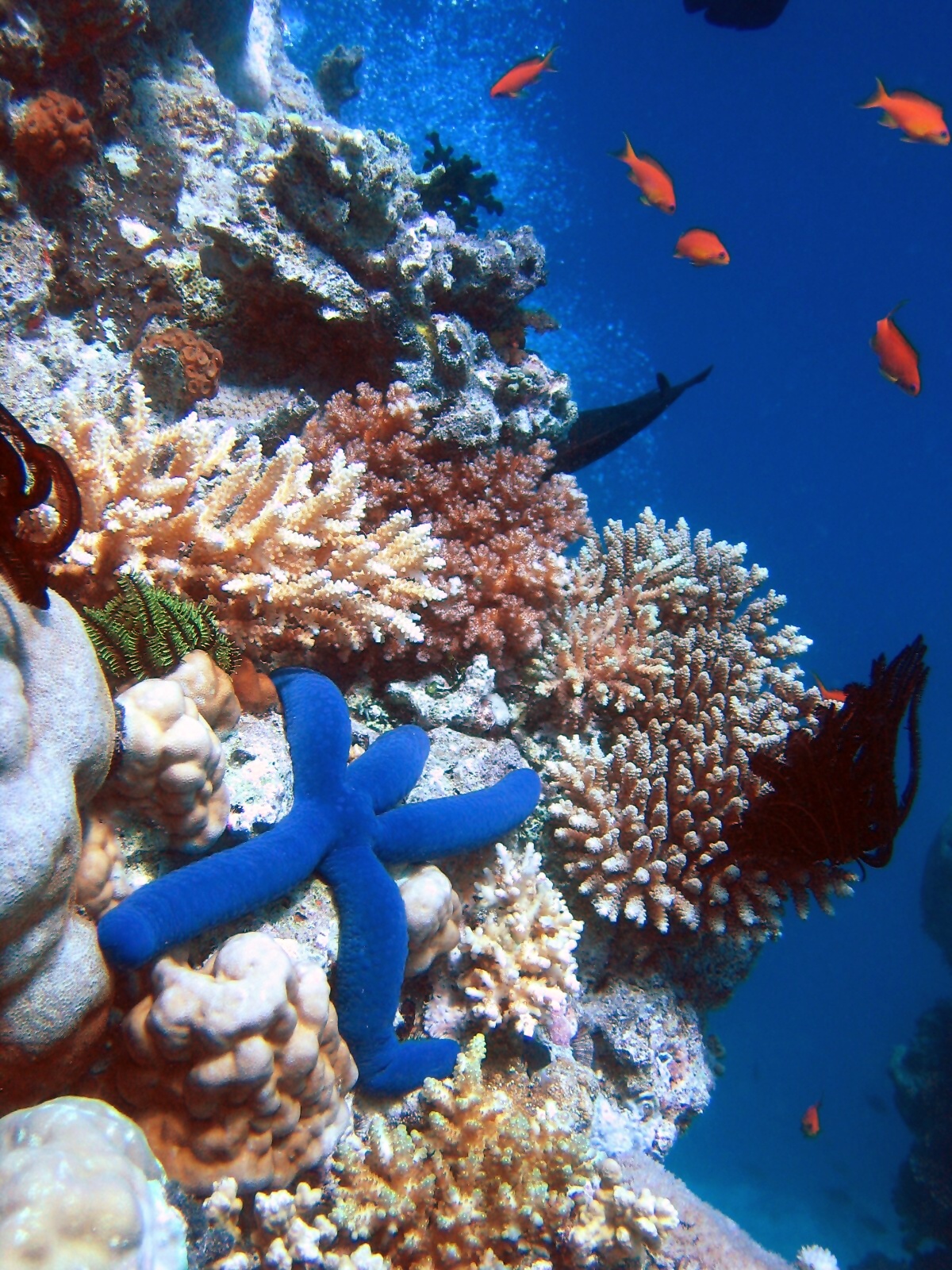





Core components and processes
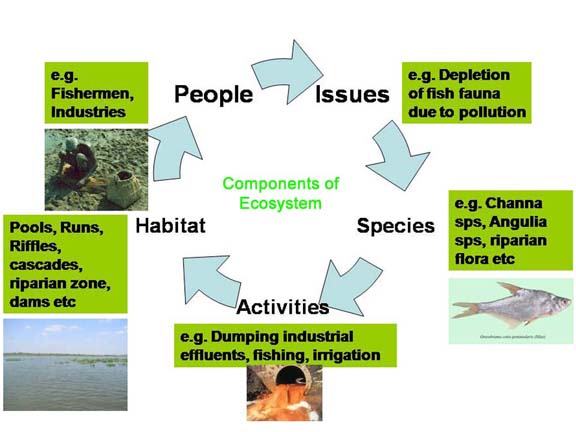
At its simplest an ecosystem contains biotic components and abiotic components. Biotic parts include producers (autotrophs that make organic matter), consumers (herbivores, carnivores, omnivores) and decomposers (detritivores, saprotrophs). Abiotic factors include climate, soil or water chemistry, sunlight, and topography. Two fundamental processes connect these components:
- Energy flow: Energy enters most ecosystems as sunlight and moves through trophic levels; some energy is lost as heat at each transfer.
- Material cycling: Elements such as carbon, nitrogen and phosphorus are recycled within ecosystems through biological, chemical and physical pathways — often summarized as nutrient cycles.
Scale, types and examples
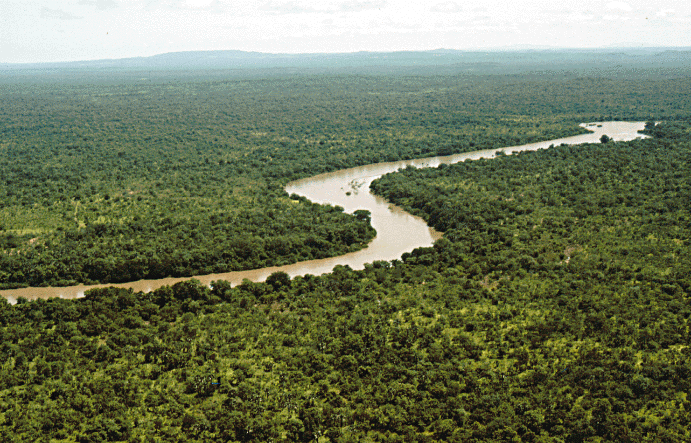
Ecosystems can be very small (a single pond, an aquarium) or extremely large (a forest, a coral reef complex). They are commonly described by dominant physical features and communities: terrestrial ecosystems (forests, grasslands, deserts), freshwater ecosystems (lakes, rivers, wetlands), and marine ecosystems (estuaries, continental shelves, open ocean). A household aquarium is a convenient microcosm: it supports fish, plants and microbes and illustrates food webs, nutrient cycling and habitat partitioning — see an example aquarium description here.
Structure, niches and dynamics
Species within an ecosystem occupy particular habitats and functional roles. The term ecological niche describes how a species obtains resources and interacts with others. Ecosystems are dynamic: succession changes species composition after disturbance, and resilience describes an ecosystem's ability to return to its prior state. Stability and productivity depend on diversity, connectivity among populations, and external drivers like climate.
Benefits, human impacts and management
Ecosystems provide numerous services vital to people, often categorized as provisioning (food, water), regulating (climate and disease control), supporting (soil formation, nutrient cycling) and cultural (recreation, spiritual value). Human activities — land conversion, pollution, resource extraction and climate change — can disrupt energy flows and nutrient cycles, reduce biodiversity and impair services. Conservation, sustainable management and restoration aim to protect ecosystem function; these efforts range from protected areas and sustainable agriculture to urban green infrastructure.
Distinctions and historical notes
In ecology, an ecosystem differs from related terms: a community is the set of interacting organisms in a place, a habitat is the physical environment of a species, and a biome is a broad climatic and vegetation zone composed of many ecosystems. The ecosystem concept was articulated in the 20th century by ecologists seeking to link organisms with energy and matter flows; it remains a central organizing idea for understanding biodiversity, environmental change and natural resource management.
Understanding ecosystems helps explain why conserving habitats and maintaining ecological processes matters for both nature and human well-being. Investigating specific ecosystems — from urban parks to tropical rainforests and coral reefs — illustrates how structure, function and human influence vary across the planet.
Questions and answers
Q: What is an ecosystem?
A: An ecosystem is a large community of living organisms in a particular area, where the living and physical components are linked together through nutrient cycles and energy flows.
Q: What are the three types of living organisms in an ecosystem?
A: The three types of living organisms in an ecosystem are plants, animals, and microbes.
Q: What connects the living and physical components in an ecosystem?
A: Nutrient cycles and energy flows connect the living and physical components in an ecosystem.
Q: Are ecosystems always of the same size?
A: No, ecosystems can be of any size.
Q: Do different ecosystems have different communities?
A: Yes, each ecosystem has its own community.
Q: What are some examples of different ecosystem communities?
A: Examples of different ecosystem communities include an aquarium community with small fish and other organisms, a desert community with cacti, small snakes, and scorpions, a pond community with frogs, insects, snakes, and plants, and a forest community with rabbits, foxes, and pine trees.
Q: How are the species in an ecosystem community divided?
A: The species in an ecosystem community are divided into populations according to their particular habitats and ecological niches in the ecosystem.
Related articles
Author
AlegsaOnline.com Ecosystem: structure, function, and importance Leandro Alegsa
URL: https://en.alegsaonline.com/art/29978
Sources
- doi.org : 10.1016/0169-5347(90)90221-X
- pubmed.ncbi.nlm.nih.gov : 21232343