
Earwig (Dermaptera): appearance, biology, and interactions with people
Earwigs are small to medium nocturnal insects (order Dermaptera) known for pincer-like cerci, folded wings, maternal care, and largely harmless habits. Overview of form, life cycle, diet, and human encounters.
Overview
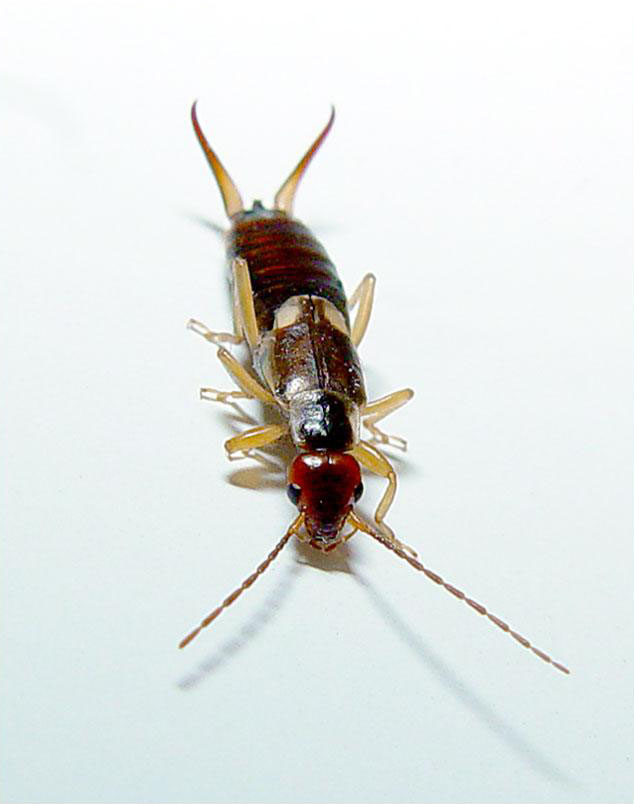
Earwigs are insects of the order Dermaptera. They are recognizable by a flattened, elongate body and a pair of curved forceps or pincers at the rear, called cerci. There are roughly one to two thousand described species worldwide; many sources cite about 1,800 species (see species count). Most earwigs are small—often 10–14 mm long—though some species may reach larger sizes, and a few reach lengths reported up to 80 mm in the largest examples.
Image gallery
10 Images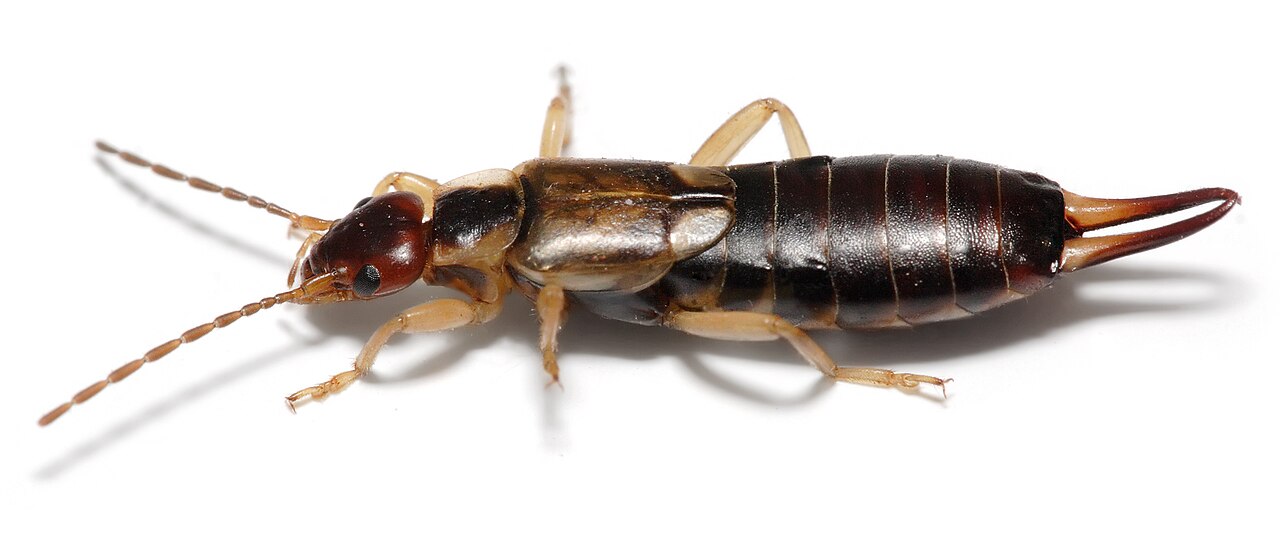


Anatomy and behavior
Key external features include short, shield-like forewings (tegmina) and larger, membranous hind wings that fold under them in species that can fly. The wing structure and folding mechanism are distinctive for this group (wing structure), while the tegmina are sometimes described as leather-like (forewing texture). The rear cerci are used for defense, prey handling and mating; their shape often differs between males and females.
Life cycle and social traits
Earwigs undergo incomplete metamorphosis: eggs, several nymphal stages and adults. Uncommonly for insects, many earwig species show maternal care—females guard and clean eggs and tend young nymphs until they molt a few times. This behavior is well documented and contributes to their survival in variable environments.
Diet and ecological role
Most earwigs are omnivorous, feeding on decaying plant material, living vegetation, and small invertebrates. They also consume insect eggs and larvae, so they can act as both decomposers and as predators that help control pests (feeding habits). In gardens they may nibble seedlings or soft fruits, but they are not generally considered major agricultural pests.
Relationship with humans
Popular myths claim earwigs crawl into human ears; this is rare and not supported as a common behavior. Earwigs do not spread human disease and are not dangerous; they can deliver a mild pinch with their cerci but rarely break skin. For practical concerns—such as occasional crop damage or nuisance indoors—basic sanitation and exclusion are the usual remedies rather than aggressive control (health and safety).
Key facts
- Order: Dermaptera
- Distinctive cerci (forceps) used for defense and mating
- Wing folding: hind wings folded under short forewings (see)
- Approximately 1,800 described species (species)
- Diet: omnivorous and opportunistic (feeding)
- Generally harmless to humans; do not spread disease (info)
For further reading about common species, anatomy and behavior, consult specialist sources and regional guides (forewing structure, species lists, diet notes).
Related articles
Author
AlegsaOnline.com Earwig (Dermaptera): appearance, biology, and interactions with people Leandro Alegsa
URL: https://en.alegsaonline.com/art/29596