
Daniel Harvey Hill (D. H. Hill): Confederate General and Educator
Overview of Daniel Harvey Hill (1821–1889), his military career from the Mexican–American War to the Civil War, the Special Order 191 controversy, reputation, and postwar life.
Daniel Harvey Hill (July 12, 1821 – September 24, 1889), commonly known as D. H. Hill, was an American soldier, college professor and Confederate general during the Civil War. He served earlier as an officer in the Mexican–American War, earned brevet promotions for his actions, and later left regular army service to work in higher education. Hill returned to military service after his home state joined the Confederacy and rose to high rank in the Army of Northern Virginia.
Image gallery
5 Images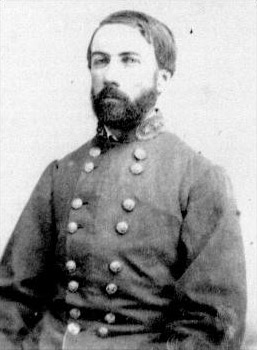


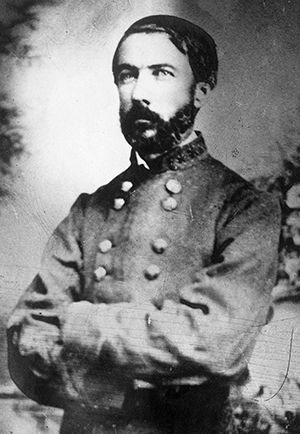

Early career and background
Before the Civil War Hill established a dual reputation as a capable officer and a stern instructor. He served in the U.S. Army during the Mexican–American War and received brevet promotions in recognition of his battlefield conduct. After that conflict he accepted appointments in civilian colleges as a professor, combining technical skill with a forceful personality. When North Carolina seceded, Hill accepted a commission with the state and quickly assumed command of volunteer infantry.
Civil War service and Special Order 191
Hill rose to prominence in 1861–1862, taking part in campaigns with the Army of Northern Virginia and earning promotion to the rank of major general. He earned both praise and criticism for his tactical aggressiveness and for disputes with other officers. One of the most consequential episodes associated with Hill is the loss of a copy of an operational document—commonly called "Special Order 191"—which was recovered by Union forces and passed to Union commander George B. McClellan. That discovery revealed Confederate dispositions during the Maryland Campaign and remains one of the better known intelligence episodes of the war.
Reputation, relationships and controversies
Contemporaries and later historians described Hill as skilled in small-unit tactics and determined in battle, yet difficult in command relationships. He had supporters who lauded his fighting qualities and detractors who criticized his temper and occasional insubordination. His interactions with senior commanders and political leaders were sometimes strained, and that contentiousness shaped the way historians have judged his career. Stonewall Jackson and other peers recognized Hill's military talents, while quarrels and high-profile incidents affected his public standing.
Later life and legacy
After the war Hill returned to civilian pursuits, including work in education and other enterprises typical of many former officers who sought to rebuild careers in the postwar South. He died in 1889. Over time Hill's reputation has been reassessed: he is remembered both for battlefield competence and for the controversies that complicated his command record. Students of Civil War leadership study Hill as an example of a capable tactical commander whose career was shaped by personality and circumstance.
Further reading and links
- D. H. Hill: overview and references
- Military rank and career summary
- Context: the American Civil War
- Brevet promotions and 19th-century military practice
- Captaincy and early officer roles
- Major (brevet) recognition
- Hill's academic appointments and teaching
- North Carolina and secession
- The Union and the question of secession
- 1st North Carolina Infantry and state regiments
- Army of Northern Virginia: organization and campaigns
- Reputation and historical assessment
- Special Order 191: the lost dispatch
- Robert E. Lee and the Maryland Campaign
- Maryland Campaign: overview
- Views calling Hill a military talent
- Lieutenant generals and senior Confederate officers
- Stonewall Jackson: peer perspectives
- Family connections and personal life
Note: This article provides a concise, neutral introduction to Daniel Harvey Hill. For extended study consult primary documents, regimental histories and modern scholarly biographies to explore controversies, detailed operations, and differing historical interpretations.
Questions and answers
Q: Who was D. H. Hill?
A: D. H. Hill was a Confederate Major general during the American Civil War.
Q: What were his accomplishments before the Civil War?
A: Before the Civil War, D. H. Hill served as an officer in the Mexican-American War and received two brevet promotions for his performance.
Q: What did D. H. Hill do after he left the army?
A: After he left the army, D. H. Hill became a Professor.
Q: How did D. H. Hill contribute to the Confederate army during the Civil War?
A: When North Carolina seceded from the Union, Hill was appointed Colonel of the 1st North Carolina Infantry. By 1862 he was a major general serving in the Army of Northern Virginia.
Q: What incident resulted in the tarnishing of D. H. Hill's reputation?
A: The lost copy of Special Order 191 which fell into the hands of Union general George McClellan tarnished D. H. Hill's reputation. This gave away Robert E. Lee's plans for the Confederate Maryland Campaign.
Q: Was D. H. Hill considered a military genius by anyone?
A: Yes, D. H. Hill was considered a military genius by some, including Lieutenant general Stonewall Jackson (his Brother-in-law).
Q: When was D. H. Hill born and when did he die?
A: D. H. Hill was born on July 12, 1821, and he died on September 24, 1889.
Related articles
Author
AlegsaOnline.com Daniel Harvey Hill (D. H. Hill): Confederate General and Educator Leandro Alegsa
URL: https://en.alegsaonline.com/art/25392
Sources
- civilwarhome.com : "Daniel Harvey Hill"
- civilwar.org : "Daniel Harvey Hill"
- ncscv.org : "Daniel Harvey Hill Bio-Sketch"
- nps.gov : "Daniel Harvey Hill"
- mycivilwar.com : "Major General D.H. Hill"
- militaryhistory.about.com : "American Civil War: Major General Daniel Harvey Hill"
- ncpedia.org : "Hill, Daniel Harvey"
- knowledgenuts.com : "The Lost Document That Changed The Civil War"
- nps.gov : "Antietam Battlefield - Bloody Lane"