
Army of Northern Virginia
Primary Confederate field army in the Eastern Theater during the American Civil War, best known under General Robert E. Lee; central to campaigns from 1862–1865 and surrendered at Appomattox.
The Army of Northern Virginia was the principal Confederate field army operating in the Eastern Theater of the American Civil War. It emerged as the Confederacy's most prominent formation in the east and spent much of the conflict opposing the Union's Army of the Potomac. Because its most famous commander led it through a long series of campaigns, it is commonly referred to as "Lee's army." Its record combines notable tactical successes with the strategic constraints faced by the Confederacy, including manpower shortages and limited industrial resources.
Image gallery
10 Images


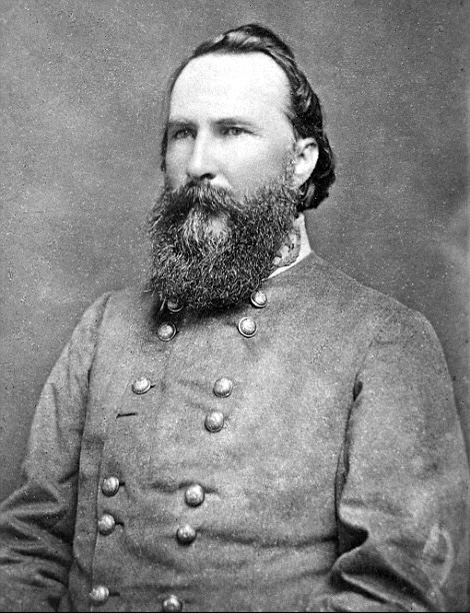

Origins and formation
The formation grew from earlier Virginia state forces and other Confederate units gathered to defend the Confederate capital and the surrounding states. Its organization evolved as the war progressed into a standard Civil War structure of infantry divisions and corps, a mounted cavalry arm, and artillery reserves. Contemporary overviews and compilations discuss the army in the broader context of Confederate armies (Confederate armies overview) and the campaigns of the Eastern Theater.
Command and leadership
During its early existence the army was led by several senior officers and staff figures; its best-known commander, Robert E. Lee, assumed command in June 1862 and remained its leader through the major campaigns that followed. Subordinate generals such as Thomas J. "Stonewall" Jackson, James Longstreet and others provided tactical leadership, while cavalry commanders like J. E. B. Stuart played critical reconnaissance and screening roles. Military biographical surveys and works on notable commanders provide detailed studies of these officers and their influence.
Organization and tactics
Infantry brigades composed the core of the army and were organized into divisions and corps. The cavalry served both as an independent striking arm and as the army’s eyes and ears, gathering intelligence and securing flanks. Artillery was employed in both massed assaults and defensive configurations. The army became well known for its aggressive maneuvering, flexible defensive positions and the tactical skill of many subordinate commanders, even as strategic limitations reduced its ability to sustain long campaigns.
Major campaigns and battles
- Early and middle-war operations in the Eastern Theater, including the Seven Days Battles and Second Bull Run.
- Antietam and the Maryland Campaign, which checked Confederate incursions north of the Potomac.
- Chancellorsville, often cited as a tactical high point for the army despite heavy losses.
- Gettysburg, a costly battle that marked a strategic turning point in the war.
- The Petersburg siege and the Appomattox campaign, culminating in the army's surrender in April 1865.
Throughout these operations the Army of Northern Virginia repeatedly faced Union forces operating to penetrate the Confederate political and logistical heartland. It often shaped Northern public reaction and prolonged the conflict through determined field performance, even when broader strategic conditions favored Union advantages in men and material. Histories of opposing units and the Army of the Potomac place many of the army’s actions in comparative perspective.
Logistics, decline and surrender
By the final year of the war the army suffered from dwindling supplies, reduced manpower and the cumulative effects of long campaigns. Extended trench warfare around Petersburg strained Confederate logistics and capacity for offensive action. In the spring of 1865 the army withdrew westward and, after the Appomattox campaign, surrendered in April 1865, ending its existence as an independent field army.
Legacy and study
Scholars and students continue to examine the Army of Northern Virginia for lessons in leadership, tactical innovation and soldier experience. Modern treatments assemble orders of battle, campaign analyses and personal accounts; for introductory material see general campaign studies of the Civil War and specialized Eastern Theater resources (theater accounts). Comparative studies that consult Union operational records and histories of the Army of the Potomac or Union archival sources (Union sources) broaden understanding. For focused biographies and unit histories, collections on commanding officers and staff offer deeper context (commanders, Robert E. Lee).
Questions and answers
Q: Which army was the most successful of any Confederate army during the American Civil War?
A: The Army of Northern Virginia.
Q: What was the main Confederate fighting force in the Eastern Theater of the American Civil War?
A: The Army of Northern Virginia.
Q: Which Union army did the Army of Northern Virginia often fight against?
A: The Union Army of the Potomac.
Q: Who was the final leader of the Army of Northern Virginia?
A: General Robert E. Lee.
Q: When did Robert E. Lee take over as leader of the Army of Northern Virginia?
A: June of 1862.
Q: What was the Army of Northern Virginia often referred to as?
A: "Lee's army".
Q: How many generals led the Army of Northern Virginia during its early history?
A: The text does not give a specific number.
Related articles
Author
AlegsaOnline.com Army of Northern Virginia Leandro Alegsa
URL: https://en.alegsaonline.com/art/5758
Sources
- encyclopediavirginia.org : "Army of Northern Virginia"
- pbs.org : "General Article: The Army of Northern Virginia"
- civilwar.org : "Robert E. Lee"
- blueandgraytrail.com : "Army of Northern Virginia"
- encyclopediavirginia.org : "G. T. Beauregard (1818–1893)"
- history.com : "Albert Sidney Johnston"
- civilwarhome.com : "Pierre Gustave Toutant Beauregard"
- encyclopediavirginia.org : "Seven Days' Battles"
- historynet.com : "Seven Days Battle"
- nps.gov : "Casualties of Battle"
- thomaslegion.net : "Why Lee Invaded Maryland"
- encyclopediavirginia.org : "Maryland Campaign"
- civilwar.org : "Antietam"
- biography.com : "Robert E. Lee Biography"
- theatlantic.com : "'We Have Received Provocation Enough'"