
Daniel Johnston: outsider musician, artist, and cult cultural figure
Daniel Johnston (1961–2019) was an American singer-songwriter and visual artist known for lo-fi home recordings, naïve drawings, candid lyrics, and a highly visible struggle with bipolar disorder that shaped his work.
Daniel Johnston (January 22, 1961 – September 11, 2019) was an American songwriter, singer and artist whose intimate, unpolished recordings and naïve visual work won him a devoted following beyond the mainstream. He spent most of his adult life in Texas, where a loose network of friends, musicians and small labels helped his tapes, records and drawings circulate. Johnston’s life and music were shaped by his diagnosis of bipolar disorder, a theme that appears openly in many songs and in accounts of his career.
Image gallery
2 Images
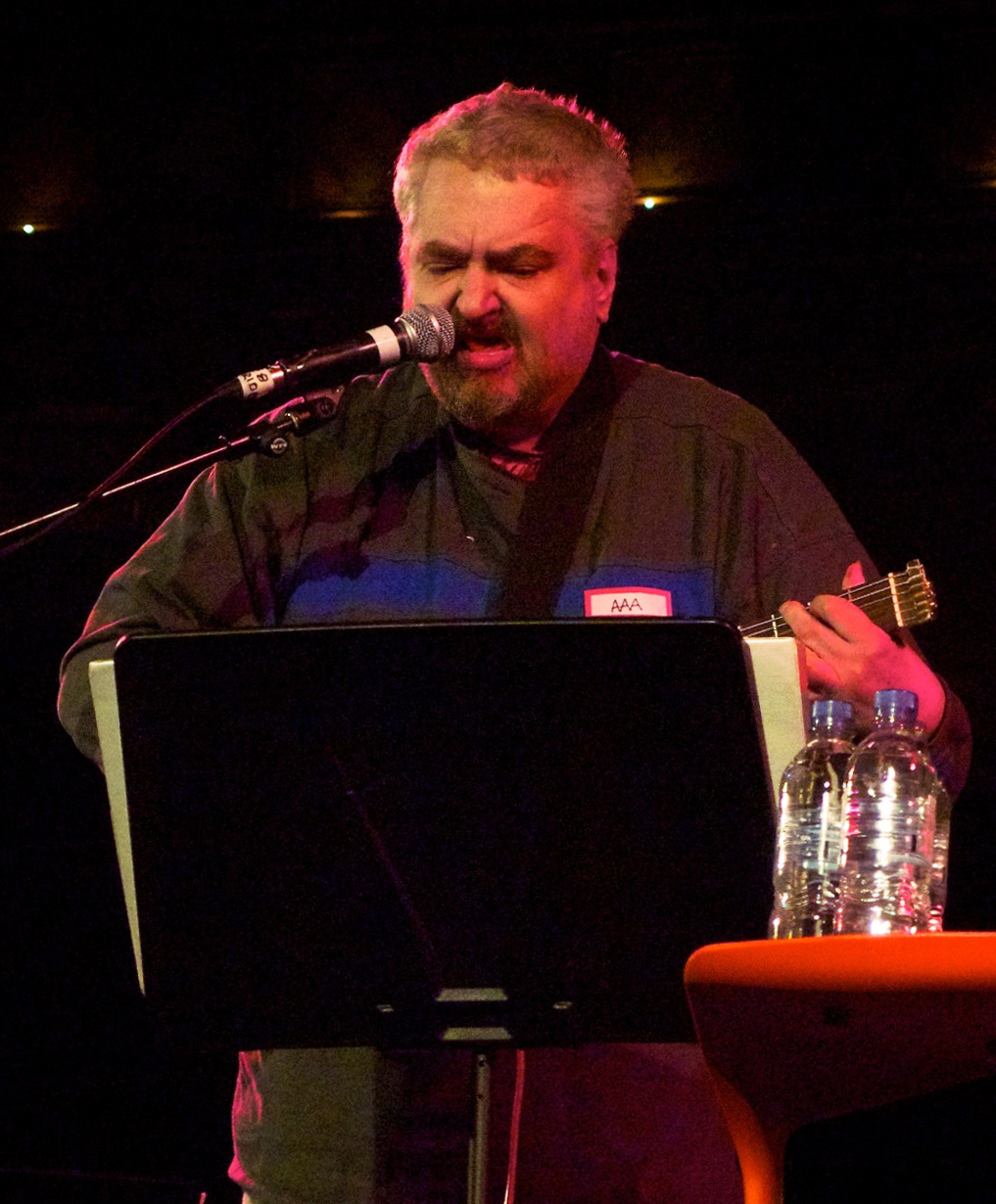
Early life and influences
Johnston was born in Sacramento, California, and grew up in West Virginia in a family that practiced a form of Christian faith. From an early age he was drawn to pop melodies and cited the Beatles among the formative influences on his songwriting. After a brief period at college he moved to Texas to live with his brother. In the 1980s he briefly joined a circus and later found community and shelter in Austin, which became the geographic center for his recordings and performances.
Lo-fi recordings and DIY practice
Johnston’s musical reputation grew from self‑recorded cassette tapes made at home on a chord organ or simple guitar. He duplicated tapes, handed them out, and traded them with friends and fellow musicians. These homemade recordings—characterized by direct melodies, candid confessions and an economy of means—established him as an important figure in the independent and college‑radio scenes. His approach resisted studio gloss; the emotional immediacy of his songs often mattered more to listeners than polished production.
Visual art and iconography
Alongside music, Johnston produced a prolific body of drawings: childlike figures, recurring characters and symbolic motifs that he reproduced on album covers, posters and T‑shirts. His work is frequently described as outsider or naïve art. Those images reached a wider audience when other musicians and fans wore them publicly, and his drawings have been exhibited in galleries. In many accounts Johnston is presented equally as a visual artist and musician.
Career highlights and public recognition
Although Johnston released material on small labels for much of his career, he briefly worked with a major label and continued to issue albums and compilations through the 1990s and 2000s; one widely noted release was the Atlantic Records album Fun (1994). Television exposure and advocacy from well‑known peers helped expand his audience: he appeared on programs including MTV, and the endorsement of prominent alternative musicians—most famously when Kurt Cobain wore a T‑shirt bearing Johnston’s artwork—brought additional attention.
Mental health and community support
Johnston’s experience of mental illness was a central thread in both his art and public image. Periods of prolific songwriting and performance alternated with episodes of crisis. Friends, family and the Austin community provided varying degrees of care and support over the years; his faith and recurring religious imagery appear alongside songs of romantic longing and frank self‑examination.
Documentary, later work and legacy
The documentary The Devil and Daniel Johnston introduced his life and work to wider audiences and remains a common entry point for those discovering him. He continued to create music and drawings throughout his life; later releases and appearances show continuity with his early style while reflecting the realities of an artist who had achieved cult recognition. His drawings and recordings are cited by many indie and alternative musicians as influential for their honesty and vulnerability.
Selected facts
- Born in Sacramento: place of birth.
- Raised in West Virginia: childhood region.
- Raised in a Christian household: religious background.
- Based in Austin, Texas during his creative peak: Austin.
- Worked as a songwriter and performer and produced handmade records and tapes: songwriting.
- Known for his visual art that adorned many releases: artwork.
- Experienced and lived with bipolar disorder: health.
- Appeared in media and was championed by peers: television and musical endorsements.
- Spent much of his adult life in Texas: Texas.
- Died at his home in Waller, Texas: place of death.
Johnston’s work continues to be referenced for its emotional directness and its example of how personal, outsider creativity can move into broader cultural awareness. For many listeners his recordings and images remain valued for their sense of immediacy and authenticity, and his life story continues to prompt discussions about the intersections of creativity and mental health.
Questions and answers
Q: What is the name of the movie about Daniel Johnston's life and music career?
A: The movie about Daniel Johnston's life and music career is called The Devil and Daniel Johnston.
Q: Where did Daniel Johnston grow up?
A: Daniel Johnston grew up in West Virginia in a Christian family.
Q: What happened when he joined a circus?
A: When he joined a circus, another worker beat him up for taking too long in a restroom so he left the circus.
Q: How did his music career start?
A: His music career started in Austin, Texas in the 1980s when he made cassette tapes of songs he performed on a chord organ and gave them out for free to people he met.
Q: Who wore one of his CDs cover art on their T-shirt?
A: Nirvana singer Kurt Cobain wore one of his CDs cover art on their T-shirt.
Q: What was the name of his CD released by Atlantic Records?
A: The CD released by Atlantic Records was called Fun, which came out in 1994.
Q: When did Johnston die?
A:Daniel Johnston died of a suspected heart attack at his home in Waller, Texas on September 11, 2019. He was 58 years old.
Related articles
Author
AlegsaOnline.com Daniel Johnston: outsider musician, artist, and cult cultural figure Leandro Alegsa
URL: https://en.alegsaonline.com/art/25394
Sources
- boston.com : "His life is troubling, his fame disturbing"
- elsewhere.co.nz : "In a mixed up, shook up world"
- search.japantimes.co.jp : "Failing to tame a beast within"
- sonyclassics.com : "The Devil and Daniel Johnston"
- mtv.com : "Film Brings Kurt Cobain's Favorite Songwriter To Big Screen"
- guardian.co.uk : "Philip Seymour Hoffman in talks to play Daniel Johnston? | Music | guardian.co.uk"
- austinchronicle.com : "Austin Songwriting Genius Daniel Johnston Dead at 58"
- nytimes.com : "Daniel Johnston, Enigmatic Singer-Songwriter, Is Dead at 58"