
Daniel Keyes: author of Flowers for Algernon and science fiction contributor
Overview of Daniel Keyes (1927–2014), best known for Flowers for Algernon, his themes, major works, awards, adaptations and influence on speculative and mainstream fiction.
Daniel Keyes (August 9, 1927 – June 15, 2014) was an American writer whose work bridged mainstream literary concerns and speculative ideas. He is best known for "Flowers for Algernon," a story first published in the late 1950s and later expanded into a novel. Keyes began his career in magazine publishing and later taught and wrote both fiction and nonfiction, often focusing on the inner life of his characters and ethical questions raised by scientific advancement.
Image gallery
1 Image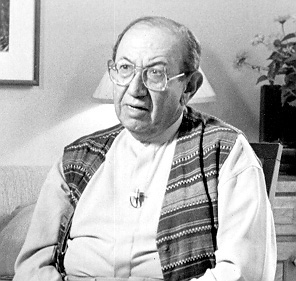
Major works and publication history
Keyes first reached wide recognition with the short story version of "Flowers for Algernon," which was widely anthologized; he later expanded the material into a novel that further established his reputation. The title has been reprinted in many editions and translated into numerous languages. Beyond Algernon, Keyes wrote other pieces of fiction and nonfiction, including a well-known account of a high-profile criminal case that reached popular audiences. For a concise author overview, see author overview.
Themes, style and significance
Keyes is noted for blending speculative premises with psychological realism. He frequently used first-person or epistolary forms to track changes in perception and cognition, allowing readers to experience shifts in intelligence, memory, and selfhood alongside his protagonists. His work raises enduring questions about the ethics of experimentation, consent, the treatment of people with disabilities, and the social consequences of altering human capacities.
Awards and adaptations
The short story and novel versions of "Flowers for Algernon" received major genre recognition: the short story won a Hugo award and the expanded novel earned a Nebula award, marking both popular and peer acclaim; more on these honors can be found at Hugo award details and Nebula award details. The novel was adapted for stage, television and film; a prominent film adaptation brought the story to a broader audience and helped sustain its cultural presence. Readers interested specifically in the title and its adaptations may consult Flowers for Algernon.
Recognition and legacy
In 2000 the Science Fiction and Fantasy Writers of America presented Keyes with an Author Emeritus honor in recognition of his sustained contributions; see SFWA for information about that distinction. His work remains widely taught and discussed for its human-centered exploration of scientific themes rather than technical detail, influencing writers and educators who address ethics, cognition, and narrative empathy.
Personal life and death
Keyes lived in Florida in his later years. He died at age 86 from complications of pneumonia in Boca Raton; for general medical context see pneumonia information, and for local context see Boca Raton. After his death, obituaries and retrospectives assessed both his craft and the long cultural presence of his best-known work, which continues to prompt discussion about how fiction can engage scientific and moral questions.
- Notable work: "Flowers for Algernon" (short story and novel).
- Recurring topics: intelligence, memory, identity, ethics of experimentation.
- Recognition: Hugo and Nebula awards; SFWA Author Emeritus.
Related articles
Author
AlegsaOnline.com Daniel Keyes: author of Flowers for Algernon and science fiction contributor Leandro Alegsa
URL: https://en.alegsaonline.com/art/25395
Sources
- academic.depauw.edu : "Keyes Biography"
- sfwa.org : "In Memoriam – Daniel Keyes 1927-2014"