
Stonewall Jackson (Thomas J. Jackson)
Thomas “Stonewall” Jackson (1824–1863) was a Confederate general renowned for his tactical skill in the American Civil War, his Shenandoah Valley campaign, and his mortal wounding at Chancellorsville.
Thomas Jonathan "Stonewall" Jackson (1824–1863) was a senior Confederate general whose operational skill and aggressive maneuvers made him one of the most famous figures of the American Civil War. Born in what is now West Virginia, Jackson graduated from West Point, served in the Mexican–American War, and later taught at the Virginia Military Institute before assuming a field command when Virginia seceded.
Image gallery
10 Images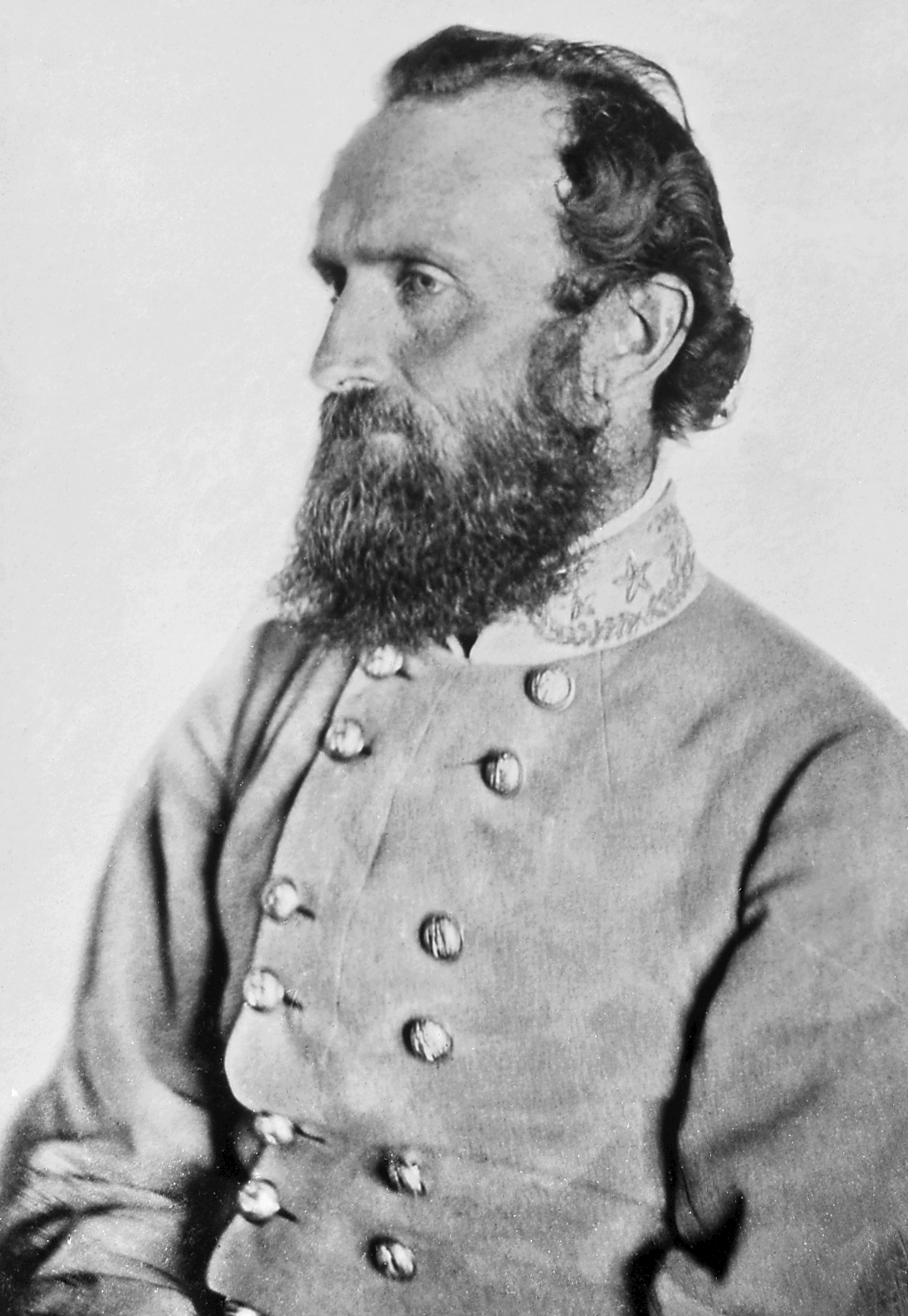


Reputation and nickname
Jackson acquired the sobriquet "Stonewall" early in the conflict during the First Battle of Bull Run, when observers said he stood like a stone wall while rallying troops. His calm demeanor, strict discipline, and use of speed and surprise earned praise and the description of a brilliant strategist. He became a close subordinate of Robert E. Lee, whose campaigns were often credited as benefiting from Jackson’s audacity and initiative.
Military characteristics and campaigns
Jackson was known for rapid marches, flexible use of infantry, and an ability to use terrain to advantage. His 1862 Shenandoah Valley campaign demonstrated how maneuver and timing could distract larger enemy forces and influence operations elsewhere. Other notable actions included the Confederate successes at the Seven Days, Second Bull Run, and the defense of Fredericksburg. His command style emphasized obedience, concealment, and sudden strikes.
Wounding and death
At the Battle of Chancellorsville Jackson was mortally wounded by friendly fire on the night of May 2, 1863, while reconnoitering beyond his lines. His left arm was so severely injured that surgeons had to amputate it, removing the limb two inches below the shoulder. He lingered for eight days and died on May 10 at age 39. Historically, death was attributed to infection or pneumonia; modern studies suggest a probable fatal pulmonary embolism, although the exact cause remains debated and some accounts continue to cite pneumonia.
Legacy and historical notes
Jackson’s death was a severe loss for the Confederacy and altered the course of later campaigns. He is remembered both for tactical brilliance and for the complex moral and political context of the cause he defended. Monuments, biographies, and military studies have examined his leadership, while historians continue to assess his impact alongside controversies over Civil War memory and commemoration.
Key facts
- Born: 1824 in what is now West Virginia; educated at West Point.
- Prewar career: military officer, Mexican–American War veteran, professor at Virginia Military Institute.
- Famous for: Shenandoah Valley campaign, rapid maneuvering, cooperation with Lee.
- Wounded at Chancellorsville (friendly fire), arm amputated, died May 10, 1863.
Related articles
Author
AlegsaOnline.com Stonewall Jackson (Thomas J. Jackson) Leandro Alegsa
URL: https://en.alegsaonline.com/art/94062
Sources
- biography.com : "Stonewall Jackson Biography"
- docsouth.unc.edu : "Memories of Stonewall Jackson"
- historynet.com : "America's Civil War: Stonewall Jackson's Last Days"