
Genius: definition, traits, history, and notable examples
An accessible overview of what 'genius' means: characteristics, historical perspectives, measurement limits, famous examples, distinctions from talent, and common misconceptions.
Overview
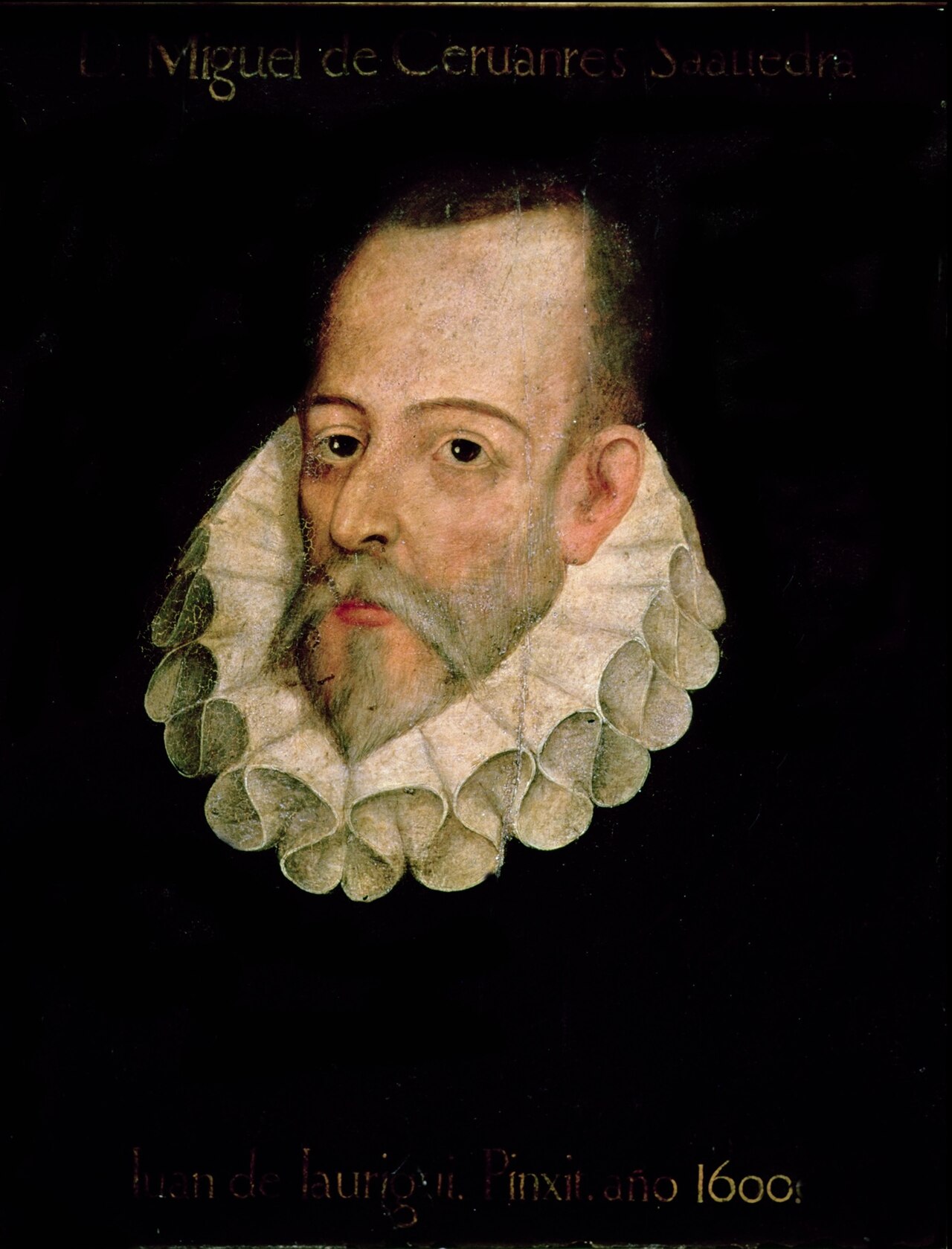
A "genius" is commonly understood as a person who shows exceptional intellectual or creative ability in one or more areas. The term is used across disciplines to describe extraordinary problem‑solving, original thinking, or artistic achievement. People may call someone a genius for breakthroughs in mathematics, advances in science, mastery of strategic play like chess, or outstanding creative work as a writer, musician, or artist.
Image gallery
10 Images





Common characteristics
Descriptions of geniuses emphasize a mix of cognitive, emotional and behavioral traits rather than a single quality. Typical features noted by scholars and observers include:
- Deep concentration and the ability to sustain attention on complex problems.
- Originality and creative insight that produce novel ideas or forms.
- Intense curiosity and rapid assimilation of new information.
- Domain specificity: exceptional performance is often concentrated in particular fields rather than uniformly high across all areas.
History and cultural views
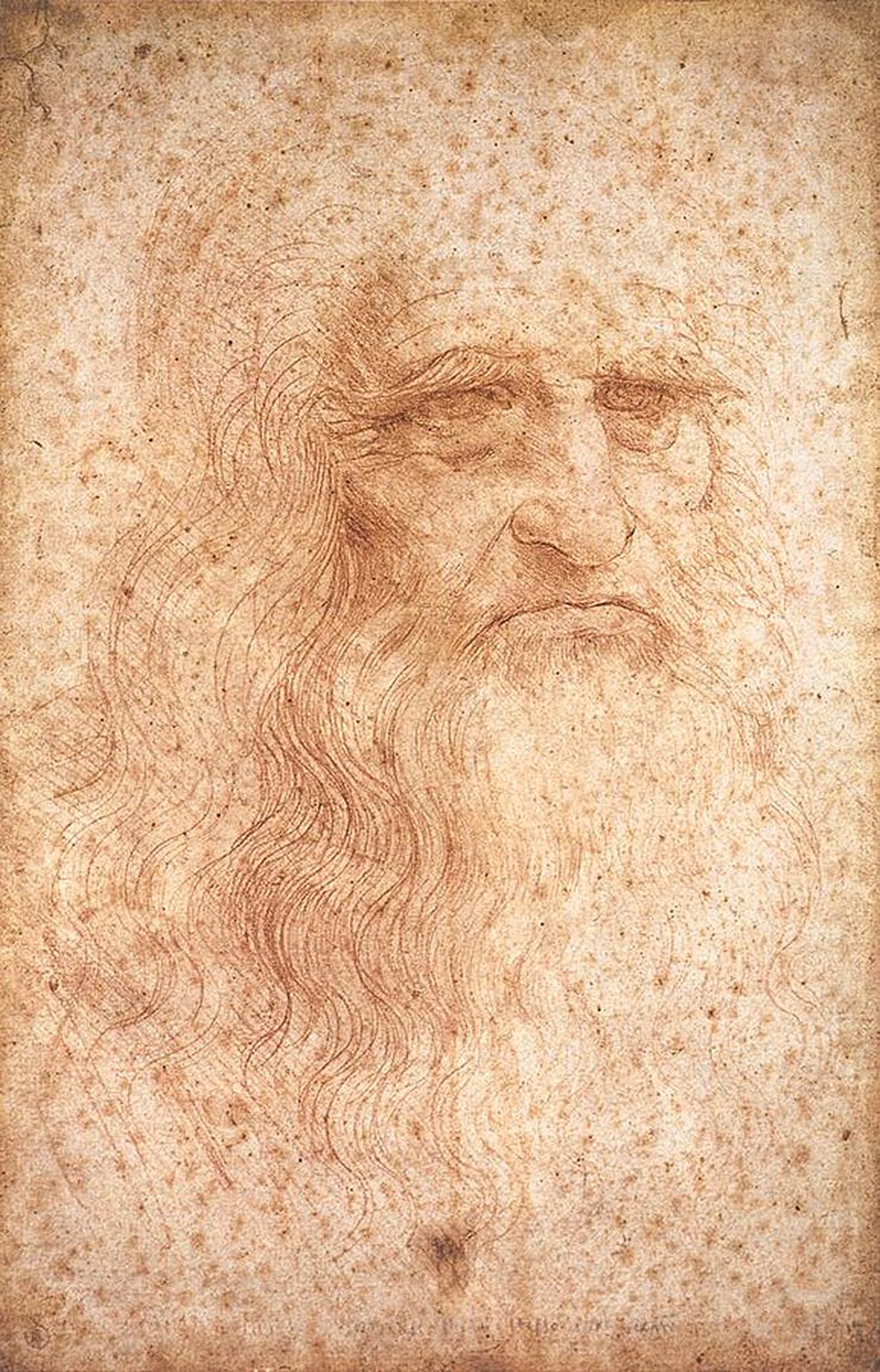
The idea of genius has evolved. In classical eras talent and craft were prized; during the Renaissance and Enlightenment the notion of extraordinary individual creativity gained prominence. Some historical figures are commonly cited as archetypes: Albert Einstein for scientific insight, Leonardo da Vinci for wide-ranging genius across art and engineering, and Johann Wolfgang von Goethe as a literary and intellectual polymath. Such figures are often described as polymaths because they contributed in many domains rather than a single specialty.
Measurement, talent, and prodigies
Attempts to measure genius have included intelligence tests (IQ) and assessments of creative achievement, but these tools have limits. High scores on standardized tests correlate with certain forms of problem‑solving yet do not fully capture originality or practical impact. "Talent" is often defined as the ability to learn or perform a skill quickly; by contrast, the label "genius" implies a deeper capacity for novel contributions. Some geniuses show precocious ability as child prodigies, while others develop notable work later in life. The distinction between innate disposition and effects of long practice or education remains an open topic in research.
Personality, health, and myths
Popular images sometimes link genius with eccentricity, absent‑mindedness, mood variation, or creative suffering. While many eminent creators have unconventional personalities or mental‑health challenges, these associations are complex and not universal. Competent organization and reliability are also found among accomplished innovators. The stereotypes—such as the lone tortured genius or the effortless born prodigy—oversimplify how social support, training, and perseverance contribute to major achievements.
Importance and practical implications
Recognizing genius matters for how societies value education, fund research, and cultivate creative potential. Encouraging deep study, interdisciplinary curiosity and environments that permit experimentation can help individuals realize exceptional abilities. At the same time, policymakers and educators distinguish exceptional aptitude from everyday talent (talent) and design systems that support both early promise and later development. For further reading about creativity in science and arts see resources on scientific innovation and biographies like those of Einstein and da Vinci.
For concise definitions and related topics explore entries on related fields such as mathematics, chess, language abilities like language learning, and the psychology of creativity (writing, music, visual arts). These areas illustrate how exceptional ability can appear in diverse forms and how culture shapes our recognition of genius.
Finally, the concept of genius remains fluid: it blends measurable skill, recognized achievement, and cultural judgment. Understanding that mixture helps separate myth from evidence and supports balanced approaches to nurturing exceptional minds.
Author
AlegsaOnline.com Genius: definition, traits, history, and notable examples Leandro Alegsa
URL: https://en.alegsaonline.com/art/38022