
Robert E. Lee
Robert E. Lee (1807–1870) was an American military officer who commanded the Confederate Army of Northern Virginia during the Civil War; his life and legacy remain central to debates over memory and history.
Overview
Robert Edward Lee (January 19, 1807 – October 12, 1870) was an American military officer best known for commanding the Confederate Army of Northern Virginia in the American Civil War. Trained as an engineer and a career officer in the United States Army, Lee served with distinction before the war and rose to prominence as a commander in the Confederacy. His military skill, personal reputation, and later role in postwar reconciliation made him one of the most prominent and controversial figures in 19th-century American history.
Image gallery
10 Images



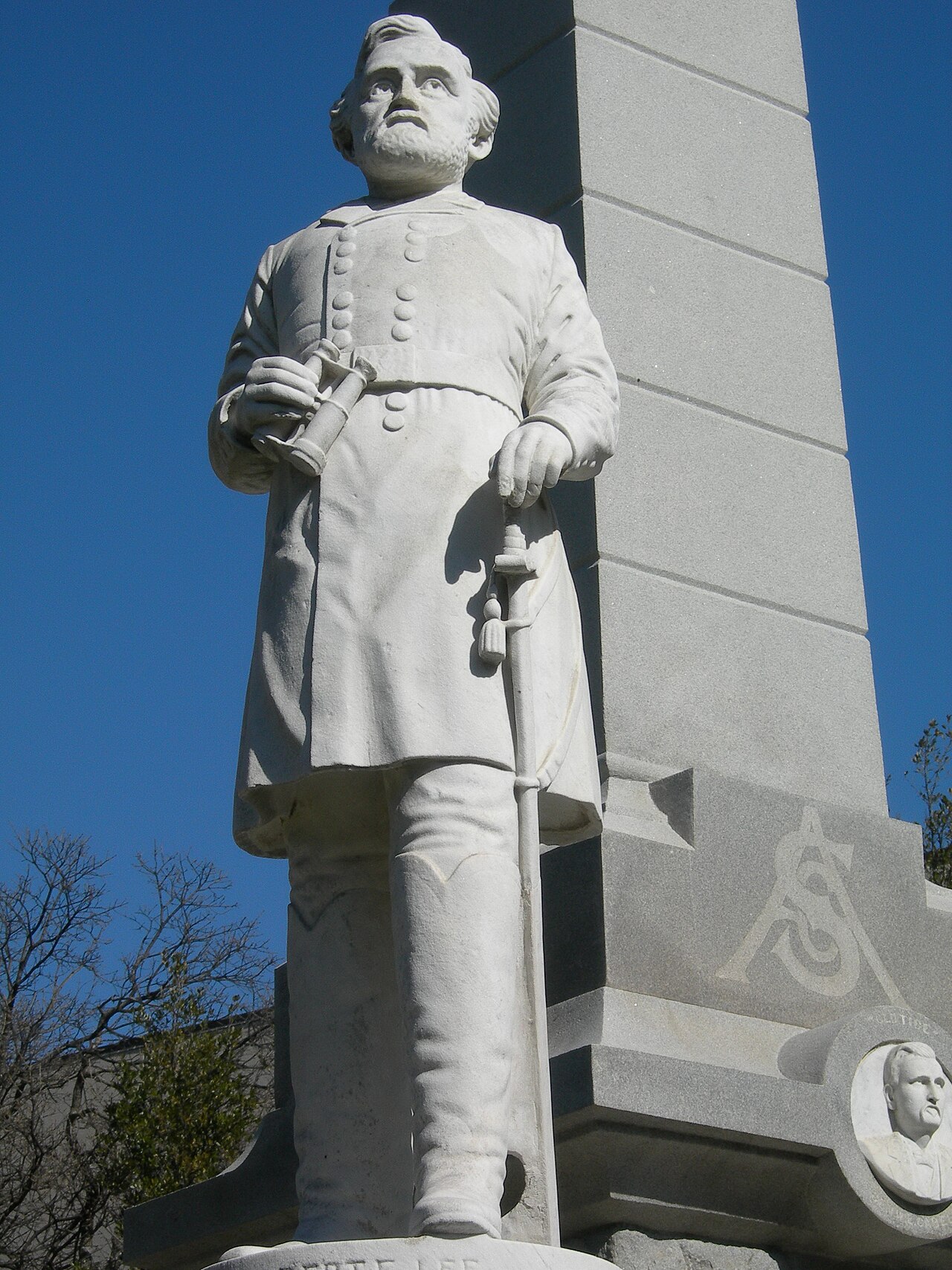

Early life and prewar career
Lee graduated from the United States Military Academy at West Point and built an early career as an engineer and cavalry officer. He served as a staff officer and engineer in peacetime assignments and won recognition for his service in the Mexican–American War. In the 1850s he returned to West Point in an administrative role and was widely regarded for his professional competence. In 1859, then a colonel, he led a force of U.S. troops, including a battalion of marines, to suppress the raid at Harpers Ferry and capture the abolitionist leader John Brown, actions that increased his national visibility and tested his loyalty to federal authority.
Civil War command
When Virginia seceded, Lee faced a personal and political decision: he declined broader Union command and instead accepted a senior role with the Confederate forces, stating that he could not take up arms against his native state. As a senior Confederate commander and later as General-in-chief of the Confederate States Army, Lee led the Army of Northern Virginia in the Eastern Theater of the American Civil War. His campaigns included offensive and defensive operations across Virginia and into the North; notable engagements involved maneuvers in the Eastern Theater and major battles that shaped the course of the war.
Surrender, later life and views
After sustained campaigning and the cumulative attrition of Confederate forces, Lee surrendered his principal army at Appomattox Court House in April 1865, effectively marking the end of large-scale Confederate resistance. Following the war he became president of a college in Lexington, where he worked on education and reconciliation during Reconstruction. Lee discouraged further armed resistance to the federal government and urged acceptance of the results of the conflict, while his personal positions on slavery and race have been widely discussed and debated by historians.
Legacy and historical assessment
Lee's military reputation rests on tactical skill, the quality of his organized forces, and his leadership in challenging circumstances, though critics point to strategic limitations and the decisive defeat at Gettysburg. After his death in 1870, he became an emblematic figure in Southern memory and the "Lost Cause" narrative, inspiring monuments and continued public debate. Today his life is examined from multiple perspectives: military history, the ethics of service to a seceding state, and the politics of memory and commemoration.
Selected facts and contexts
- Early career: West Point education and engineering background, service in the Mexican–American War.
- Harpers Ferry: Commanded U.S. forces that captured John Brown and secured the Harpers Ferry Armory during the 1859 raid, an event that heightened sectional tensions.
- Civil War role: Declined federal command to remain loyal to Virginia, later led the Army of Northern Virginia in the Eastern Theater under the banner of the Confederate States Army.
- Rank and units: Served earlier as a colonel in the United States Army and commanded mixed forces including battalion and marine units during domestic actions.
- Contested memory: Monuments, historiography, and public commemoration have made Lee a lasting focus of debate.
For additional context on specific battles, decisions, and primary documents, see linked resources and specialized studies that examine Lee's campaigns, personal correspondence, and postwar writings. Useful entry points include military histories, biographies, and collections of wartime records that provide detailed analysis of tactics, logistics, and political consequences.
More on his rank and early appointments · United States Army service · Confederate leadership · Civil War overview · Army of Northern Virginia · Eastern Theater operations · West Point connections · Unit types and organization · Marine detachments · Domestic security actions · Harpers Ferry armory · John Brown and abolitionist violence
Questions and answers
Q: Who was Robert E. Lee?
A: Robert E. Lee was an American colonel in the United States Army who served as the General-in-chief of the Confederate States Army during the American Civil War.
Q: What position did Robert E. Lee hold during the American Civil War?
A: Robert E. Lee held the position of General-in-chief of the Confederate States Army during the American Civil War.
Q: What army did Robert E. Lee lead during the American Civil War?
A: Robert E. Lee led the Army of Northern Virginia in the Eastern Theater of the American Civil War.
Q: What was Robert E. Lee's role in the Mexican-American War?
A: Robert E. Lee was an officer in the Mexican-American War.
Q: What was Robert E. Lee's position at West Point?
A: Robert E. Lee was head of West Point before the American Civil War.
Q: What action did Robert E. Lee take as a colonel in the United States Army?
A: As a colonel in the United States Army, Robert E. Lee led a battalion of marines to put down the rebellion at Harpers Ferry Armory and captured their leader, John Brown.
Q: What were some of Robert E. Lee's career accomplishments?
A: Some of Robert E. Lee's career accomplishments include serving as General-in-chief of the Confederate States Army during the American Civil War, leading the Army of Northern Virginia, serving in the Mexican-American War, and being head of West Point.
Author
AlegsaOnline.com Robert E. Lee Leandro Alegsa
URL: https://en.alegsaonline.com/art/144935