
Daniel Burnham: American Architect and City Planner Who Shaped the Modern City
Daniel H. Burnham (1846–1912) was an American architect and urban designer known for the 1893 World's Columbian Exposition, the 1909 Plan of Chicago and his influence on the City Beautiful movement.
Daniel Hudson Burnham was a leading American architect and urban designer whose work in the late 19th and early 20th centuries helped shape the look and planning of major American cities. He is best known for directing the architectural program of the 1893 World's Columbian Exposition in Chicago and for promoting comprehensive civic plans, most notably the 1909 Plan of Chicago. Burnham's career combined the design of individual landmark buildings with large‑scale urban design and infrastructure projects in places including Washington, D.C., New York City and Chicago. He was also associated with improvements to the Chicago lakefront and initiatives connected to Navy Pier.
Image gallery
10 Images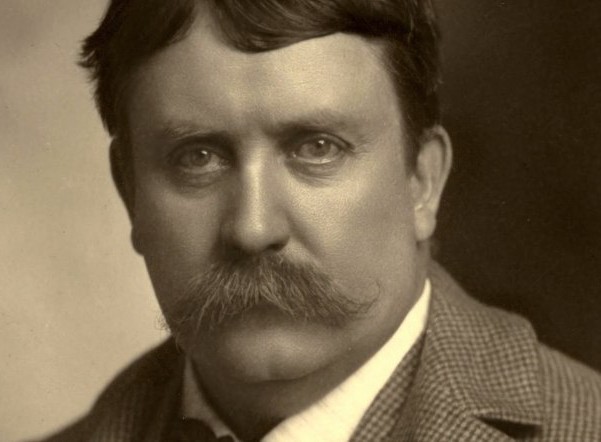



Early life and training
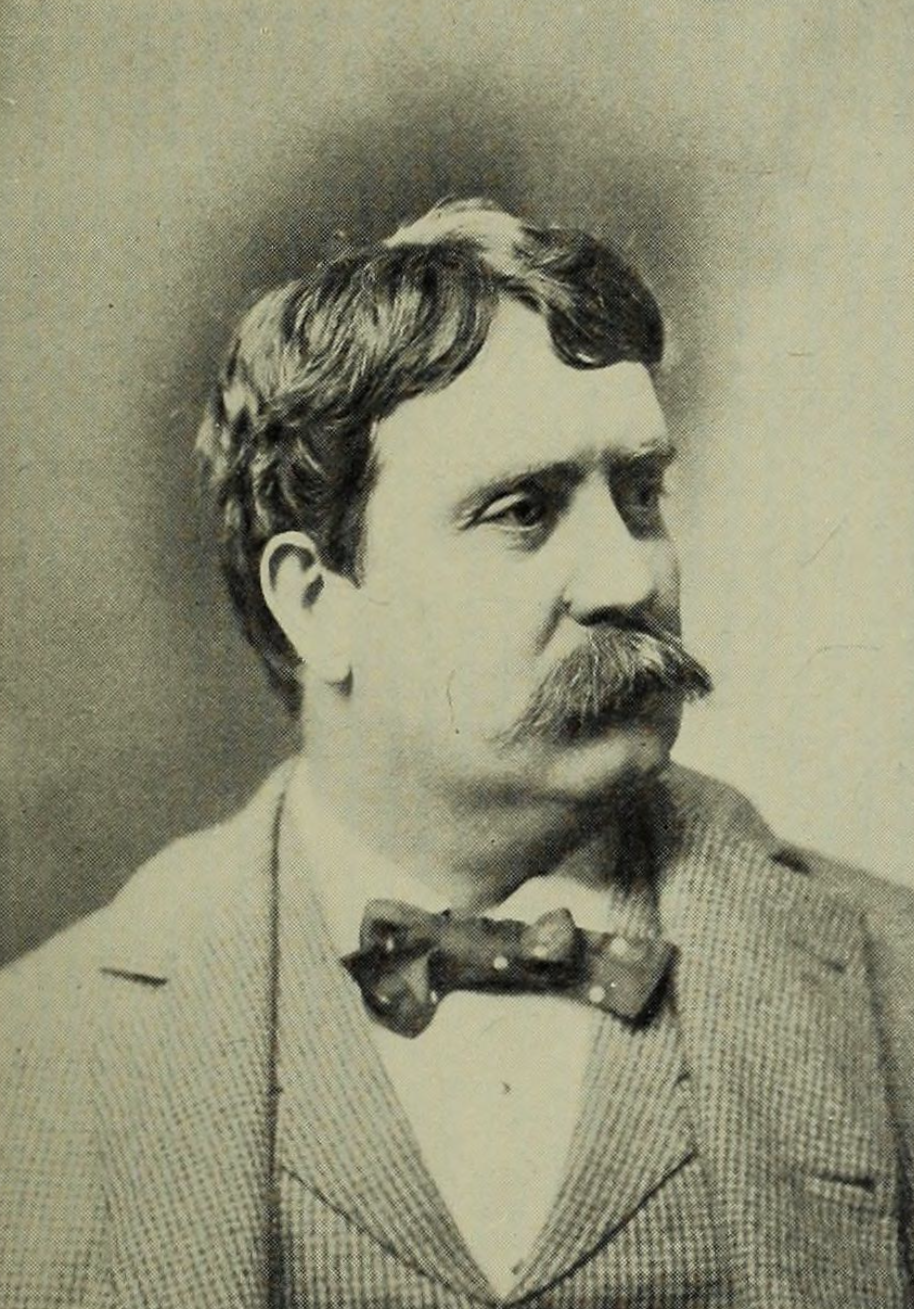
Burnham was born on September 4, 1846, in Henderson, New York. His family moved to Chicago, in Illinois, where he spent his formative years. He sought formal study but did not attend the nation's leading universities after being turned down by applications to Yale and Harvard. Instead he trained in architectural offices and rose through practical experience, developing skills in drawing, project coordination and design management. He later entered a partnership with John Wellborn Root, forming the influential firm Burnham & Root, and subsequently led his own practice, using the office both to produce buildings and to pursue large civic commissions.
Major works and commissions
Burnham's work spanned commercial buildings, railroad terminals, exposition planning and civic schemes. He achieved national prominence as the director of works and the supervising architect for the World's Columbian Exposition of 1893 in Chicago, where a coordinated set of classical, white‑marble buildings and formal landscapes advanced a coherent aesthetic and influenced taste across the United States. In New York he is associated with commercial office buildings such as the Flatiron Building, which demonstrated his ability to integrate architectural presence with dense urban sites. In Washington, D.C., Burnham and his office undertook major commissions including transportation terminals and planned approaches that emphasized monumental axes and procession. In Chicago he advocated waterfront improvement, lakefront parks and civic boulevards; projects connected to Navy Pier and the broader lakefront scheme reflect that long‑term interest.
- Leadership of the 1893 World's Columbian Exposition and its coordinated architectural program, which popularized Beaux‑Arts planning in the United States.
- Design of prominent urban buildings, including work associated with the Flatiron Building in New York City.
- Major civic commissions and transportation terminals in Washington, D.C. that emphasized grand, processional spaces.
- Comprehensive planning work in Chicago, including elements later reflected in proposals for lakefront development and public piers such as Navy Pier.
Plan of Chicago and planning principles
Burnham co‑authored the 1909 Plan of Chicago, often referred to simply as the Burnham Plan. The document proposed parks and civic centers, new arterial boulevards, improved lakefront access and organized street patterns to improve traffic circulation and public amenity. The plan promoted strong visual axes, monumental civic buildings, coordinated urban design and integration of transportation and open space. These ideas were central to the City Beautiful movement, which argued that aesthetic improvements to cities would support civic pride and social order. Burnham urged ambitious, large‑scale solutions and is popularly associated with the phrase encouraging bold planning—an expression that captures his belief in comprehensive schemes and dignified public architecture.
Influence and legacy
Burnham's influence survives in built landmarks and in the vocabulary of American urban planning. The coordinated classical compositions of the Columbian Exposition, large civic terminals and the proposals of the Plan of Chicago informed later municipal planning efforts across the United States. Planners and architects credit Burnham with popularizing the idea that cities benefit from coherent design principles, formal public spaces and integrated transportation networks. His work also helped establish the professional role of the urban planner, moving city design beyond isolated buildings to include parks, streets and waterfronts as connected systems.
Personal life and death
Burnham married Margaret Sherman in 1876 and the couple had two children. Throughout his life he traveled frequently for work and study, visiting European cities to observe planning examples and meet other architects. While on a visit to Heidelberg in Germany, he died on June 1, 1912, from complications of diabetes. His body was returned to Chicago and he was buried at Graceland Cemetery in Uptown, Chicago. Burnham is remembered both for individual buildings and for advancing the practice of city planning in the United States, leaving a durable imprint on American urbanism.
Related articles
Author
AlegsaOnline.com Daniel Burnham: American Architect and City Planner Who Shaped the Modern City Leandro Alegsa
URL: https://en.alegsaonline.com/art/25382
Sources
- architechgallery.com : "Daniel Hudson Burnham"