
Uptown, Chicago — neighborhood overview and history
Uptown is a diverse community area on Chicago's North Side with lakefront parks, historic theaters and music venues, notable cemetery grounds, and a long history as an entertainment and residential district.
Overview
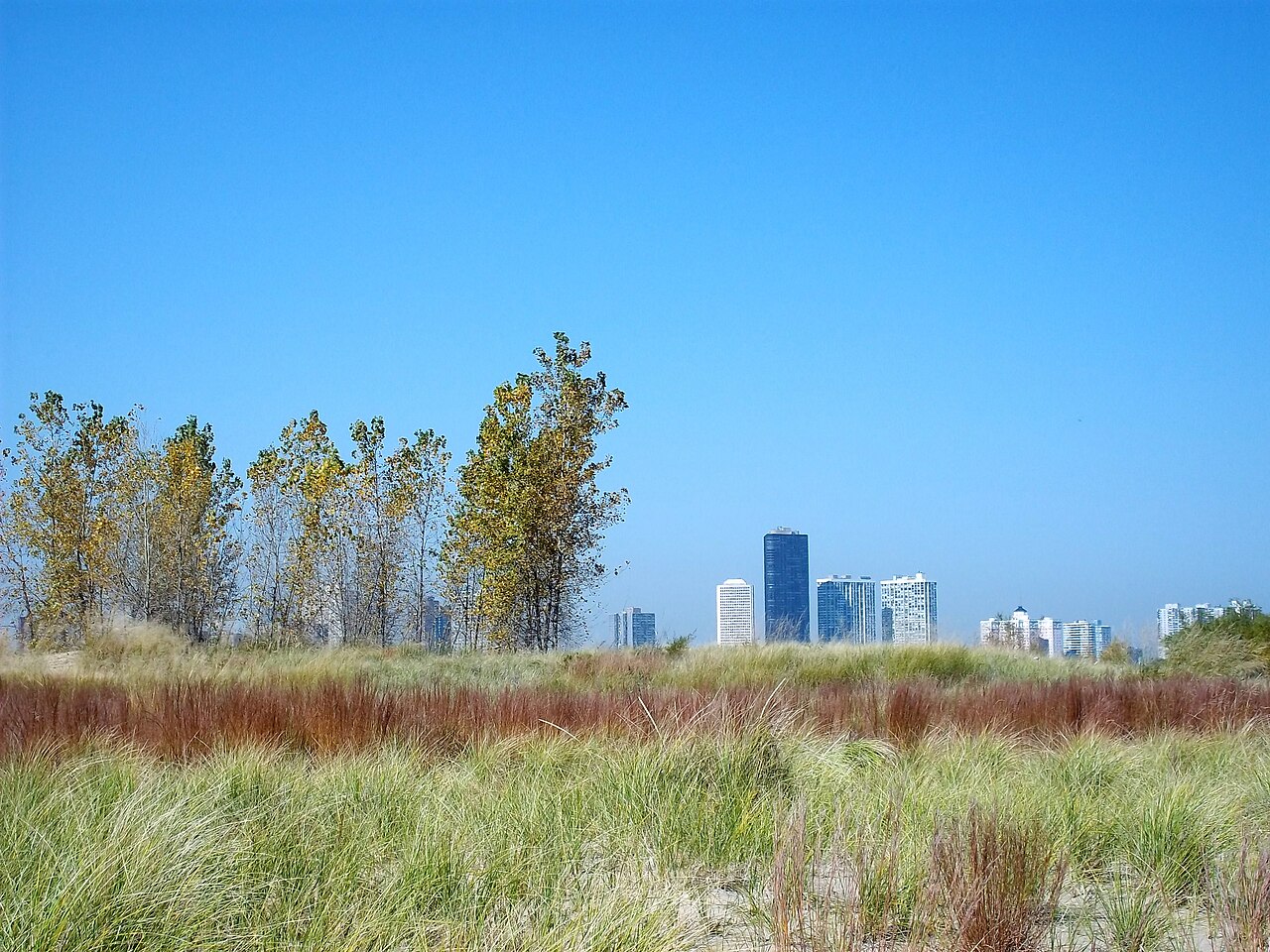
Uptown is one of Chicago's 77 officially designated community areas and occupies a stretch of the city's North Side. Its eastern edge meets Lake Michigan, while the northern border is Foster Avenue. The southern limits run near Montrose and Irving Park, and the western edge follows the Ravenswood and Clark corridors. As an urban neighborhood, Uptown blends dense residential blocks, commercial avenues and lakefront open space.
Image gallery
10 Images




History and development
From the late 19th century into the early 20th century Uptown grew rapidly as streetcar lines and the elevated railway made the lakeshore accessible. The neighborhood became known for its entertainment district: large movie palaces, ballrooms and jazz clubs drew crowds through the 1920s and beyond. Many of those venues—some restored, others awaiting renovation—reflect the neighborhood's period of civic and commercial prominence.
Landmarks and cultural life
Uptown hosts a concentration of historic performance spaces and leisure sites. Notable examples include the grand Uptown Theatre and storied music venues that recall the neighborhood's jazz and dance-hall past. Green spaces and beaches along the lake provide recreational access, and Graceland Cemetery is a significant cultural and architectural landscape in the area.
Transportation and urban fabric
The area is served by Chicago's rapid transit and surface transit network, with multiple elevated-train stops, surface buses and commuter-rail connections nearby. Major commercial corridors such as Wilson Avenue and Broadway support restaurants, shops and services that cater to both residents and visitors. Housing ranges from vintage apartment buildings to newer developments.
Boundaries and neighboring communities
Uptown is bordered to the north by Edgewater, to the west by Lincoln Square, and to the south by Lake View. The historic subdivision lines follow streets like Foster, Montrose and Irving Park; the name Irving Park appears in local boundary descriptions and planning documents. These adjacent neighborhoods share lakefront access and many transit links.
Present-day importance and notes
Today Uptown remains a diverse and dynamic part of Chicago: a mix of long-term residents, newcomers, cultural venues and neighborhood institutions. Preservation efforts and community planning seek to retain historic character while supporting economic activity and public amenities. For official planning and statistical references see the city's community area resources at Chicago community areas.
- Entertainment: historic theaters and music venues
- Recreation: lakefront beaches and parkland
- Heritage: Graceland Cemetery and early 20th‑century architecture
Related articles
Author
AlegsaOnline.com Uptown, Chicago — neighborhood overview and history Leandro Alegsa
URL: https://en.alegsaonline.com/art/103524
Sources
- cityofchicago.org : "Map of Uptown"