
Graceland Cemetery, Chicago: history, monuments, and notable burials
A 19th-century landscaped cemetery on Chicago's north side, Graceland Cemetery is noted for its park-like design, sculptural monuments by Lorado Taft and the graves of many prominent figures in the city's history.
Graceland Cemetery occupies roughly 121 acres on Chicago's north side and is a distinctive example of the 19th-century garden or rural cemetery movement, which combined burial ground functions with park-like landscaping. Established in 1860, the site was developed with winding drives, mature shade trees and open lawns intended to provide a serene setting for remembrance as well as informal public use. The cemetery lies within the Uptown area and is accessible by public transit; the nearest elevated rail station is the Sheridan stop on the Red Line, often cited as the most convenient access point (Sheridan stop, CTA "L").
Image gallery
5 Images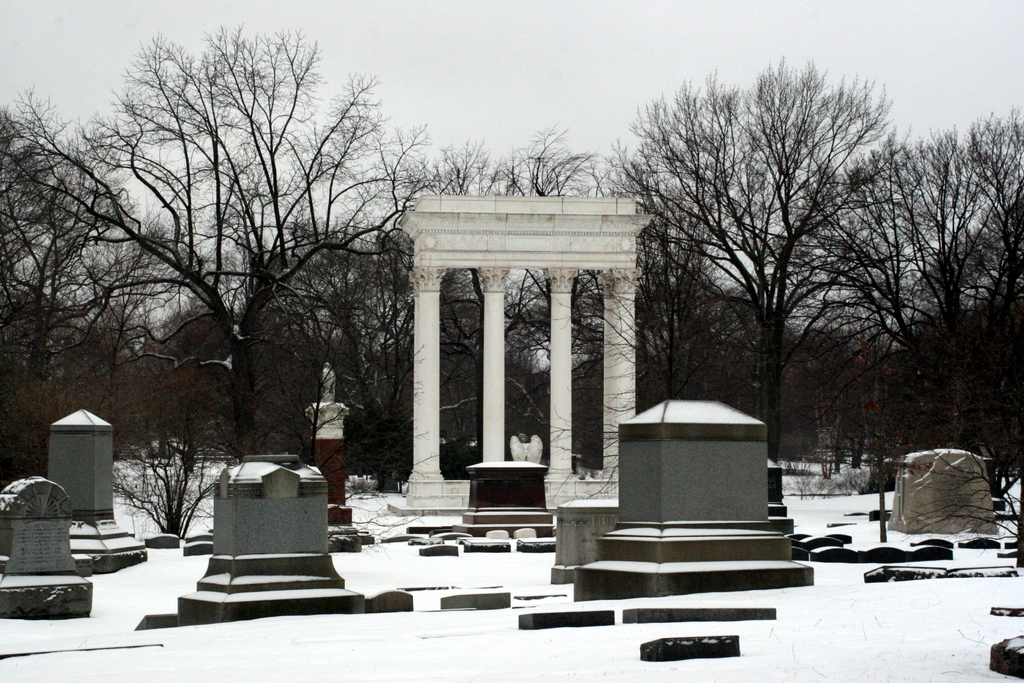

Landscape and design
Graceland's layout emphasizes landscape composition as much as individual monuments. The grounds include broad vistas framed by specimen trees, secluded groves and a network of drives and pathways that separate family lots and sculptural memorials. This approach reflects nineteenth-century ideas about cemeteries serving both as places of interment and as green refuges within growing industrial cities. The cemetery's mature plantings contribute to its seasonal character and support local wildlife, enhancing its role as an urban open space.
History and development
Founded in 1860, Graceland grew as Chicago expanded, attracting families prominent in business, politics, architecture and the arts. Over time the grounds were extended and many elaborate mausoleums and carved monuments were added. The cemetery documents shifts in funerary taste and memorial art across more than a century, from Victorian symbolism to twentieth-century modernist forms. It remains active as a burial place while also serving historical and cultural interests.
Art, architecture and monuments
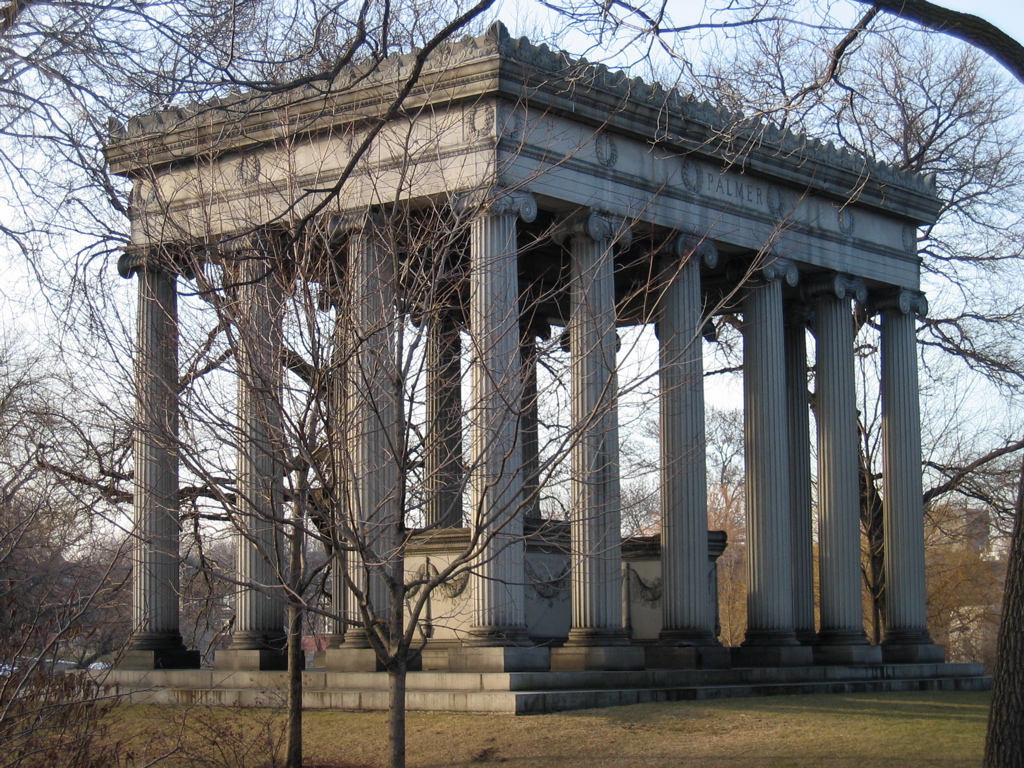
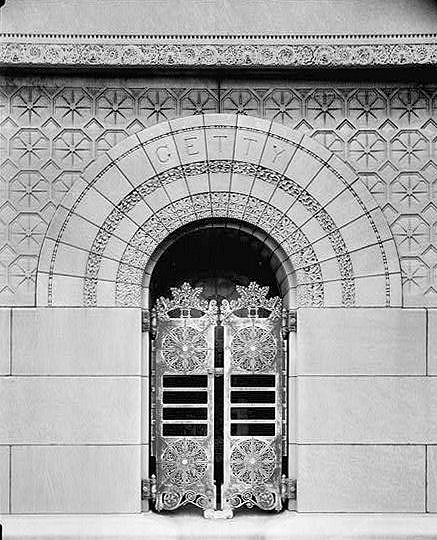
One of Graceland's distinguishing features is the prominence of public sculpture integrated into family lots and memorials. Sculptor Lorado Taft created two of the cemetery's best-known works: Eternal Silence, a contemplative, hooded figure commissioned for the Graves family plot, and The Crusader, a heroic, armour-clad figure that marks the Lawson lot. These works attract attention for their scale, craftsmanship and emotional presence. The cemetery also contains classical mausoleums, carved headstones and architectural memorials designed or commissioned by architects whose careers were important to the city.
Notable burials
- George Pullman — industrialist and designer of the Pullman sleeping car, a major figure in 19th-century manufacturing and urban development.
- Roger Ebert — nationally known film critic and author who chronicled cinema for decades.
- Ernie Banks — celebrated baseball player and longtime face of Chicago baseball.
- Oscar Stanton De Priest — politician and notable African American public official in early 20th-century national politics.
- Daniel Burnham — architect and urban planner associated with major city planning initiatives and civic architecture.
- Marshall Field — merchant and founder of the influential department store that bore his name.
- Melville Fuller — jurist who served as chief justice of the United States Supreme Court.
- Bruce Graham — architect known for major high-rise projects that shaped modern Chicago's skyline.
- Carter Harrison Sr. and Jr. — both served as mayors of Chicago during pivotal periods of the city's growth.
- Fazlur Khan — structural engineer recognized for innovations in high-rise structural systems.
- William Le Baron Jenney — architect often called a pioneer of the steel-framed commercial building and early skyscraper design.
- Cyrus McCormick — industrialist and inventor associated with agricultural machinery that influenced farming practices.
- Joseph Medill — newspaper publisher and civic leader active in the city's public affairs.
- Ludwig Mies van der Rohe — architect whose concise modernist work had enduring influence on twentieth-century architecture.
- Potter Palmer — businessman and real estate developer who contributed to the city's commercial growth.
- Louis Sullivan — architect celebrated for his role in developing an American architectural language for tall buildings.
Visiting, significance and preservation
Graceland is nonsectarian and is open to the public during posted hours; it continues to accept new interments in active plots. Visitors come for historical research, genealogical inquiry, artistic study and quiet reflection. Local preservation organizations and cemetery staff manage conservation of stonework, bronze, and landscape features, addressing challenges posed by weathering, aging materials and the need to maintain historic trees. Guided walks and educational programs are sometimes offered by local historical groups, highlighting the cemetery's architecture, sculpture and the biographies represented there.
As both a functioning cemetery and a cultural landscape, Graceland serves as an outdoor museum of Chicago's civic and cultural memory. Its combination of designed landscape, commemorative art and the graves of notable figures makes it a valuable resource for understanding the city's social and architectural history. For more information on particular plots, guided tours, or research assistance, consult local historical societies and the cemetery's own information resources.
Scholars, students and visitors interested in funerary art, urban history or landscape preservation will find Graceland Cemetery a concentrated record of changing tastes and civic identity in Chicago. The site's monuments and plantings invite contemplation of both personal histories and broader patterns of cultural development.
Related articles
Author
AlegsaOnline.com Graceland Cemetery, Chicago: history, monuments, and notable burials Leandro Alegsa
URL: https://en.alegsaonline.com/art/40050
Sources
- encyclopedia.chicagohistory.org : "Graceland Cemetery"