
Dining room: purpose, design, history, and social role
A room for consuming meals in homes and public buildings; covers layout, typical furniture, historical development, social functions, and design variations.
Overview
A dining room is a space primarily intended for eating meals. In many buildings it is placed close to the kitchen to facilitate meal service, but its exact location and size vary with house plan, culture and era. The room may be dedicated to formal meals or part of an open family area used every day.
Image gallery
10 Images
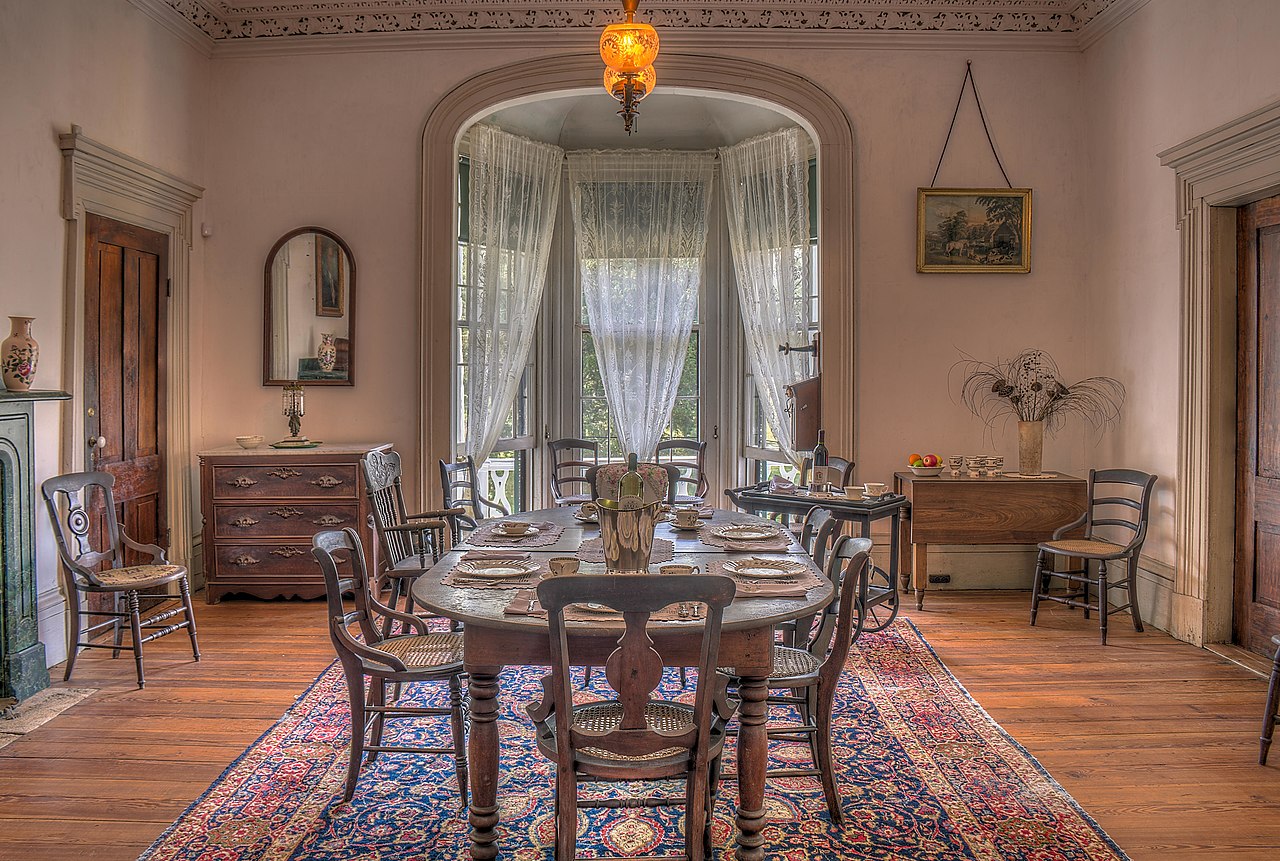


Typical features and furniture
A conventional dining room contains seating and a surface for food. Common elements include:
- Table: a central table in various shapes and sizes suited to the number of diners.
- Chairs and seating: a set of chairs, benches or upholstered seating arranged around the table.
- Storage and service pieces: sideboards, buffets, cabinets or a china hutch for dishes, linens and serving ware.
- Lighting and finishing: a focal light fixture, rug, curtains and decorative elements that establish atmosphere.
History and development
Spaces dedicated to communal eating have existed in many forms, from communal halls and banquet chambers to private family rooms. In Western domestic architecture the separate dining room became widespread from the early modern period onward as social customs emphasized formal entertaining and clearly defined domestic functions. In the 20th and 21st centuries, open-plan layouts and casual dining areas have reduced the dominance of a single formal dining room in many homes.
Uses, etiquette and social role
Dining rooms serve both practical and social functions. They are used for everyday family meals, holiday gatherings, formal dinners and meetings. Proper placement and presentation of dishes makes serving food efficient, and many cultural traditions dictate seating, serving order and table manners that the dining room helps frame.
Variations and design considerations
Not all dining spaces are standalone rooms. Variations include breakfast nooks, combined kitchen-dining areas, banquet halls in public buildings, and multiuse formal dining rooms. When planning a dining space, consider traffic flow to and from the kitchen, appropriate lighting, the scale of furniture relative to room size, and storage needs for tableware.
Practical tips and notable distinctions
When arranging a dining room, allow comfortable clearance around the table so chairs can be pulled out and people can move freely. The atmosphere can range from formal to casual depending on furniture style, lighting, and décor. Distinguish between a dining room (often set aside for meals) and a dining area (a zone within a larger room) when describing layouts or planning renovations.
See also
- Canteen
- Casino
- Mensa
- Trade fair
- Refectory
Related articles
Author
AlegsaOnline.com Dining room: purpose, design, history, and social role Leandro Alegsa
URL: https://en.alegsaonline.com/art/27488