
Harvard University: History, Structure, and Influence
Private Ivy League university founded in 1636 in Cambridge, Massachusetts. Overview of its campuses, academic divisions, historical issues, notable alumni, libraries, and cultural impact.
Harvard University is a private research university located in Cambridge, Massachusetts. Founded in 1636—formally chartered in 1636 and traditionally associated with the date September 8—it is the oldest institution of higher education in what became the United States. Harvard is one of the institutions commonly grouped in the Ivy League, a collection of private universities known for selective admissions and historic prominence. The university’s traditional color is crimson, a shade often described as a deep dark red.
Image gallery
10 Images


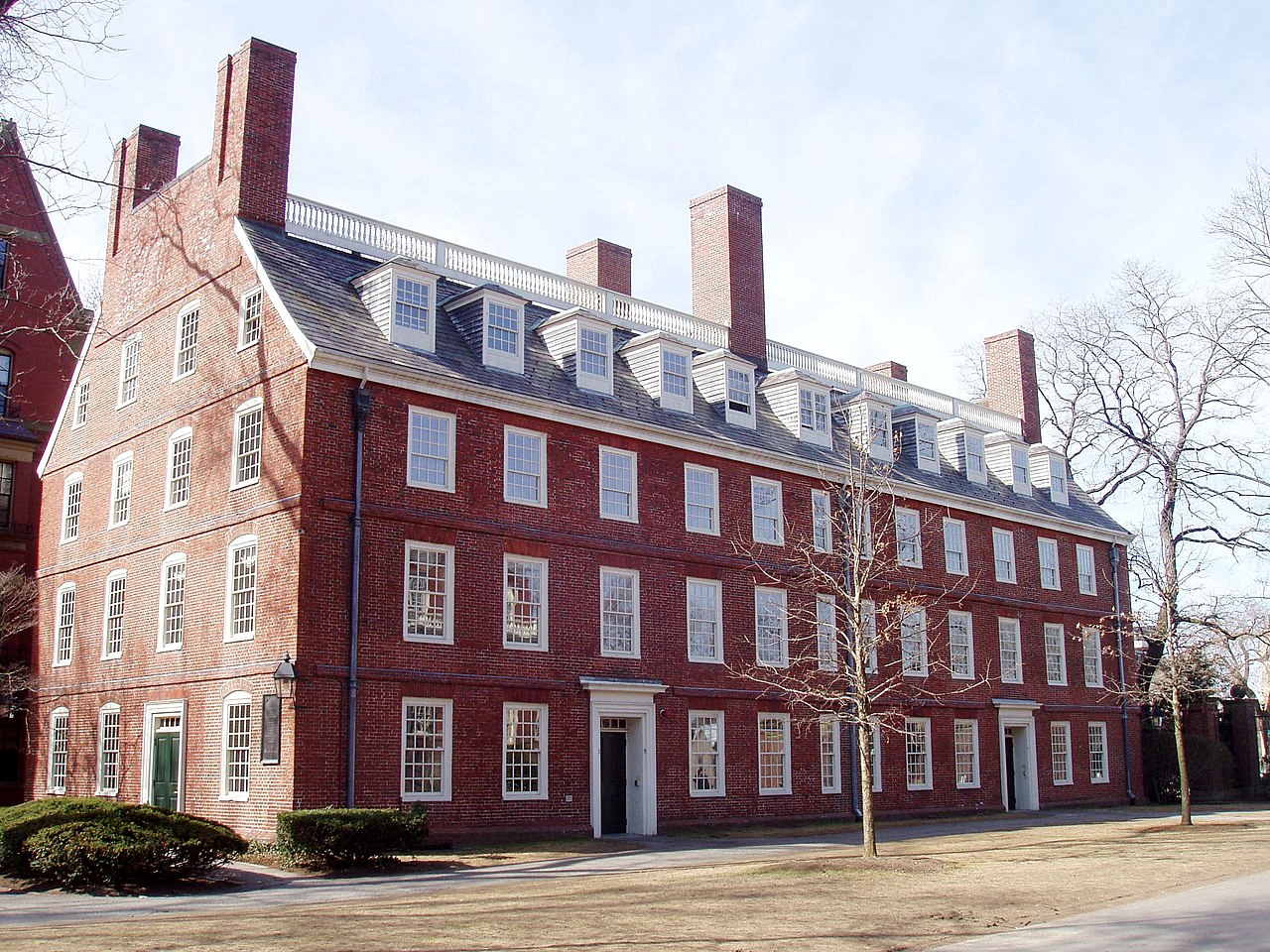


Campus and physical setting
The main campus sits along the banks of the Charles River, which provides both a scenic boundary and recreational opportunities; rowing teams regularly practice and compete on the river (rowing). Across the river are neighborhoods of Boston and the university operates additional facilities, research centers and professional schools in nearby Boston neighborhoods and the Allston area. Campus life includes athletic and recreation centers with facilities such as skating surfaces (skating rinks) and pools where students can swim.
Academic organization and resources
Harvard comprises a residential undergraduate college and multiple graduate and professional schools that award degrees in a broad range of fields: arts and sciences, business, law, medicine, public policy, education, design and divinity, among others. The university hosts an extensive library system anchored by Widener Library; collectively these collections rank among the world’s largest academic libraries and support teaching, scholarship and public programming. Harvard’s research enterprise spans basic science, applied engineering, social sciences and the humanities.
History and institutional reckoning
The university’s long history includes periods and practices now widely criticized. Scholars and institutional reports have documented Harvard’s early financial and social ties to slavery and the role of enslaved people on campus in colonial and early national periods. Later, activists and scholars drew attention to the institution’s financial connections to apartheid-era investment practices. In response, Harvard has supported historical research, published findings, and initiated a range of commemorative and remedial efforts to acknowledge and address these legacies.
Reputation, alumni, and culture
Harvard is regularly ranked among the most prestigious universities globally and exercises broad influence through its alumni, faculty and research. Graduates have gone on to leadership roles in government, business, law, science and the arts; historically, a notable number of U.S. presidents, Supreme Court justices and other national leaders attended or graduated from Harvard. The campus is known for long-standing traditions and rivalries, including athletics and debate, and for its close proximity to other major research institutions such as the Massachusetts Institute of Technology.
Distinctive features and public engagement
Beyond degree programs, Harvard maintains museums, research institutes and public programs that draw visitors and collaborators from around the world. The university holds an endowment among the largest of any higher education institution, providing financial support for scholarships, faculty positions and research, and contributing to its global reach. Its role as both an educational institution and a major cultural and economic presence in the Boston–Cambridge region makes Harvard a frequent subject of public discussion about higher education, equity and civic responsibility.
Further information and official resources
- Official Harvard University site
- Cambridge information
- Ivy League context
- Founding date reference
- Founding year reference
- Crimson color tradition
- Description of the color
- Historical scrutiny of investments
- Charles River and campus geography
- Rowing and athletics
- Boston connections
- Recreation facilities
- Swimming and student recreation
- Nearby institutions
- Notable alumni and graduates
Questions and answers
Q: What is the name of Harvard University's current president?
A: The current president of Harvard University is Lawrence Bacow.
Q: What color is associated with Harvard?
A: The school color for Harvard University is crimson, which is a dark red color.
Q: How did slaves contribute to the founding of Harvard?
A: Slaves were used to serve its leaders and students, and the merchants who used their money to start the school also used slaves. Additionally, “Harvard students slept in beds and ate meals prepared by slaves, and many grew up to be prominent slave-holders in early America."
Q: Where is Harvard located?
A: Harvard University is located in Cambridge, Massachusetts on the Charles River. It's close to Boston where some of its graduate schools are located.
Q: What facilities does Harvard have?
A: In addition to libraries like Widener Library, there are other facilities like skating rinks and the Malkin Athletic Center where students can swim and exercise.
Q: When was Harvard founded?
A: Harvard was founded on September 8th 1636 making it the oldest university in the United States.
Q: Who else is close by to Harvard?
A:The Massachusetts Institute of Technology (MIT)is another famous school that's close by to Harvard in Cambridge, Massachusetts.
Related articles
Author
AlegsaOnline.com Harvard University: History, Structure, and Influence Leandro Alegsa
URL: https://en.alegsaonline.com/art/42702
Sources
- hcs.harvard.edu : original motto is Veritas Christo et Ecclesiae ("Truth for Christ and the Church")
- etc.usf.edu : Harvard's original shield
- books.google.com : p. 586
- time.com : "Cambridge Birthday"
- news.harvard.edu : "Harvard Gazette: This Month in Harvard History"
- hmc.harvard.edu : "September 2011 Harvard Management Company Endowment Report"
- nacubo.org : "U.S. and Canadian Institutions Listed by Fiscal Year 2011 Endowment Market Value"
- provost.harvard.edu : Harvard University Fact Book
- provost.harvard.edu : "Faculties and Allied Institutions"