
Dessau: German city of Bauhaus, industrial heritage and Garden Realm
Dessau is a city in Saxony-Anhalt, Germany, known for the Bauhaus school, nearby Wörlitz landscape parks, its industrial history and the 2007 merger that created Dessau-Roßlau.
Overview
Dessau is a city in the central German state of Saxony-Anhalt within Germany. It sits on the banks of the Mulde River and occupies a position between several regional centres: Halle (Saale) lies roughly 40 km to the southwest, Leipzig about 50–55 km to the south, and Magdeburg nearly 50–55 km to the northwest. The town functions as a local administrative and cultural hub and is often mentioned for its modernist architecture and historical estates.

Image gallery
10 Images


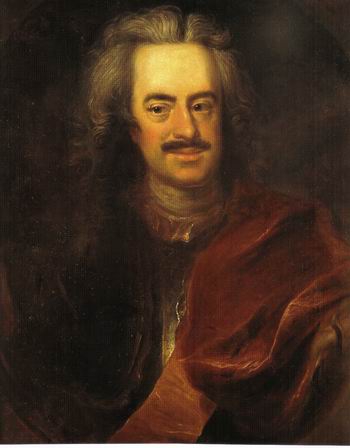


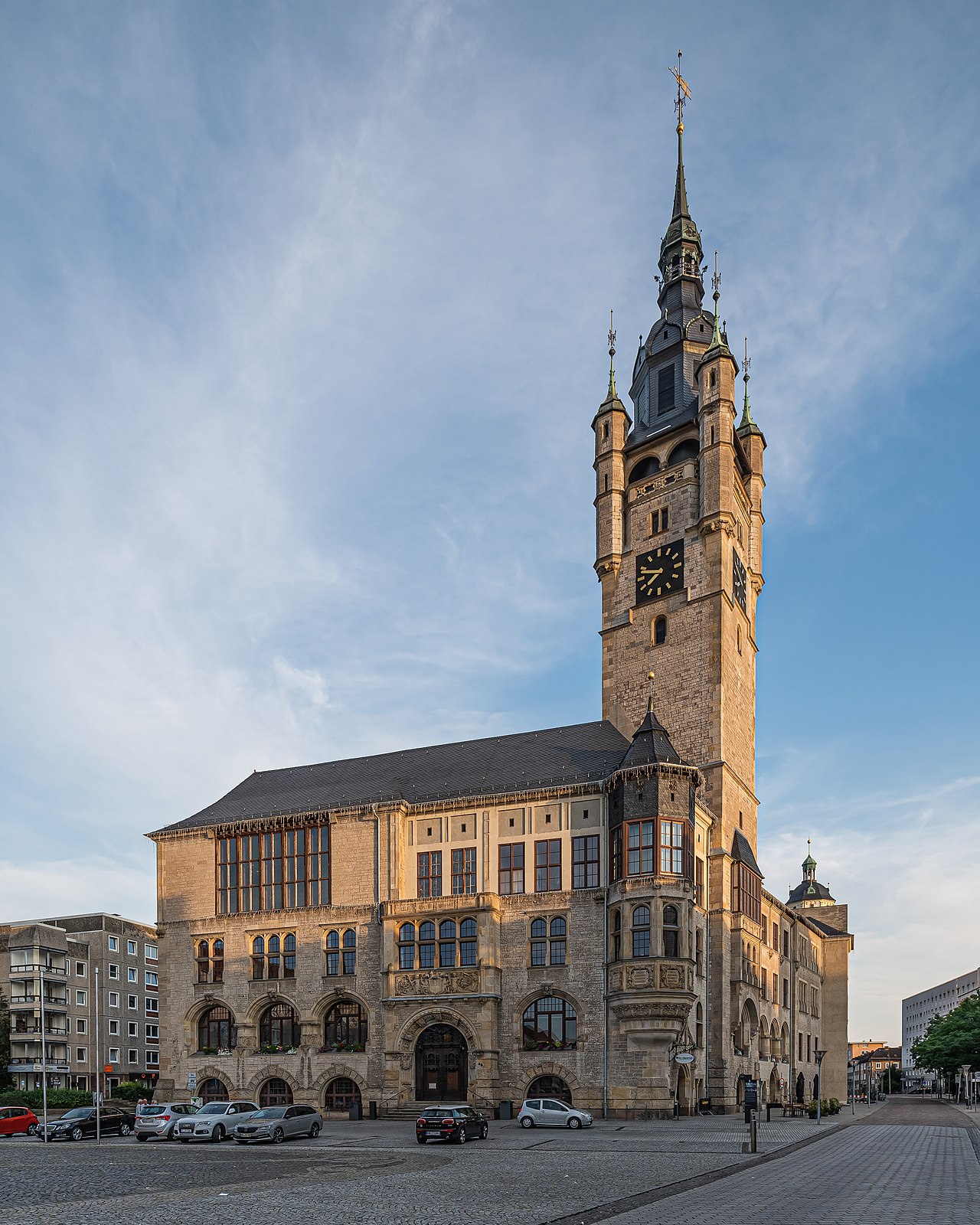


Historical development
Dessau's history stretches from a small medieval settlement to the residence of the princes and dukes of Anhalt. In the 19th century it industrialised and became important for mechanical engineering, chemical works and other manufacturing—sectors that shaped its urban growth. The city suffered significant damage during the Second World War and underwent extensive postwar rebuilding in the Soviet and later reunified German periods.
Bauhaus and modern architecture
One of Dessau's defining claims to international fame is its association with the Bauhaus school of design. Founded in Weimar, the school moved to Dessau in the mid-1920s under the leadership of Walter Gropius and produced some of the most influential modernist buildings and pedagogical experiments of the 20th century. The Bauhaus complex in Dessau remains a landmark of functionalist architecture and a focus for study, conservation and tourism. See the legacy of the Bauhaus and its earlier Weimar years in Weimar for context.

Landscape, culture and preservation
Beyond architecture, Dessau is linked with a notable cultural landscape: the nearby Wörlitz Garden Realm and related parks and estates that reflect Enlightenment landscape design and are protected for their historical importance. Museums, music institutions and festivals in and around the city highlight both regional traditions and modernist heritage, drawing visitors interested in design history and landscaped gardens.
Today and notable facts
In July 2007 the former municipality of Roßlau was merged with Dessau to create the administrative unit commonly called Dessau-Roßlau. The city today combines administrative services, light and advanced manufacturing, cultural institutions and educational centres. Highlights often noted by visitors and scholars include:
- its Bauhaus buildings and schools of design, preserved and studied internationally;
- the nearby landscape parks and estates that form a distinctive cultural region;
- a legacy of 19th- and 20th-century industry that influenced local architecture and urban layout.
For those researching the city, primary subjects to explore are its role in the development of modern architecture, the continuity of landscape preservation around Dessau, and the ways postwar reconstruction reshaped the urban fabric.
Questions and answers
Q: What is Dessau?
A: Dessau is a town and former municipality in Saxony-Anhalt, Germany.
Q: What are the larger cities near Dessau?
A: The larger cities near Dessau are Halle (Saale), Leipzig, and Magdeburg.
Q: What is Bauhaus?
A: Bauhaus is a college of architecture founded by Walter Gropius in Weimar. It translates to "Architecture House" or "Building House" related to the German verb for "build".
Q: When was Bauhaus founded?
A: Bauhaus was founded by Walter Gropius in Weimar.
Q: When did Dessau merge with Roßlau?
A: Dessau merged with Roßlau to form the new city of Dessa-Roßlau in July 2007.
Q: Where is the main building of Bauschaus located?
A: The main building of Bauschaus is located in Dessau.
Related articles
Author
AlegsaOnline.com Dessau: German city of Bauhaus, industrial heritage and Garden Realm Leandro Alegsa
URL: https://en.alegsaonline.com/art/26873
Sources
- statistik.sachsen-anhalt.de : "Bevölkerung der Gemeinden – Stand: 31.12.2015"