
Alfred Hermann Fried: Austrian Pacifist, Journalist, and Nobel Laureate
Biography and contributions of Alfred Hermann Fried (1864–1921), an Austrian-Jewish pacifist, cofounder of the German peace movement, Esperanto advocate, and 1911 Nobel Peace Prize recipient.
Overview
Alfred Hermann Fried (11 November 1864 – 5 May 1921) was an Austrian publicist, journalist and prominent pacifist. Born in Vienna, then part of Austria-Hungary, he became a leading voice for arbitration, international law and institutional efforts to prevent war. Fried combined activism, publishing and educational work to promote organized, peaceful solutions to international disputes.
Image gallery
3 Images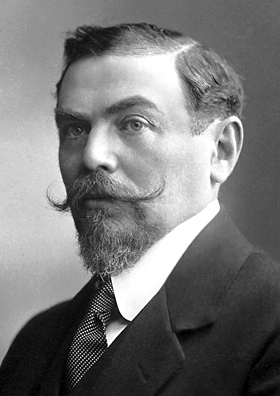

Early life and career
Fried left formal schooling as a teenager and trained in the bookselling trade. In 1883 he moved to Berlin, where he later opened his own bookshop and used the venue as a platform for ideas and networking. His background in books and periodicals shaped his approach: he believed information, public education and sustained debate were essential tools for social change.
Peace activism and organisations
In 1892 Fried was a co‑founder of the German Peace Society (Deutsche Friedensgesellschaft), and he was regarded as one of the architects of a modern international peace movement. He argued for arbitration of disputes, progressive limitations on armaments and the creation of permanent institutions to manage international affairs—principles that influenced later bodies such as the League of Nations and, after the Second World War, the United Nations. Fried’s work helped move pacifist thought from moral exhortation toward practical proposals for legal and organizational change.
Publishing, Esperanto and writings
Fried was active as an editor and author, using journals and books to spread pacifist ideas. He was also a committed supporter of Esperanto and wrote a textbook on the language to promote international communication as a foundation for mutual understanding. His publications combined historical analysis, policy proposals and appeals for civic education aimed at reducing the likelihood of armed conflict.
Recognition, wartime, and later life
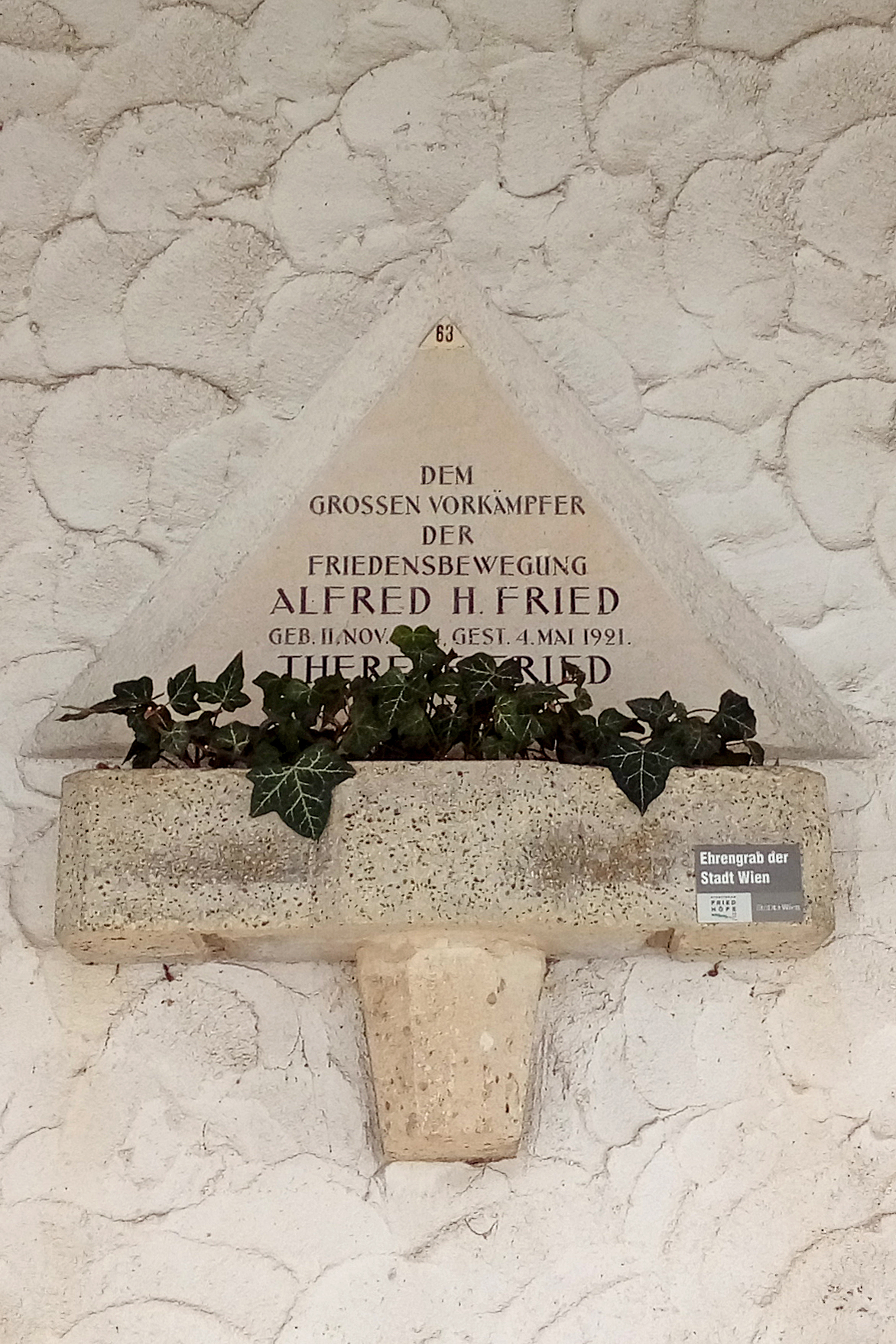
In 1911 Fried received the Nobel Peace Prize, which he shared with jurist Tobias Asser, in recognition of his sustained efforts to advance peace through diplomacy and public engagement. With the outbreak of the First World War, Fried spent much of the conflict in neutral Switzerland, continuing to write and advocate for reconciliation. He returned to his native city and died in Vienna in 1921.
Legacy and notable facts
- Role in organised pacifism: Fried helped professionalize the peace movement, emphasizing institutions, arbitration and international law.
- Communications and education: He used publishing and language advocacy, including Esperanto, to promote cross‑border understanding.
- International influence: His proposals contributed to debates that later informed multinational organisations dedicated to conflict prevention.
- Background: Fried was of Jewish heritage (Jewish) and is remembered both for his intellectual contributions and his practical organising within the German peace movement, including work associated with the Deutsche Friedensgesellschaft.
Fried’s life illustrates the interplay between publishing, language, and institutional advocacy in the early modern peace movement. His efforts to move peace activism toward concrete international mechanisms left a durable imprint on twentieth‑century ideas about how nations might resolve disputes without recourse to war.
Related articles
Author
AlegsaOnline.com Alfred Hermann Fried: Austrian Pacifist, Journalist, and Nobel Laureate Leandro Alegsa
URL: https://en.alegsaonline.com/art/2486
Sources
- nobel-winners.com : About Alfred Hermann Fried