
Alfred Hugenberg: German industrialist, media owner and conservative politician
Profile of Alfred Hugenberg (1865–1951), media magnate and leader of the German National People's Party, his role in Weimar politics and brief participation in Hitler's 1933 cabinet.
Alfred Wilhelm Franz Maria Hugenberg (1865–1951) was a prominent German businessman, media proprietor and conservative politician. He built a large press and film empire and led the German National People's Party (DNVP) during the late Weimar Republic. Hugenberg combined commercial influence with political ambition, and his decisions in the early 1930s helped reshape the conservative right in Germany.
Image gallery
10 Images



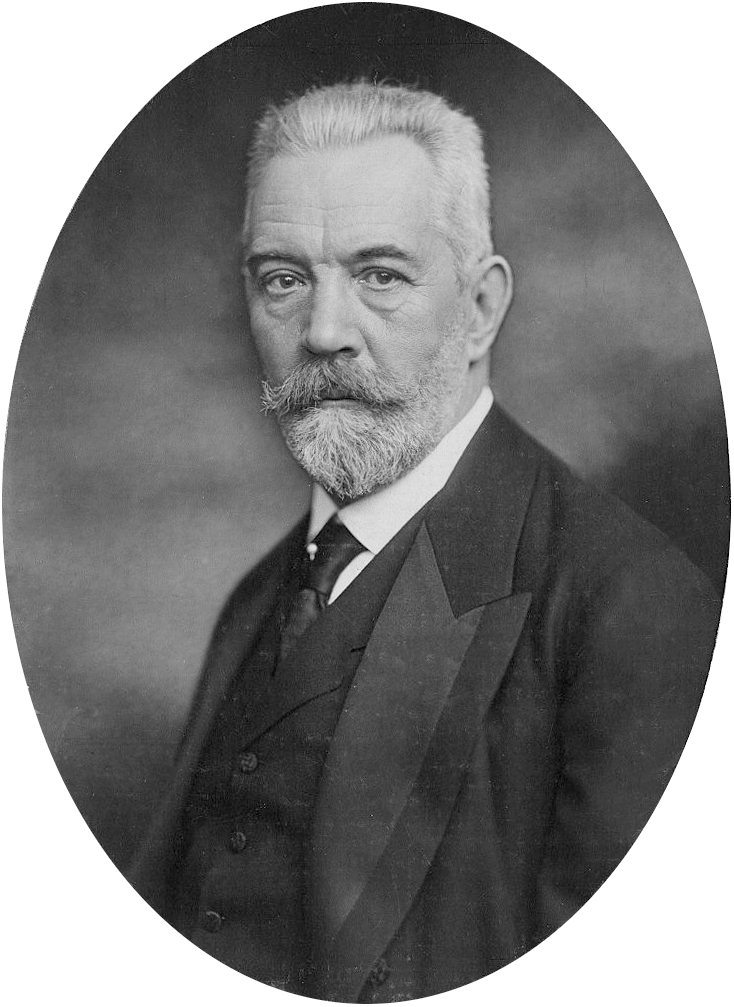

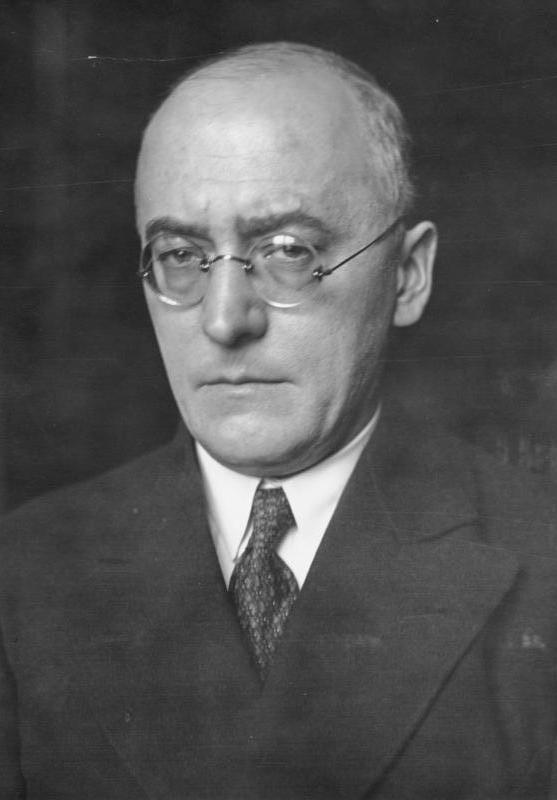
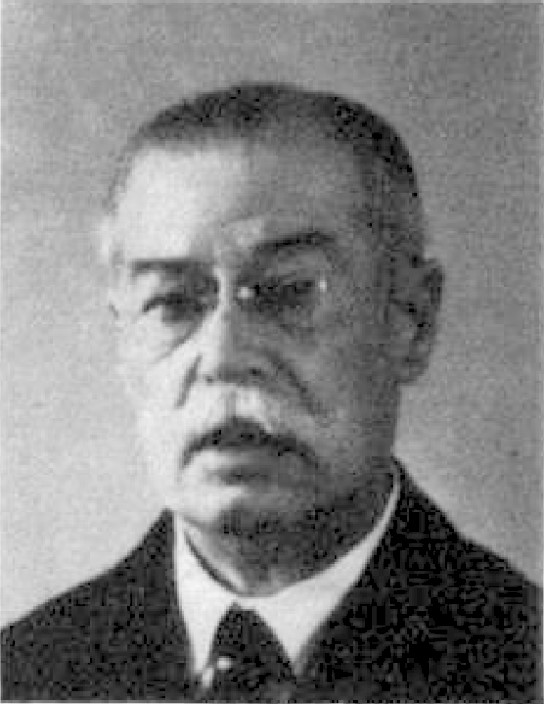
Background and business career
Hugenberg rose from an industrial and legal background to control newspapers, publishing houses and the UFA film company, creating a communications network that promoted nationalist and conservative views. His corporate activities gave him significant access to elites in industry and finance and a powerful platform in public debate. Through these holdings he influenced public opinion, electoral campaigns and the broader conservative movement.
Political role and ideology
As leader of the DNVP, Hugenberg represented monarchist, nationalist and anti-republican currents that opposed many aspects of Weimar democracy. He served for years in the Reichstag as a prominent right-wing parliamentary figure. His strategy mixed legal electoral politics with alliances among business leaders, conservative parties and reactionary factions.
Involvement with the Nazis and the 1933 cabinet
In the early 1930s Hugenberg and other conservative leaders concluded that an alliance with Adolf Hitler could restore order and protect economic interests. This calculation contributed to Hitler's appointment as chancellor in 1933. Hugenberg himself accepted a post in the new cabinet, often described as Reich Minister of Food and Agriculture or an equivalent portfolio, but his influence was short-lived: the Nazi movement consolidated power and sidelined many conservative partners, reducing Hugenberg's political role.
Later years and legacy
After 1933 Hugenberg's public influence declined. His media assets were pressured and incorporated into the Nazi information apparatus, and he retreated from frontline political leadership. Following World War II he lived in Lower Saxony until his death in 1951. Historians view Hugenberg as an example of conservative elites who miscalculated the dangers of empowering radical movements and who underestimated how quickly those movements would replace them.
Quick facts and further reading
- Born in 1865; active as a press and film magnate and as DNVP chairman.
- Longtime Reichstag member during the Weimar and early Nazi periods.
- Joined Hitler's cabinet in 1933 but was soon marginalized.
For concise source pointers and archival entries see: reference 1, reference 2, reference 3, reference 4, reference 5, reference 6, reference 7, reference 8, reference 9, reference 10, reference 11, reference 12.
Related articles
Author
AlegsaOnline.com Alfred Hugenberg: German industrialist, media owner and conservative politician Leandro Alegsa
URL: https://en.alegsaonline.com/art/2488