
Alfred Jodl — German Wehrmacht Operations Chief (1890–1946)
Senior German staff officer who served as Chief of the OKW Operations Staff during World War II; signed Germany's 1945 surrender and was tried and executed for war crimes at Nuremberg.
Overview
Alfred Josef Ferdinand Jodl (10 May 1890 – 16 October 1946) was a senior German staff officer who rose to become Chief of the Operations Staff of the Armed Forces High Command (Oberkommando der Wehrmacht, OKW). Born in Würzburg, he served through the two world wars and held one of the highest planning and coordination posts in the German armed forces. Near the end of hostilities he signed the German instrument of unconditional surrender, and after the war he was tried and convicted at the Nuremberg trials.
Image gallery
7 Images




Military career and responsibilities
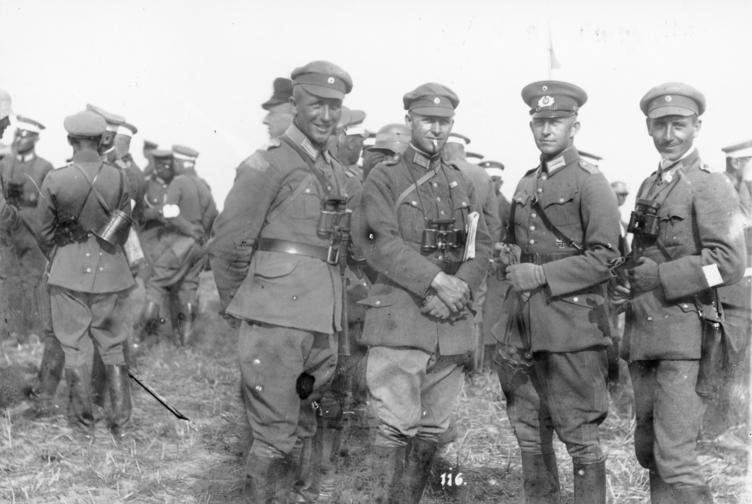
Jodl began his career in the Imperial German Army, served in World War I, and remained in the interwar Reichswehr as a professional staff officer. By the late 1930s and throughout World War II, he occupied a principal position within the OKW, responsible for operational planning, issuing directives, and coordinating the activities of different branches of the armed forces. His role was largely that of a high‑level planner and communications hub between political leaders and field commands during major campaigns.
Role in wartime decisions and orders
As a senior operations chief, Jodl was involved in drafting and transmitting orders that governed military conduct and campaign execution. Prosecutors at Nuremberg argued that his office participated in planning and sustaining aggressive military operations and that the OKW failed to prevent or to challenge policies that led to widespread violations of the laws of war. Supporters and some historians have emphasized his technical and staff duties, while critics point to the authority of his office and the consequences of the directives it issued.
Nuremberg trial, conviction and execution
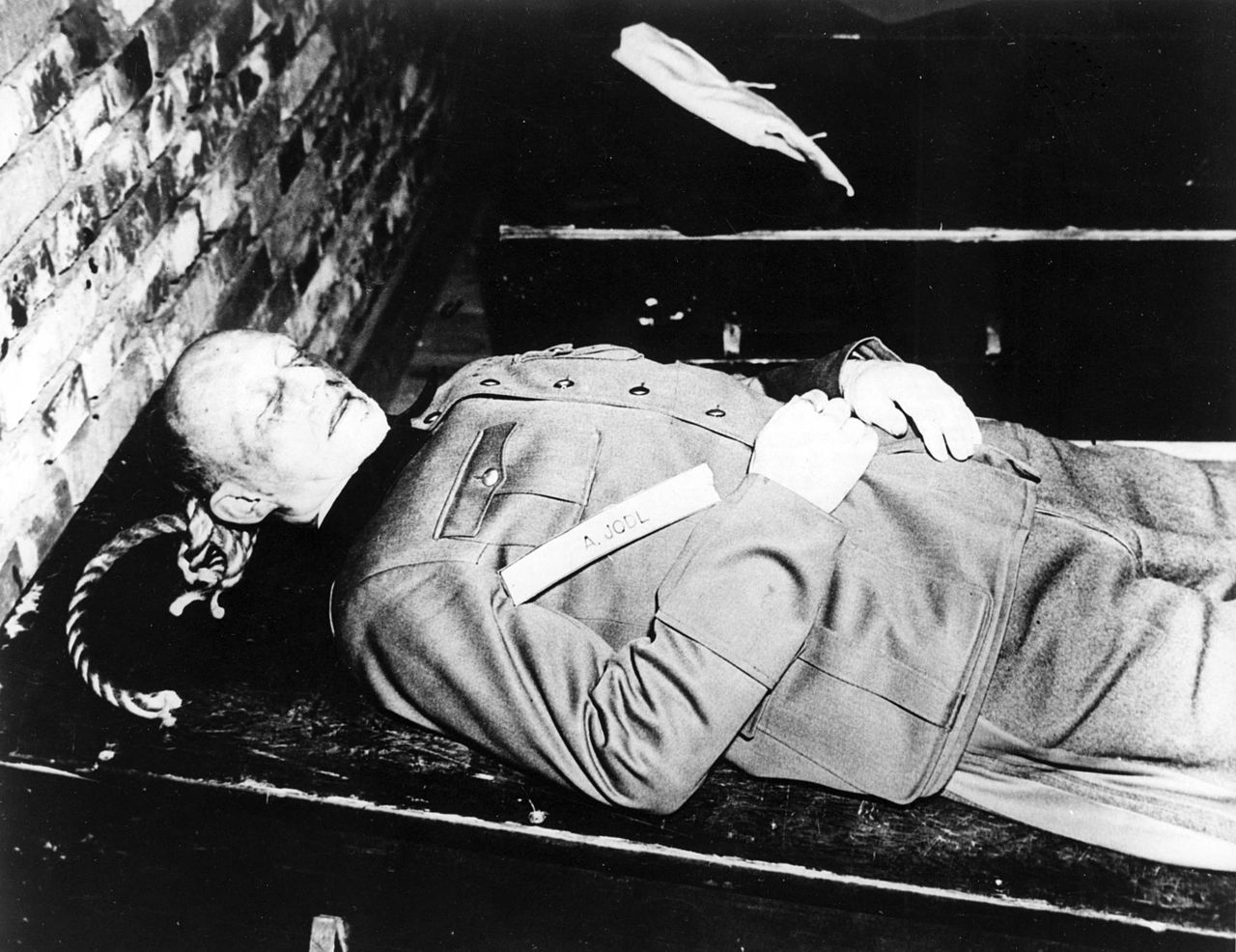
Apprehended at the end of the war, Jodl was indicted at the International Military Tribunal in Nuremberg on charges including crimes against peace and war crimes. He was found guilty, sentenced to death and executed by hanging in Nuremberg in October 1946. The trial established legal precedents about responsibility for planning and waging aggressive war and for participation in policies that resulted in atrocities.
Legacy and historical assessment
Jodl's life and trial are cited in discussions of military obedience, staff responsibility, and the distinction between following orders and bearing legal and moral responsibility for criminal policies. Debates about the extent of his personal culpability, the nature of the OKW, and postwar legal processes continue among historians and legal scholars. His case remains a central example in studies of civil‑military relations in Germany and the broader accountability of military leaders in modern conflict.
- Birthplace: Würzburg
- Position: Chief of the OKW Operations Staff (Wehrmacht)
- Historical context: Senior military staff officer during World War II
- Outcome: Convicted at Nuremberg and executed, 16 October 1946
Tags
Related articles
Author
AlegsaOnline.com Alfred Jodl — German Wehrmacht Operations Chief (1890–1946) Leandro Alegsa
URL: https://en.alegsaonline.com/art/2490