
League of Nations
Intergovernmental organization established after World War I to promote collective security, settle disputes and address social problems; active 1920–1946 and a direct precursor to the United Nations.
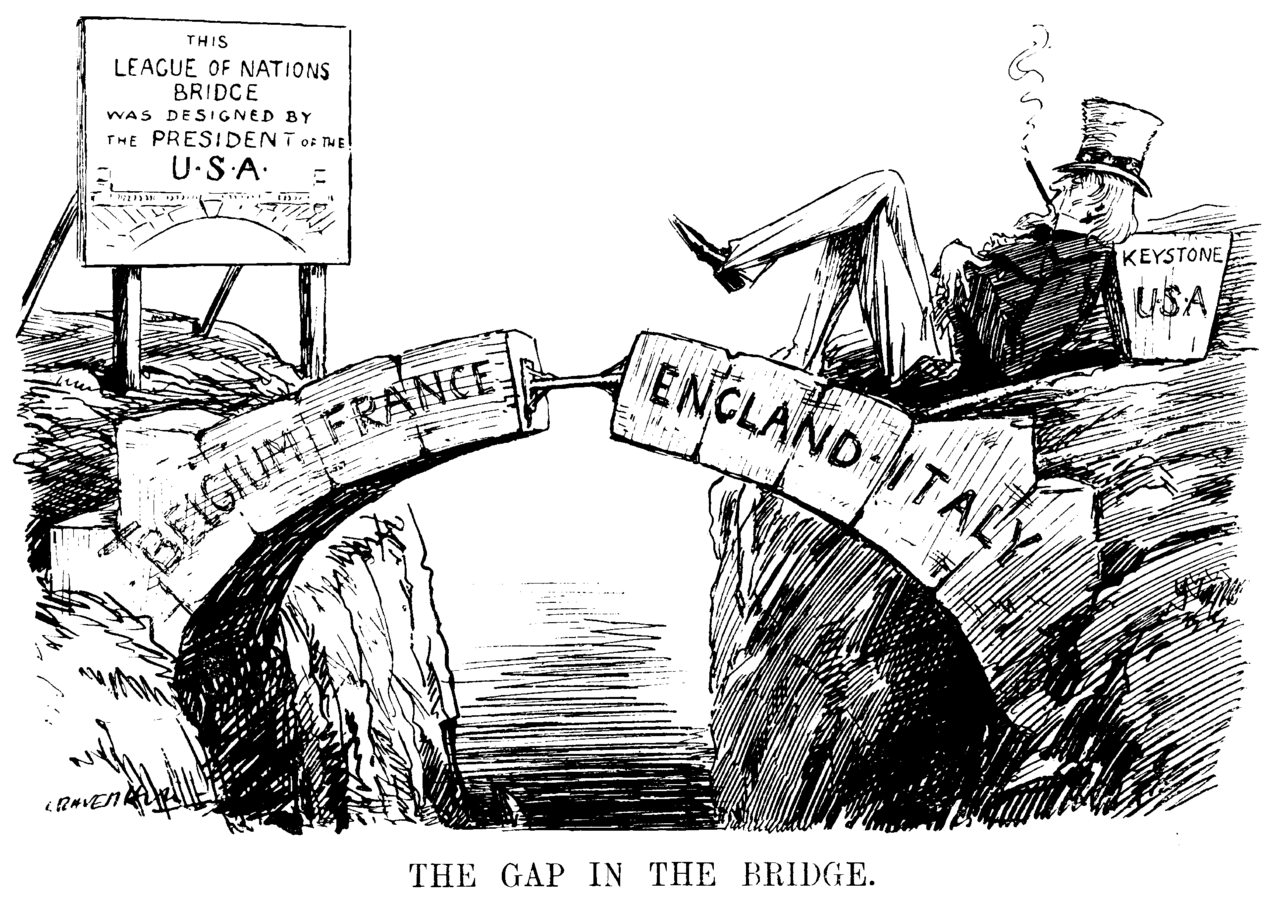
The League of Nations (French: Société des Nations) was an intergovernmental organization formed in the aftermath of World War I with the aim of preventing future large-scale war, promoting disarmament, and providing a forum for resolving international disputes. Formally established by the peace settlements and the Covenant of the League in 1920, it is best known today as a direct institutional predecessor of the modern United Nations. The idea of a supranational body to preserve peace gained prominence in proposals advanced by U.S. President Woodrow Wilson, although the United States did not join the League after the Senate refused ratification.
Image gallery
10 Images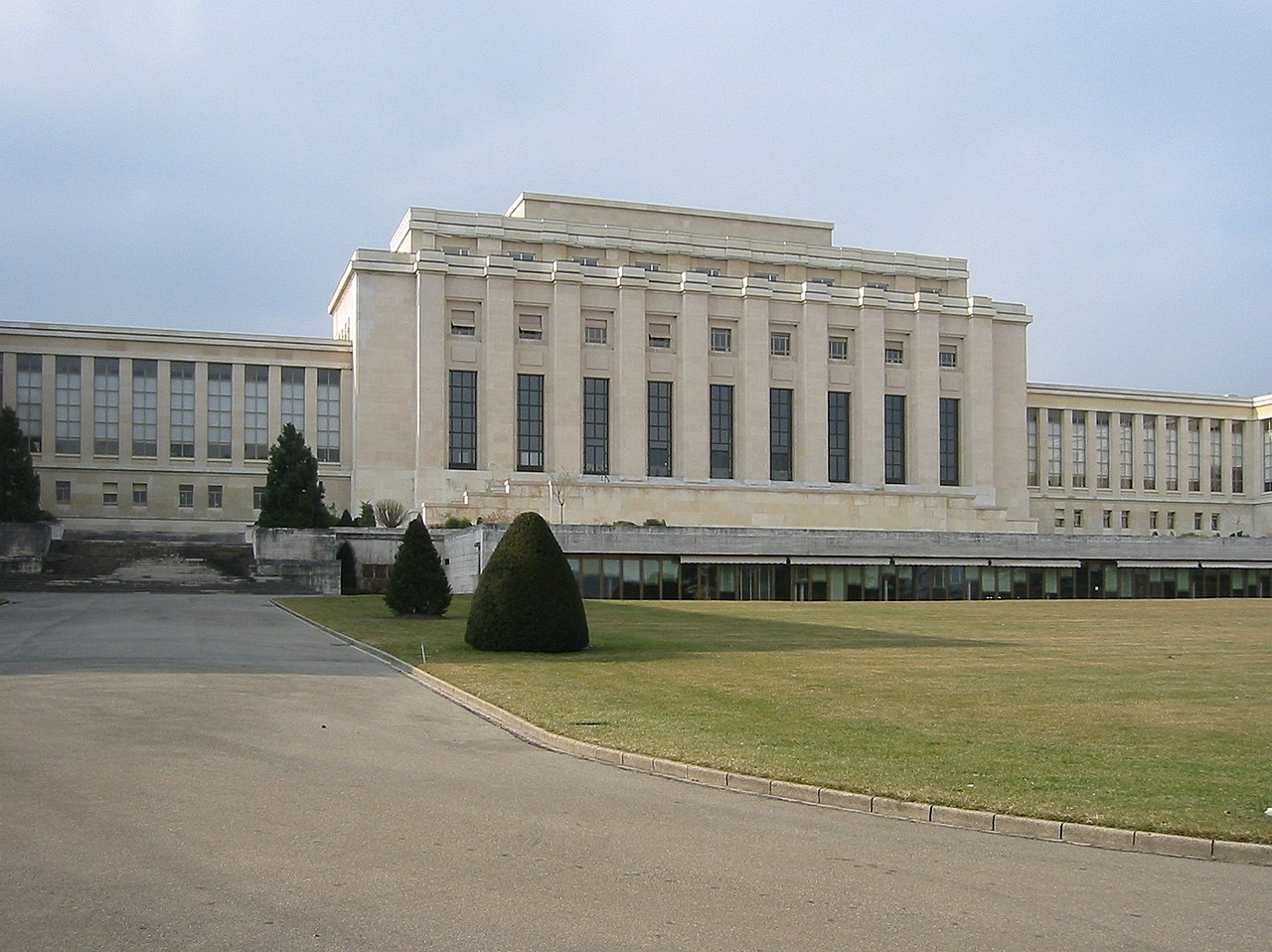




Founding principles and structure
The League’s Covenant set out principles of collective security, arbitration of disputes, and cooperation on economic, social and humanitarian issues. The principal organs included the Assembly, a Council that handled urgent political questions and great-power diplomacy (Council), and a Permanent Secretariat. Judicial functions were partly exercised through the Permanent Court of International Justice, an independent tribunal to which disputes could be referred. Specialized agencies and commissions addressed mandates, refugees, labor standards and public health.
Membership and the mandate system
Membership changed over time and did not include every power; some key states were outside the organization for periods, which weakened universal authority. The League supervised a mandate system intended to administer former colonies and territories taken from defeated empires in a manner described as preparing them for self-government. It also provided administrative support or oversight in territories under mandate and helped coordinate international technical assistance.
Activities and achievements
During the 1920s the League mediated a number of disputes and undertook practical humanitarian work. It helped settle or reduce tensions in several territorial questions, supervised mandates, and contributed to refugee relief, anti-slavery efforts and the promotion of labor rights. Its International Labour Organization worked closely with the League system to develop labor standards. The League’s health organization and other agencies carried out campaigns against infectious disease and helped establish international approaches to public health and welfare, influencing later international practice (public health).
Mechanisms for peace and their limits
The Covenant relied largely on collective action by members, including moral pressure and economic sanctions, rather than a standing armed force. Decisions often required broad agreement, and enforcement depended on member states’ willingness to act. These structural limits made the League slow to respond to crises and left it vulnerable to the competing interests of powerful states.
Major crises and failures
Notable cases that exposed the League’s limitations include the Japanese invasion of Manchuria in 1931 and the Italian invasion of Abyssinia (Ethiopia) in 1935. In the Manchuria crisis the League condemned aggression but was unable to compel withdrawal; Japan subsequently left the organization (Japan, Manchuria). When Italy used force against Abyssinia, the League imposed limited sanctions but could not prevent conquest, and Italy departed from the League (Italy). Such episodes illustrated the difficulty of upholding collective security when major powers were unwilling to subordinate national aims.
Assessment and legacy
Historians and policymakers view the League’s record as mixed. It demonstrated that international institutions could coordinate humanitarian relief, standardize technical and legal practices, and offer dispute-resolution mechanisms. At the same time, its inability to prevent major aggression in the 1930s showed the limits of multilateral diplomacy without effective enforcement and broad participation. Lessons from the League—stronger enforcement mechanisms, wider and more inclusive membership, and clearer institutional roles—shaped the design of the United Nations after World War II.
Dissolution and transfer to the United Nations
The League’s activities effectively ceased during the later 1930s as international tensions escalated. After World War II, in 1946, the inactive League was formally dissolved and its remaining assets and many of its technical functions and personnel were transferred to the newly established United Nations. The continuity of certain agencies and the lessons learned from the League’s experience contributed to the postwar international order.
Principal organs and topics handled
- Assembly – a deliberative body of all members for discussion of general policy.
- Council – a smaller body for urgent matters and great-power consultation (Council).
- Permanent Secretariat – administrative staff and experts who supported the League.
- Permanent Court of International Justice – an independent tribunal for legal disputes.
- Specialized agencies and committees – oversight of mandates, refugee assistance, labor standards and public health.
Key episodes often discussed in summaries of the League include the U.S. decision not to join after the Senate vote, the handling of the Manchurian crisis and the Abyssinian invasion, and successful arbitration and social work in the 1920s such as refugee aid and technical cooperation. For broader historical context, readers may consult introductory materials on the interwar period and on the creation of the United Nations. Additional background on the First World War that led to the League’s creation is available in general histories of World War I, while later developments that eclipsed the League culminated in World War II. Contemporary reference works and institutional histories also trace the roles played by figures such as Woodrow Wilson in advocating an international system, and the diplomatic interactions among major powers that shaped the League’s fate.
Questions and answers
Q: What was the League of Nations?
A: The League of Nations was an international organization founded in 1920 after World War I, with the goal of maintaining peace and preventing future wars. It had a Council of great powers and an Assembly of all its member countries.
Q: Who thought up the League of Nations?
A: The League of Nations was thought up by US President Woodrow Wilson during World War I.
Q: Why did the United States not join the League?
A: After a vote, the US Senate refused to join the League, which contributed to its downfall.
Q: What were some flaws in the structure of the League?
A: One flaw in the structure of the League was that it did not have any power to enforce its rules, and another flaw was that it wasn't representative enough since it never had more than 65 members, and interests from great powers often outweighed those from weaker members. Additionally, it had no troops or military force and decisions were slow to be made.
Q: How did other countries respond when they were condemned by the League?
A: When Japan invaded Manchuria (North-eastern China) in 1931 and Italy invaded Abyssinia in 1935, both countries left or ignored condemnations from the league instead of complying with them.
Q: Why did operations for the league stop in 1939?
A: Operations for The league stopped in 1939 because it was seen as weak and powerless after these disasters occurred without consequence for either country involved.
Q: What replaced The league Of nations when it ended formally In 1946? A:The inactive League Of nations Was replaced By The United Nations In 1946 , Which still Does many Of The same Things That The league Of nations Did .
Related articles
Author
AlegsaOnline.com League of Nations Leandro Alegsa
URL: https://en.alegsaonline.com/art/56772