
Alfred Hitchcock: Life, Style, and Influence on Cinema
Overview of Sir Alfred Hitchcock (1899–1980), British-born director famed for suspense and psychological thrillers, his methods, major films, honors and enduring influence on film and television.
Overview
Sir Alfred Joseph Hitchcock (13 August 1899 – 29 April 1980) was a British-born film director and producer who became one of the most influential figures in 20th-century cinema. Best known for expertly crafted suspense and psychological storytelling, Hitchcock built a career that bridged silent and sound film eras and later worked extensively in Hollywood. For a concise life summary consult a biography or wider filmography.
Image gallery
10 Images


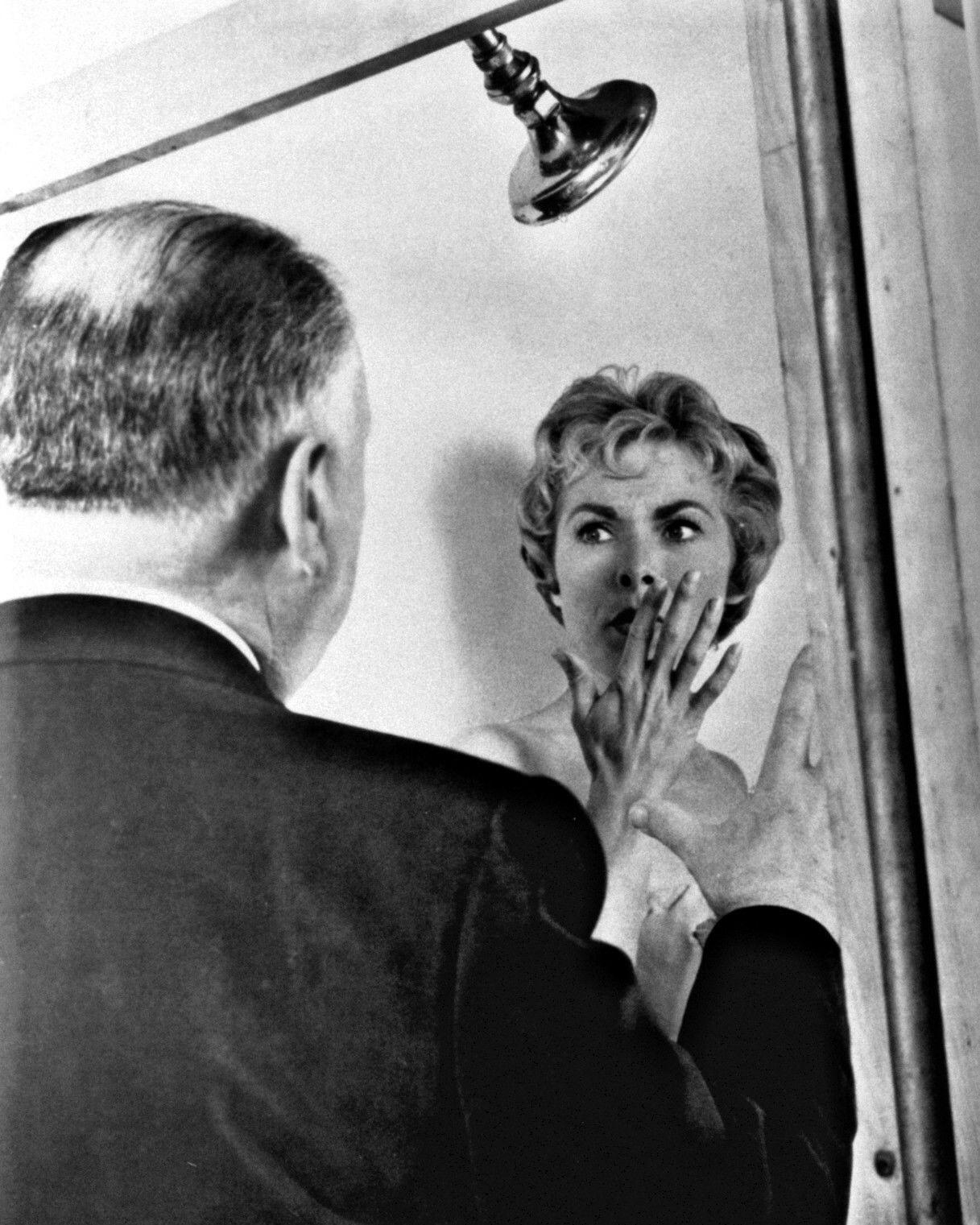


Characteristics and Style
Hitchcock's films are often identified by recurring techniques and themes: meticulous storyboarding, use of camera movement to convey a character's point of view, careful control of pacing to build tension, and a fascination with guilt, mistaken identity and voyeurism. He popularized the term "MacGuffin" for a plot device that motivates characters but is itself of little consequence. His directorial fingerprints include brief onscreen cameos and collaborations with composers to shape mood.
Career and Major Works
Beginning in British cinema during the 1920s, Hitchcock moved to Hollywood and directed a string of well-known films that continue to be studied and enjoyed. Notable titles include:
- Vertigo (1958) — frequently cited in polls of greatest films.
- Psycho (1960) — a landmark in suspense and shock editing.
- Rear Window (1954) — a study of observation and morality.
- The Birds (1963) and North by Northwest (1959).
These works display his attention to visual storytelling, economy of dialogue and an ability to turn ordinary settings into sources of dread.
Television, Collaboration and Technique
Hitchcock extended his reach through television with the anthology series Alfred Hitchcock Presents, introducing audiences to short suspenseful stories and to his public persona. He worked repeatedly with actors, writers and composers—most famously Bernard Herrmann—shaping mood through music and editing. His methodical pre-production planning, often using detailed storyboards, encouraged a cinematic clarity that directors and scholars continue to study.
Honors, Distinctions and Legacy
Hitchcock was knighted in 1980 and remains a foundational figure in film studies. He later became an American citizen; for more on that period see naturalization and related records. While he never won a competitive Academy Award for directing, he was honored with the Irving G. Thalberg Memorial Award—recognition of his body of work and influence—details of awards appear in many awards summaries.
Why He Matters
Beyond individual titles, Hitchcock's influence lies in his approach to cinematic suspense, narrative economy and visual storytelling. "Hitchcockian" is now a broad adjective describing works that employ psychological tension, moral ambiguity and careful formal control. His films continue to be restored, screened in retrospectives and taught as models of craft and audience manipulation.
Questions and answers
Q: Who was Alfred Hitchcock?
A: Alfred Hitchcock was a British movie director who later became an American citizen, but still kept his British citizenship.
Q: What kind of movies did Alfred Hitchcock mostly make?
A: Alfred Hitchcock mostly made mystery and suspense movies.
Q: Did Alfred Hitchcock ever win an Academy Award?
A: No, despite having a successful career, Alfred Hitchcock never won an Academy Award.
Q: When was Alfred Hitchcock born and when did he die?
A: Alfred Hitchcock was born on August 13th, 1899, and he died on April 29th, 1980.
Q: How did Alfred Hitchcock obtain American citizenship while still keeping his British citizenship?
A: It is not clear how Alfred Hitchcock kept his British citizenship while obtaining American citizenship.
Q: What does the abbreviation KBE after Alfred Hitchcock's name stand for?
A: The abbreviation KBE after Alfred Hitchcock's name stands for Knight Commander of the Most Excellent Order of the British Empire.
Q: What was Alfred Hitchcock's specialty when it came to movie genres?
A: Alfred Hitchcock's specialty when it came to movie genres was mystery and suspense.
Related articles
Author
AlegsaOnline.com Alfred Hitchcock: Life, Style, and Influence on Cinema Leandro Alegsa
URL: https://en.alegsaonline.com/art/2487
Sources
- imdb.com : Alfred Hitchcock
- mysterynet.com : Alfred Hitchcock Anecdotes and Fun Facts
- theguardian.com : "Unseen Alfred Hitchcock Holocaust documentary to be released"
- georgiabulletin.org : "Hitchcock's faith deeper subtext in his 'scary' films"