
Cymbopogon (lemongrass): overview, characteristics, uses and notable species
Cymbopogon, commonly called lemongrass or citronella grass, is a genus of aromatic perennial grasses used in cooking, traditional medicine, and essential-oil production across tropical regions.
Cymbopogon is a genus of aromatic, tall perennial grasses commonly known as lemongrass, citronella grass, or barbed wire grass. Botanists recognize roughly 55–70 species, many of which occur across Asia, Africa and Australia. These grasses are valued for their strong lemon-like scent, which comes from volatile oils produced in leaf tissues.
Image gallery
8 Images


Physical characteristics
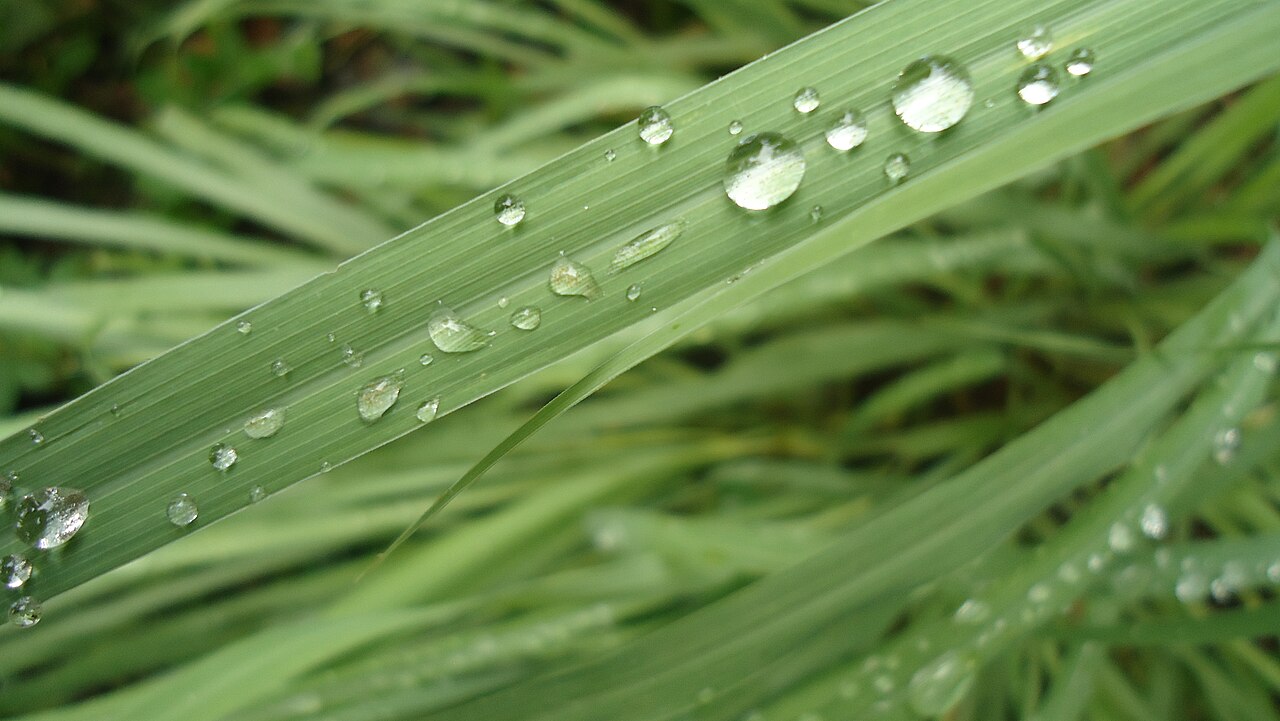
Plants in this genus form clumps of long, narrow leaves with sharp edges and fibrous bases. Stems are erect and can reach one to several meters in height, depending on species and growing conditions. The oil-bearing tissues give the foliage its characteristic citrus aroma. Flowers appear as spikelets in loose panicles and are not the primary commercial part of the plant.
History and distribution
Members of Cymbopogon have a long history of use in the regions where they grow wild or are cultivated. They have been used traditionally for flavoring, medicinal teas, and as fumigants. The genus spread beyond its native range through trade and cultivation; today it is grown widely in tropical and subtropical gardens and farms.
Uses and economic importance
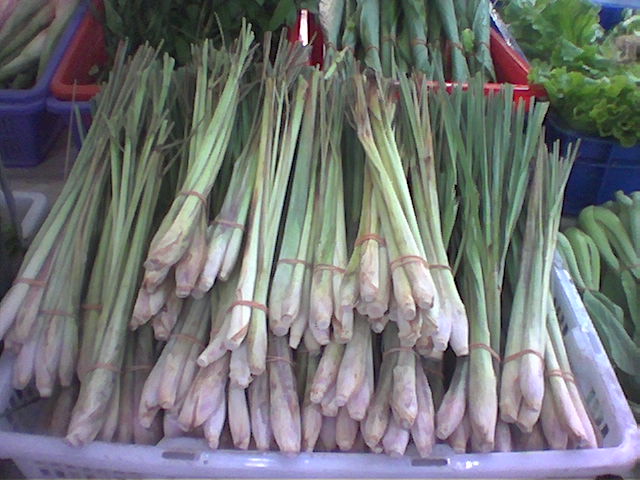
- Culinary: Fresh leaves and stalks flavor soups, teas and sauces in Southeast Asian and Caribbean cuisines.
- Essential oils: Distilled oils (lemongrass, citronella) are used in perfumery, aromatherapy and cleaning products.
- Insect control: Citronella oil from certain species is a common ingredient in repellents and candles.
- Traditional remedies: Infusions and poultices have been used locally for digestive or topical uses.
Commercial production typically focuses on leaf harvests and steam distillation for oil extraction. Cultural practices emphasize warm, well-drained soils and regular division or propagation from slips for consistent stands.
Notable species and distinctions
Several species are prominent in cultivation: Cymbopogon citratus (often called West Indian lemongrass) is popular in cooking; C. nardus and C. winterianus are commonly grown for citronella oil. Although many species smell similar, oil composition and uses differ by species and variety. For further botanical or horticultural details see introductions and species lists at sources such as reference pages and regional floras covering distribution.
Related articles
Author
AlegsaOnline.com Cymbopogon (lemongrass): overview, characteristics, uses and notable species Leandro Alegsa
URL: https://en.alegsaonline.com/art/24900