
Cymbidium (boat orchids) — description, cultivation and uses
Cymbidium is a genus of orchids native to Asia and Australia, known for long-lasting, showy flowers and pseudobulbs. About fifty species and many hybrids are grown for floristry and cool-climate gardens.
Overview
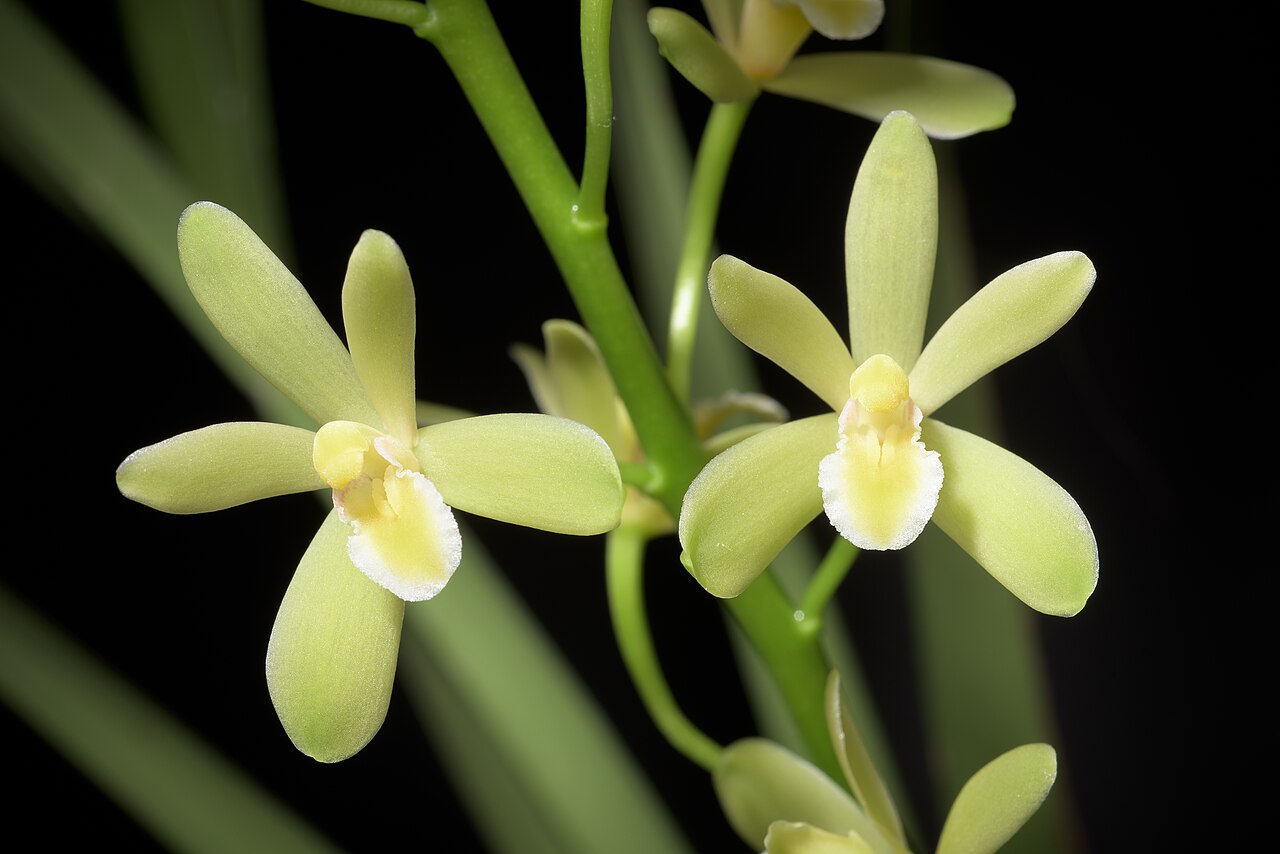
Cymbidium, commonly called boat orchids, is a genus of evergreen orchids native to South, East and Southeast Asia and parts of Australia. The group comprises roughly fifty wild species and a very large number of horticultural hybrids. Cymbidiums are prized for their showy, often waxy flowers and relatively long vase life, which has made them important in floristry and ornamental horticulture.
Image gallery
10 Images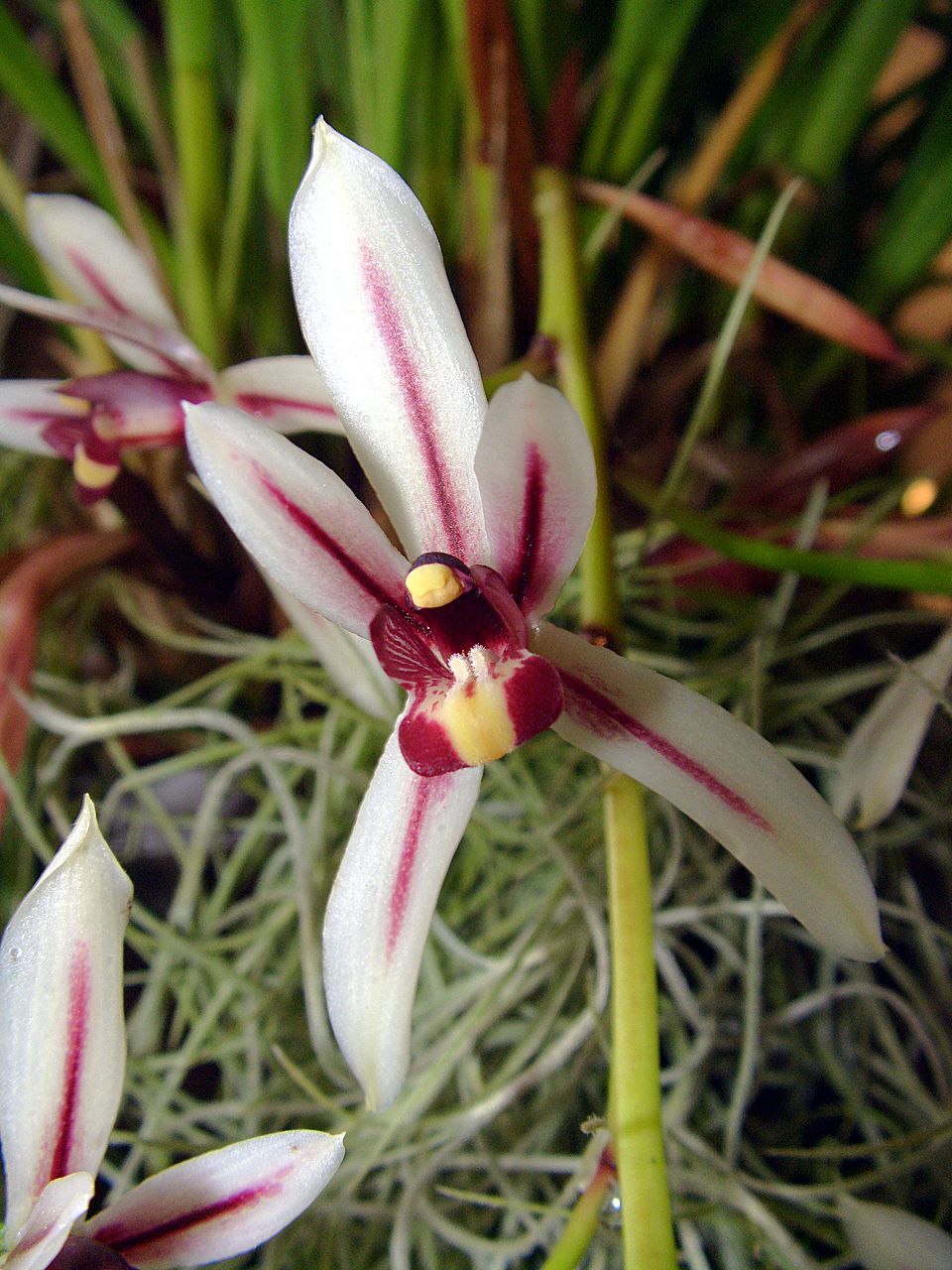




Characteristics and growth habit
Plants typically form elongated pseudobulbs that produce several long, strap-like leaves. Inflorescences emerge from the base of a pseudobulb and bear multiple flowers along an arching stem. Flower size, shape and color vary widely between species and hybrids, ranging from delicate small blooms to large, dramatic flowers in shades of white, yellow, green, pink, red and brown.
Habitat, distribution and history
Most cymbidiums grow in montane forests where they may be epiphytic (on trees), lithophytic (on rocks) or terrestrial. Many species occupy cooler elevations and experience distinct day–night temperature differences, a factor that influences flowering. Cultivation in China and elsewhere dates back centuries; European interest accelerated in the 19th century, leading to extensive hybridization.
Cultivation and care
Cymbidiums prefer bright light, good air movement and cool to intermediate temperatures, especially cooler nights to stimulate blooms. They are commonly grown in coarse, free-draining media such as bark or charcoal. Regular, balanced fertilization and a dryish rest after flowering help maintain vigor. Many cymbidiums are more cold-tolerant than tropical orchids and can be grown outdoors in mild temperate regions.
Uses, propagation and pests
Strong floral stems and long-lasting blooms make cymbidiums popular as cut flowers and in corsages. Propagation is usually by division of mature clumps; sexual propagation by seed requires laboratory sterile culture. Common problems include root rot in poorly drained media, scale insects, mealybugs and fungal leaf spots.
Notable distinctions
- Cymbidiums differ from Phalaenopsis and Cattleya in having pseudobulbs and more numerous flowers per inflorescence.
- They tolerate cooler conditions better than many orchids, which broadens where they can be grown.
- Extensive hybrid breeding has created groups for large-flowered displays, intermediate plants and compact or miniature types.
Related articles
Author
AlegsaOnline.com Cymbidium (boat orchids) — description, cultivation and uses Leandro Alegsa
URL: https://en.alegsaonline.com/art/24899